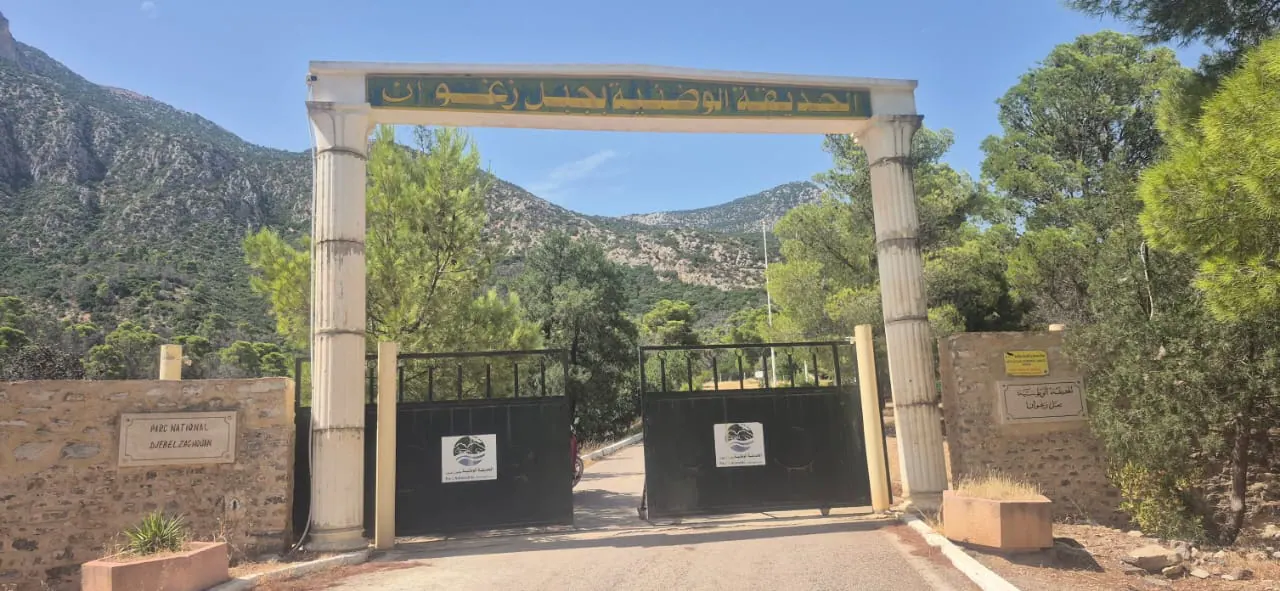
Tunisia's Zghwan governorate is home to a diverse range of natural features, including mountains, plains, plateaus, forests, and water sources. The region also boasts a rich cultural and archaeological heritage, shaped by the various civilizations that have inhabited the area throughout history. These attributes make Zghwan an attractive destination for domestic and international tourism. However, despite its potential, the region faces significant challenges in developing its tourism sector.
According to Salih Qassam, the regional tourism delegate for southern Tunisia, Zghwan has a number of existing tourism infrastructure, including two rural accommodations, a family-run hospitality service, and a hotel unit under construction. Additionally, a wellness center and a closed tourist residence are awaiting approval to reopen. Qassam highlights the need for new projects to boost the sector, with several applications for new rural accommodations and tourist facilities currently being processed.
One of the main obstacles to developing tourism in Zghwan is the lack of clarity around regulations and licensing procedures. Several investors have reported difficulties in obtaining the necessary permits and approvals to launch their projects. For example, a rural accommodation owner in Bouashir reported being unable to operate his business since 2021 due to delays in obtaining a license. Similarly, a motel owner in Sidi Medin expressed frustration over bureaucratic hurdles that have prevented him from opening his establishment.
Buthaina Al Louz, the regional delegate for traditional industries, emphasized the importance of traditional crafts in promoting tourism in Zghwan. She noted that the region is known for its internal tourism and that the authorities are working to organize local, regional, and national events to attract visitors. A new craft village is being developed, which will feature various traditional industries and provide opportunities for young people and artisans.
Mohamed Khamsi, president of the Zghwan Environment Association, believes that the region has made significant progress in developing alternative tourism, particularly in adventure sports. However, he notes that the daily expenditure of tourists in the region remains low compared to coastal tourist destinations. Khamsi suggests that the authorities adopt modern approaches and international standards to improve the sector, including training for mountain guides.
The development of tourism in Zghwan is also hindered by administrative, financial, and legislative challenges. Investors and stakeholders have called for greater support and coordination from the authorities to overcome these obstacles. The regional council for tourism is expected to play a key role in promoting the sector and addressing the challenges faced by investors.
To overcome these challenges, stakeholders are proposing a range of solutions, including the establishment of a regional tourism council, which would bring together all relevant parties to coordinate efforts and monitor progress. Additionally, there is a need for more effective promotion of the region's tourism products and attractions, both domestically and internationally.
Key points
- Zghwan's tourism sector faces significant challenges, including regulatory hurdles and lack of infrastructure.
- The region has significant potential for tourism development, with a rich natural and cultural heritage.
- Stakeholders are calling for greater support and coordination from the authorities to overcome the challenges faced by investors.