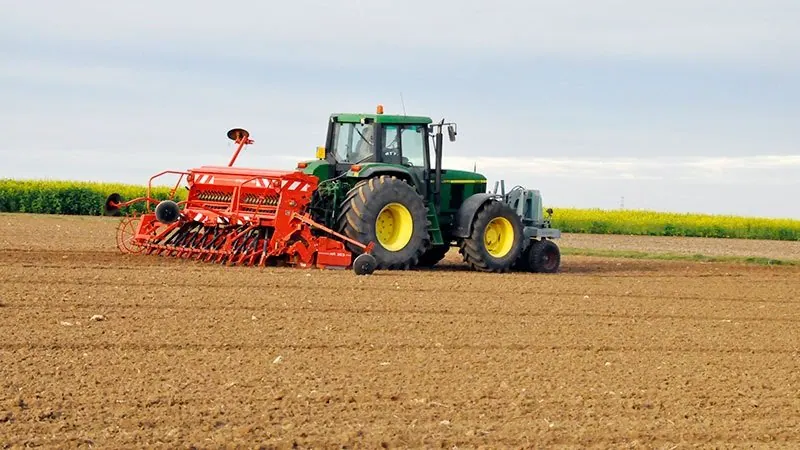
The Zaghouan region in Tunisia has planned to cultivate around 87,000 hectares for major crops this season. Of this, approximately 70% will be dedicated to grains, while about 28% will be allocated to fodder. This information was revealed during a recent meeting chaired by the regional governor, Karim El Barngi, to review preparations for the upcoming season.
Recent rainfall in the region has improved land preparation conditions, encouraging farmers to acquire high-quality seeds. According to the representative of the Regional Commission for Agricultural Development in Zaghouan, 77 out of 81 financing requests from local farmers have been approved. Additionally, several information and advisory days have been organized to provide farmers with guidance on best practices.
These advisory days covered topics such as sowing and fertilization techniques, suitable crop varieties, and disease prevention. The importance of adopting sustainable agricultural practices, including the use of certified seeds and proper seed treatment, was emphasized. Furthermore, the need to improve soil fertility through balanced fertilizer use and animal manure was highlighted.
To ensure a successful harvest, several measures have been agreed upon, including the timely provision of production inputs and encouraging farmers to join the Natural Disaster Fund. Efforts will also focus on reclaiming land threatened by erosion and improving soil quality. The adoption of environmentally and economically friendly agricultural practices will be promoted.
The meeting also reviewed the progress of logistical and field preparations for the major crops season, including the availability of seeds and fertilizers. The Zaghouan region is expected to play a significant role in Tunisia's agricultural production, particularly in the areas of grains and fodder.
The regional authorities are working to support farmers in the region, providing them with the necessary resources and guidance to ensure a productive harvest. By adopting best practices and sustainable agricultural methods, farmers in Zaghouan can improve their yields and contribute to the country's food security.
The upcoming season's prospects look promising, with favorable weather conditions and a well-planned approach. The Zaghouan region is poised to make a significant contribution to Tunisia's agricultural sector, and the authorities are committed to supporting farmers in the region to achieve this goal.
Key points
- The Zaghouan region will cultivate 87,000 hectares for major crops, mainly grains and fodder.
- Recent rainfall has improved land preparation conditions, and 77 out of 81 financing requests from local farmers have been approved.
- The region is promoting sustainable agricultural practices, including the use of certified seeds and balanced fertilizer use.