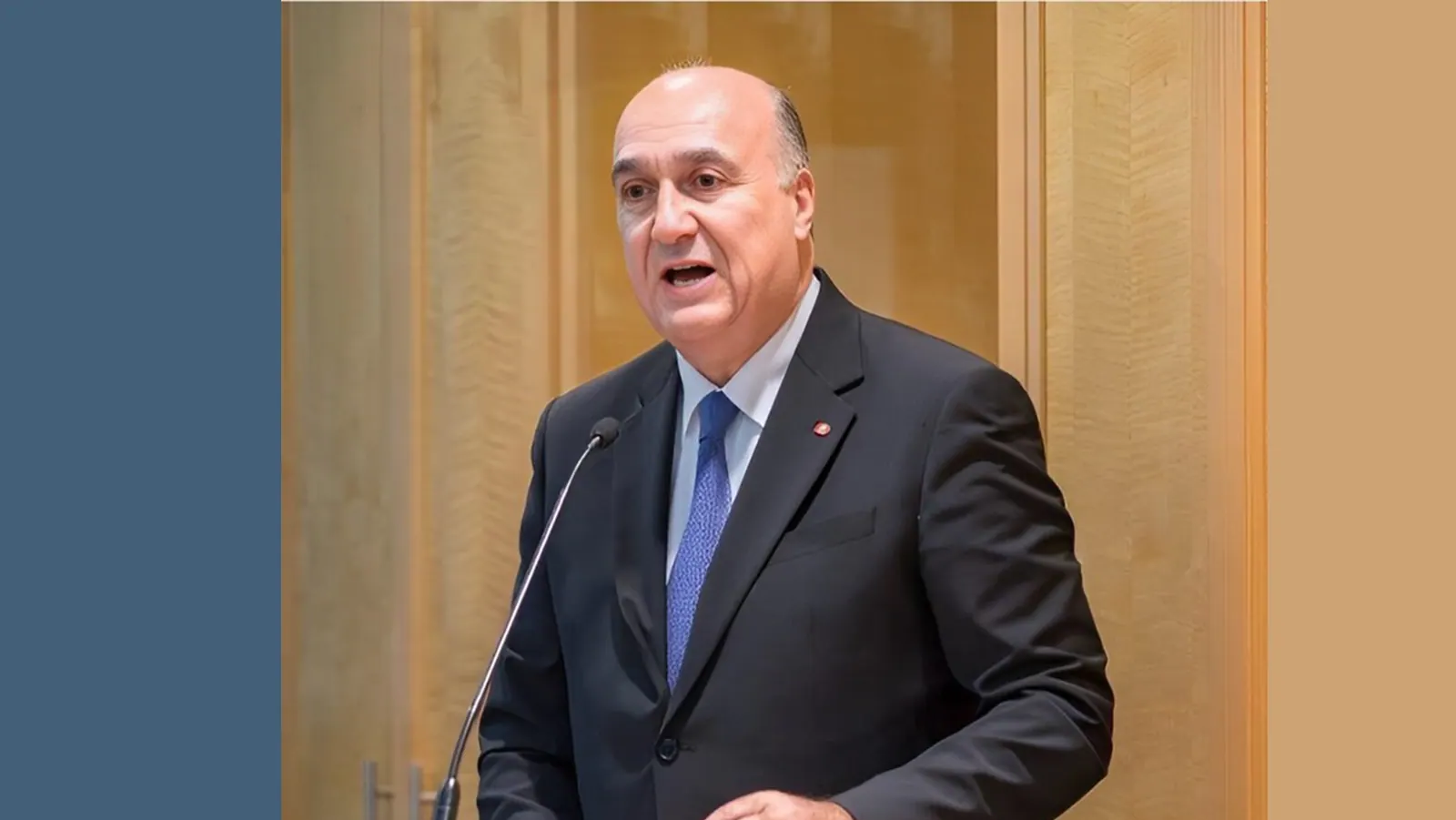
Former Tunisian diplomat Elyes Kasri has sounded the alarm about a deepening crisis in the country, warning that behind the recent case of an adolescent girl named Yakin lies a systemic problem. Kasri attributes this crisis to the explosion of drug consumption, the collapse of family and school structures, and the loss of state control over the youth. He likens the situation to a modern "opium war" imposed from outside, which threatens Tunisia's human capital and sovereignty.
According to Kasri, the recent census data reveals a historical demographic regression in Tunisia. With no natural resources, the country's only strength has always been its human resources, which are now under threat from delinquency and the devastating effects of psychotropic substances. The issue is not limited to specific social classes, as all categories are affected, from popular neighborhoods to affluent residential areas. However, the urgent focus should be on pockets of poverty and unemployment, where a lack of opportunities and hopelessness drive young people into a vicious cycle.
Kasri argues that a security-only response will not suffice to address the issue. There is a vital need to overhaul the socio-economic model, with the state creating inclusive wealth and providing genuine economic and professional opportunities. The youth need tangible hopes, realistic life projects, decent jobs, and social mobility mechanisms to envision a future beyond crime or emigration. The current situation demands a radical shift in approach to prevent irreversible damage to the social fabric and national security.
The former diplomat criticizes the state's and humanitarist elite's introspection, arguing that they have weakened societal structures by adopting Western-style laws without considering their implications. Instead of returning to a bygone era, Tunisia needs to find a balance that reflects its realities, values, and ambitions. Kasri advocates for a modern, proud, and progressive Tunisia that protects its human capital and finds a third way between Western mimicry and obscurantist regression.
Kasri identifies a loss of reference points, translating into a legal deconstruction of societal pillars. The collapse of the family unit and the erosion of parental authority have led to an increase in divorces, single-parent households, and a breakdown of family structures. The education system has also been hollowed out, leaving a void that is exploited by street dealers and psychotropic substances.
To address the crisis, Kasri proposes urgent measures, including the permanent inscription of youth and psychotropic issues on the National Security Council's agenda. He advocates for a special legislative article, dubbed "Super 96," to punish those involved in drug trafficking with maximum penalties. This approach would treat drug trafficking as a high treason crime and an attack on national sovereignty.
Kasri's call for action emphasizes the need for a national response to the crisis. He urges the state to take bold steps to prevent further damage and protect the country's human capital. The situation demands a comprehensive approach that addresses the root causes of the problem and provides a way out of the current predicament.
Key points
- The crisis in Tunisia is attributed to the rise of drug consumption, family and school breakdown, and loss of state control over youth.
- Kasri advocates for a new socio-economic model that creates inclusive wealth and provides opportunities for the youth.
- The former diplomat proposes urgent measures, including a special legislative article to punish those involved in drug trafficking.