The Tunisian Observatory for Water has released its annual report, highlighting the country's worsening water crisis. According to the report, the situation is dire due to consecutive droughts, dwindling water resources, and loss of bottled water. This has led to a deepening crisis of thirst among citizens. The observatory's coordinator, Alaa Marzouki, attributes the crisis not only to low rainfall but also to structural issues and poor governance.
Marzouki emphasized that the water crisis is largely due to a 1975 law that has not been revised in over five decades. The Tunisian Observatory for Water has urged the People's Assembly to expedite the approval of the water code project, which could help mitigate the waste of water resources. The report also revealed that the rate of water loss in networks has reached record levels, with 41% of water unaccounted for by the National Company for Water Exploitation and Distribution.
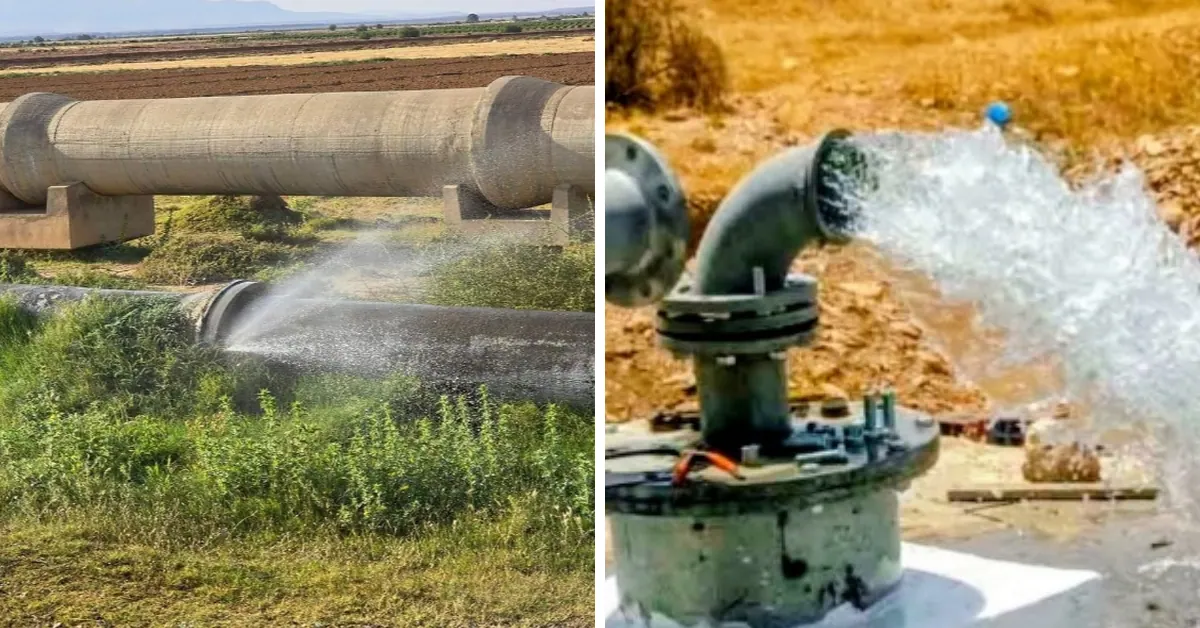
The national rate of water loss in networks is estimated at 21%, exceeding 30% in irrigation networks. Additionally, over 20% of Tunisia's water distribution networks are over 50 years old and suffer from significant deterioration, leading to increased water waste and affecting the efficiency of the distribution system. This has severe implications for the country's water supply.
The widespread drilling of random wells has raised concerns, with approximately 10,000 new wells drilled, bringing the total to around 33,000 uncontrolled wells. This is according to a World Bank report released in the summer. The lack of regulation and oversight has contributed to the over-extraction of groundwater, exacerbating the water crisis.
Despite improved dam reserves, the water crisis persists. Dams provide only about 40% of the water consumed in Tunisia, primarily benefiting Greater Tunis, coastal cities, and some regions. Other areas rely heavily on groundwater, which is being depleted at an alarming rate. The 2026 rainy season, although improved, will not be sufficient to address the structural crisis.
Factors contributing to the crisis include high evaporation rates, increased sedimentation, and inadequate dam maintenance. The cost of transporting water from the north, particularly from the Sidi Salem dam, to coastal cities like Sfax, is also a significant challenge. The water crisis has severe implications for Tunisia's citizens, economy, and environment.
The Tunisian Observatory for Water is calling for urgent action to address the water crisis. This includes revising the 1975 law, approving the water code project, and implementing measures to reduce water waste and promote efficient use of this vital resource. The country's future prosperity depends on addressing this pressing issue.
Key points
- Tunisia's water crisis is attributed to a combination of factors, including aging infrastructure, over-extraction of groundwater, and poor governance.
- The country's water distribution networks suffer from significant deterioration, with over 20% of networks over 50 years old.
- The Tunisian Observatory for Water has urged the People's Assembly to expedite the approval of the water code project to mitigate the waste of water resources.