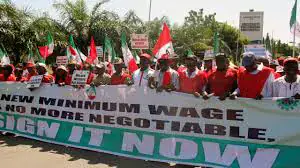
The Union générale tunisienne du travail (UGTT) has announced a 48-hour strike in Tunisia's fuel transport sector, effective from September 23, 2026, at 00:00 to September 24 at 23:59. The strike, called by the UGTT, will see all concerned workers ceasing their professional activities for the duration of the strike, in accordance with the country's legal provisions. Workers are expected to adhere to the strike and avoid actions that could disrupt work or damage property.
In a statement, the UGTT urged its members and other stakeholders to ensure the security of people, equipment, and establishments during the strike. The union also emphasized the importance of maintaining a minimum level of activity as required by law and adhering to safety and security regulations at workplaces. This includes guaranteeing the continuous supply of essential services and ensuring the safety of patients, particularly in hospitals and clinics.
The UGTT highlighted the need for special attention to be given to covering essential needs, such as the supply of oxygen bottles to hospitals and clinics. This measure aims to ensure that critical services remain operational and that patients receive the necessary care during the strike. The union called on its members to respect the strike decision and refrain from any actions that could alter its peaceful and professional nature.
The strike is part of the UGTT's efforts to address various concerns and demands related to the fuel transport sector. While specific details about the demands are not provided, the union's actions suggest ongoing efforts to negotiate and resolve issues affecting workers in the sector. The UGTT's move follows a series of recent industrial actions and statements from various sectors in Tunisia.
The UGTT has instructed its members to report to the headquarters of the Fédération générale du travail to submit letters of protest, in line with the union's disciplinary rules and safety protocols. This step is part of the union's strategy to express grievances and push for resolutions through peaceful and organized means.
The impact of the strike on fuel supplies and related services remains to be seen. With the strike scheduled for a short duration, its immediate effects might be limited, but it could still cause disruptions in fuel distribution and related industries. Tunisian authorities and stakeholders will likely be monitoring the situation closely to mitigate any adverse effects on the economy and public services.
The UGTT's decision to undertake this industrial action underscores the ongoing challenges and tensions within Tunisia's labor sector. The situation highlights the need for continued dialogue and negotiation between labor unions, employers, and government authorities to address worker concerns and prevent future disruptions.
Key points
- The UGTT's 48-hour strike in Tunisia's fuel transport sector began on September 23, 2026.
- The strike aims to address worker concerns and demands in the fuel transport sector.
- Essential services, including hospital supplies, are expected to be maintained during the strike.