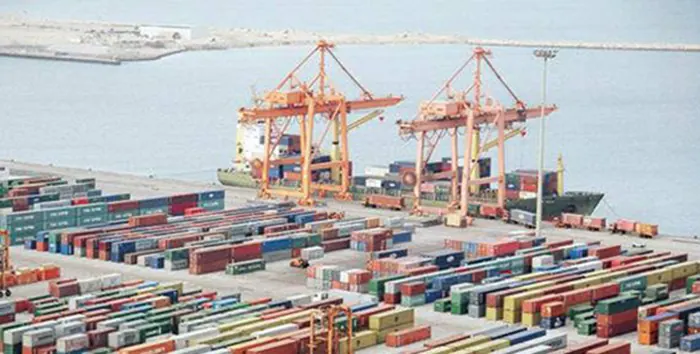
Tunisia's Minister of Transport, Rached Al-Amri, has emphasized the country's commitment to developing its maritime sector and ports in line with international trends in maritime safety and security, environmental protection, and sustainable development. This effort is part of Tunisia's broader strategy to establish itself as a regional logistics hub in the Mediterranean and a gateway to Africa. The development plan includes a significant program to upgrade port infrastructure.
The program to develop port infrastructure includes the creation of a deep-water port and a logistics services area spanning over 2,000 hectares. Additionally, there are plans to enhance connections with rail and road transport networks. Minister Al-Amri made these announcements during the "Maritime Port Days" event held in the capital on September 22 and 23. The event highlights Tunisia's efforts to modernize its ports and improve their efficiency.
As part of the development plan, Tunisia has started to restructure its national maritime fleet by upgrading existing ships and acquiring new ones that meet international maritime standards. The goal is to improve the competitiveness of the national economy and integrate it into global value chains. This involves creating a legal and institutional framework, organizing logistics professions, and developing skills in this field.
Minister Al-Amri also noted that ports are experiencing rapid and unprecedented changes due to technological advancements and shifts in operational methods and cargo handling. These changes pose new challenges that require foresight and innovative solutions. Key challenges include promoting green transformation and sustainability, accelerating digitalization and the use of artificial intelligence, and enhancing port security.
The Tunisian government is prioritizing international cooperation with friendly countries, particularly the United States, to promote investment in the maritime transport and ports sector. This involves leveraging leading global expertise and experiences in this field and encouraging the establishment of fruitful partnerships between Tunisian and international players.
The development of the maritime sector is expected to contribute to Tunisia's economic growth and enhance its position as a regional logistics hub. The government's efforts to modernize ports and improve their efficiency are crucial in achieving this goal. The "Maritime Port Days" event provides a platform for stakeholders to discuss the challenges and opportunities in the sector.
The Tunisian government remains committed to investing in the maritime sector and ports to ensure their sustainability and competitiveness. The country's strategic location in the Mediterranean makes it an attractive hub for trade and logistics. With the right investments and partnerships, Tunisia can capitalize on its strengths and become a major player in the region.
Key points
- Tunisia aims to establish itself as a regional logistics hub in the Mediterranean and a gateway to Africa.
- The country is investing in port infrastructure development, including a deep-water port and logistics services area.
- Tunisia is prioritizing international cooperation and digitalization to enhance its maritime sector and ports.