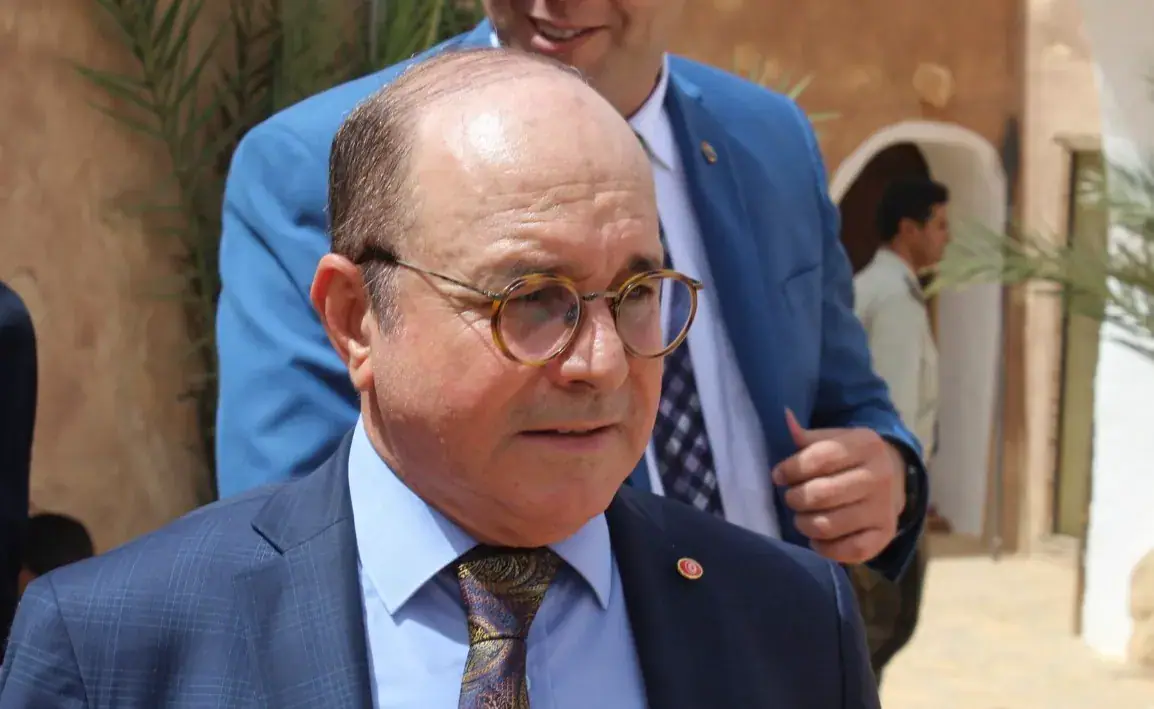
Tunisia's traditional industries sector is a significant contributor to the country's economy, employing approximately 350,000 artisans, with 183,000 of them registered. This represents around 52% of the estimated total number of artisans in the country. The sector's importance was highlighted by Minister of Tourism, Sufian Tka, during a presentation on the tourism sector's tasks for 2027.
The traditional industries sector contributes 4% to Tunisia's Gross Domestic Product (GDP) and around 2% to the country's national exports. In 2025, the sector's exports, monitored by the National Office for Traditional Industries, reached a value of approximately 160 million dinars. The sector comprises 2,302 registered artisanal establishments and 60 artisanal councils.
The sector has also seen significant developments in terms of certification and recognition. A total of 40 artisans, distributed across 17 governorates, have obtained the "Master Artisan" card. Furthermore, around 40% of investors in the sector hold higher education qualifications. These statistics demonstrate the growing professionalism and expertise within the traditional industries sector.
In terms of training and capacity-building, the sector offers various programs to support artisans. The annual rate of beneficiaries from these programs is around 12,000 people, distributed across three programs. These programs include artisanal training in establishments, technical training for product development, and professional training for knowledge enhancement.
The sector also receives significant investment, with the average cost of an artisanal project estimated at around 35,000 dinars. The total annual investment in the sector is approximately 18 million dinars. Moreover, around 150 exhibitions are organized annually in Tunisia, featuring around 7,000 artisans, and 17 exhibitions are held abroad, with around 120 exhibitors.
To support artisans and artisanal establishments, the government has implemented various measures, including providing guidance and follow-up on financing files for loans. Around 5,000 financing files are processed annually to meet the sector's financing needs. Additionally, efforts are being made to protect and promote artisanal products, including the development of a list of 24 products eligible for protection under the appellation of origin and geographical indications.
The government has also introduced measures to encourage artisans and establishments to protect their innovations and products. These measures include a 70% reduction in fees for registering designs, models, and trademarks with the National Institute for Standards and Industrial Property. This initiative aims to promote innovation and competitiveness within the traditional industries sector.
Key points
- The traditional industries sector in Tunisia employs around 350,000 artisans and contributes 4% to the country's GDP.
- The sector's exports reached a value of approximately 160 million dinars in 2025.
- The government has implemented measures to support artisans, including training programs, financing, and protection of artisanal products.