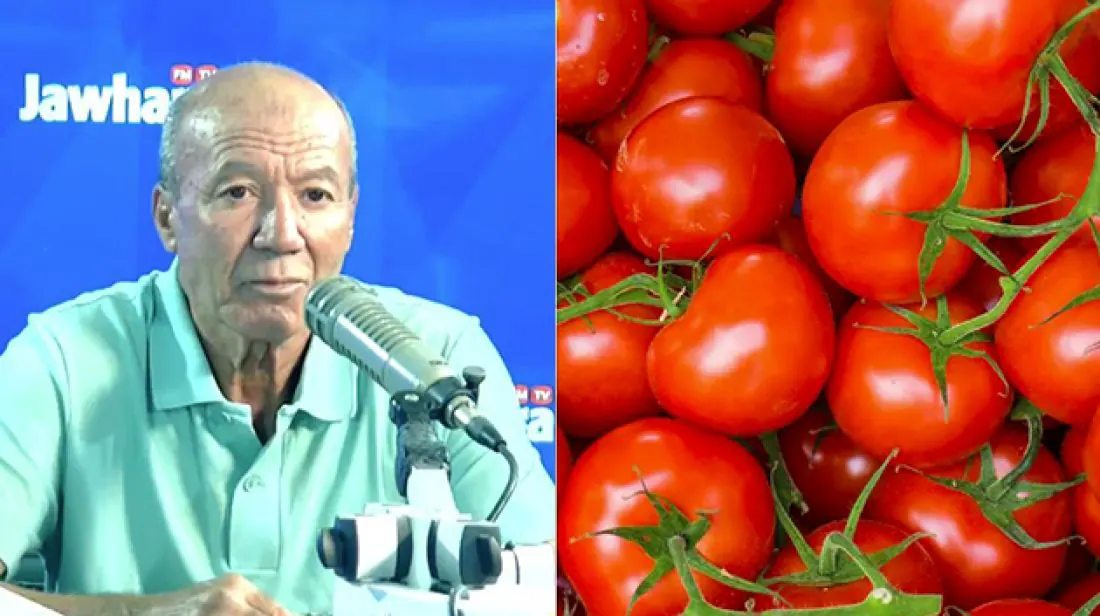
Tunisia is experiencing a shortage of tomatoes in its markets, according to Abdallah Sahraoui, head of the Tunisian Association of Vegetable Producers in the Sahel region. Sahraoui attributed the shortage to climate change, rising temperatures, and severe water scarcity, which have affected tomato production. These factors have resulted in a decline in the quality and quantity of tomatoes available in the market.
The current period marks a transitional phase between seasons, with the end of the production season in greenhouses in the Sahel region and a gradual shift to seasonal production areas such as Sidi Bouzid and Kasserine. However, crops in these areas have suffered significant damage due to hailstorms, leading to a substantial loss of produce and the appearance of small, damaged tomatoes in the market.
The region of Monastir, which accounts for 46% of the country's production during periods of low production, relies heavily on water from the Nebhana dam, which is currently dry. This has directly impacted agricultural seasons, exacerbating the tomato shortage. Sahraoui highlighted that the 20kg tomato crate often contains around 7kg of unfit-for-consumption tomatoes.
The actual consumption of tomatoes is currently concentrated in restaurants and commercial establishments, while ordinary citizens struggle to access high-quality products. Sahraoui noted that the previously set prices, ranging from 1600 to 1800 millimes, did not account for real production costs and logistical expenses.
The price of tomatoes in the wholesale market in Sidi Bouzid has risen to 2700 millimes per kilogram, and the product is now selling for 3000 millimes per kilogram in markets, despite its lower quality. Sahraoui warned that if the government does not intervene to support the sector and provide water allocations for irrigation in Monastir and the Sahel, Tunisia will face a severe shortage of tomatoes and peppers in the coming months.
The shortage of tomatoes and other vegetables may have significant implications for the country's food supply and prices. Sahraoui's statements highlight the need for urgent action to address the challenges facing the agricultural sector, particularly in the context of climate change and water scarcity.
The Tunisian government and relevant authorities will need to take measures to mitigate the effects of these challenges on the agricultural sector and ensure a stable food supply for the population. The situation will require close monitoring and prompt action to prevent further shortages and price increases.
Key points
- Climate change and water scarcity have significantly impacted tomato production in Tunisia.
- The shortage of tomatoes has resulted in a decline in quality and quantity, affecting consumers and producers alike.
- The government is urged to intervene and support the sector to prevent further shortages and price increases.