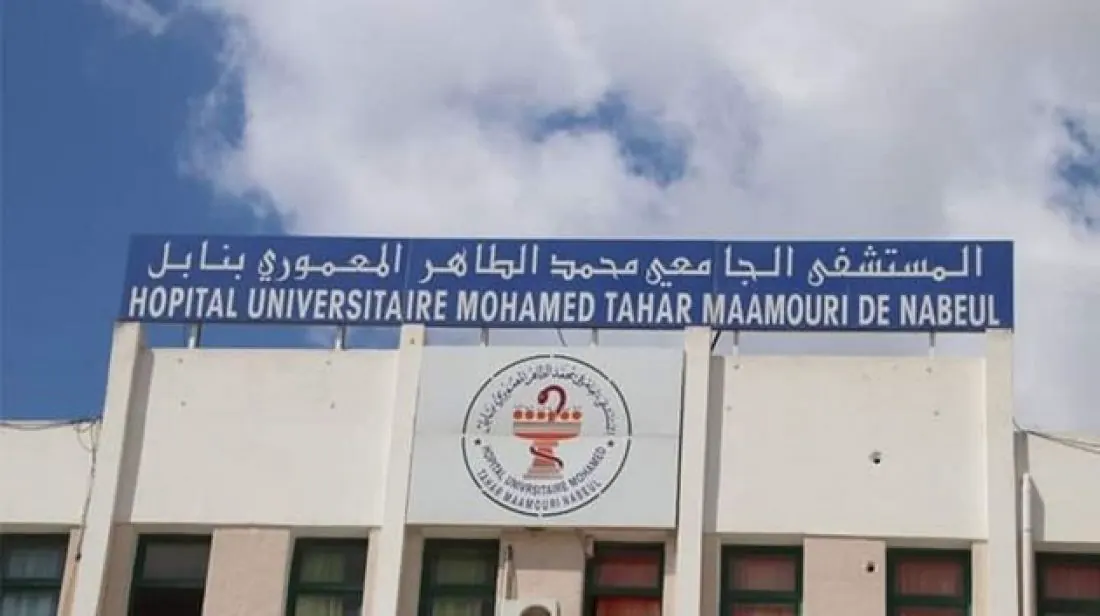
In an effort to improve healthcare services and patient reception, Rashdi Ben Harrath, director of Tahar Mamoori University Hospital in Nabeul, Tunisia, announced the implementation of a new digital system called 'Easy Queue'. This system aims to organize waiting periods and alleviate congestion at the hospital's reception desk. The move comes in response to complaints from citizens and patients about lengthy wait times and overcrowding.
Ben Harrath explained that the decision was made to address concerns raised by patients and to implement recommendations from the Minister of Health to find practical solutions to improve service efficiency. As part of the preparations, the hospital management took several measures to reduce pressure, including relocating six external clinics to outdoor spaces. Although this helped alleviate congestion to some extent, the increasing demand for services at the hospital necessitated a more strategic approach.
The 'Easy Queue' system offers several interactive features, allowing patients to receive text messages on their mobile phones informing them of their turn when they collect their tickets. This feature enables patients to utilize their waiting time to attend to personal matters outside the hospital premises, eliminating the need to stand in long queues. The system is expected to significantly reduce congestion and waiting times.
According to Ben Harrath, the new system will facilitate a transition from a traditional, crowded reception area to a more organized, digital one. This change is anticipated to occur in the near future. The hospital is also planning to develop its infrastructure, with Ben Harrath announcing plans to construct a new building dedicated to a new reception office.
The new building, which will be designed as a prefabricated structure, will be used for registering services and complementary clinics, such as medical analysis, radiology, and magnetic resonance imaging. This development aims to further enhance the hospital's capacity to provide efficient services to patients.
The introduction of the 'Easy Queue' system is part of a broader effort to improve the overall quality of healthcare services in Tunisia. By streamlining patient intake and reducing wait times, the hospital aims to provide a more comfortable and efficient experience for patients.
The hospital's management is committed to continuing to implement measures that enhance patient care and satisfaction. With the introduction of the 'Easy Queue' system and plans for future infrastructure development, Tahar Mamoori University Hospital in Nabeul is taking significant steps towards achieving its goals.
Key points
- The hospital has introduced a new digital system called 'Easy Queue' to reduce congestion and wait times.
- The system allows patients to receive text messages informing them of their turn, enabling them to attend to personal matters outside the hospital.
- The hospital plans to construct a new building dedicated to a new reception office as part of its infrastructure development plans.