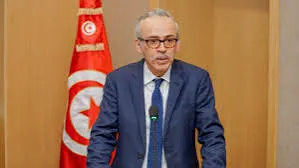
Tunisia's Minister of Social Affairs, Issam Al-Hamri, has announced plans to reform the country's labor code, including the introduction of laws on remote work and the platform economy. The reforms aim to modernize the labor code and align it with international standards, particularly in the face of rapid technological advancements. Al-Hamri made the announcement at the opening of a scientific conference on the future of labor law in Tunisia.
The conference, organized by the Tunisian Association of Labor Inspectors, brings together experts and stakeholders to discuss the challenges and opportunities presented by digitalization and artificial intelligence in the workplace. Al-Hamri emphasized the need for a modern and flexible labor code that can adapt to the changing needs of the labor market and protect the rights of workers. He also highlighted the importance of social dialogue and cooperation between different stakeholders.
The proposed reforms include the introduction of laws on remote work, which is becoming increasingly popular in Tunisia. The new laws will aim to provide workers with greater flexibility and better working conditions, while also ensuring that employers are able to manage their workforce effectively. Additionally, the reforms will focus on improving social protection for workers, particularly those in the informal economy.
Al-Hamri also emphasized the importance of aligning Tunisia's labor code with international standards, particularly those set by the International Labor Organization (ILO). He noted that the country's labor code has not been significantly updated in recent years and is no longer adapted to the changing needs of the labor market. The proposed reforms aim to address these challenges and provide a more modern and effective framework for labor relations in Tunisia.
The scientific conference on the future of labor law in Tunisia will run for two days and will bring together experts and stakeholders from different backgrounds. The conference aims to provide a platform for discussion and debate on the challenges and opportunities presented by digitalization and artificial intelligence in the workplace. Participants will also discuss ways to improve social protection for workers and promote social dialogue and cooperation.
Other speakers at the conference, including Professor Nouri Mezid from the Faculty of Law in Sfax, emphasized the need for a modern and flexible labor code that can adapt to the changing needs of the labor market. They also highlighted the importance of social dialogue and cooperation between different stakeholders in the development of labor law in Tunisia.
The Tunisian government has announced plans to implement a series of reforms aimed at improving the country's labor market and promoting economic growth. The reforms will focus on improving social protection for workers, promoting employment, and enhancing the business environment. The government aims to create a more competitive and dynamic economy that can attract investment and create jobs for Tunisian citizens.
Key points
- The proposed reforms aim to modernize Tunisia's labor code and align it with international standards.
- The reforms will focus on improving social protection for workers, particularly those in the informal economy.
- The government aims to create a more competitive and dynamic economy that can attract investment and create jobs for Tunisian citizens.