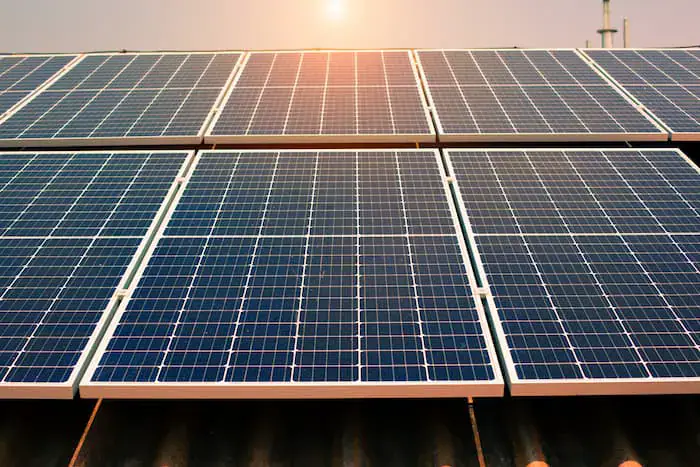
The Tunisian Professional Association for Renewable Energies, part of the Tunisian Confederation of Citizen Enterprises, has expressed concerns over the recent decision by the joint finance and budget committee to drop two articles from the 2027 finance bill. These articles, numbers 49 and 50, aimed to reduce customs and tax burdens on electrical energy storage batteries and photovoltaic panels. The association warns that maintaining high customs and taxes on renewable energy equipment will increase the cost of acquiring and installing solar systems and storage batteries.
This increase in costs may deter citizens and institutions from investing in self-production of electricity, potentially delaying Tunisia's energy transition. The association emphasizes that reducing these burdens is not a privilege for professionals or companies in the sector but a measure to encourage citizens to produce part of their electricity needs and reduce dependence on imported energy. Tunisia has significant potential in solar energy, and encouraging investment in this area could transform citizens from energy consumers to producers.
The association highlights that the current tax and customs burdens will likely lead to increased energy imports, continued pressure on the electrical grid, and higher energy subsidy costs in the long run. This situation may also delay investment in self-production and storage, reducing the competitiveness of Tunisian institutions. The country aims to achieve 35% of renewable energy in its energy mix by 2030, a goal that requires a stable fiscal and customs policy to encourage investment and reduce equipment costs.
The association has called for a reevaluation of the dropped articles and urged the government and Ministry of Finance to reconsider their decision. They argue that the economic and energy implications of reducing customs and taxes could outweigh the direct fiscal resources these taxes provide to the state. The association also emphasizes the importance of storage batteries in the energy transition, which are no longer considered luxury items but essential solutions for ensuring continuous electricity supply and improving solar energy utilization.
The decision to drop the tax breaks has been criticized by the association, which argues that it will limit the adoption of storage solutions among households and institutions. They stress that a clear and stable fiscal and customs policy towards renewable energy equipment and storage is crucial. This policy should prioritize the citizen and national energy security over immediate fiscal considerations, recognizing self-production and storage as national investments in energy security rather than mere commercial activities.
The association's concerns align with Tunisia's goal of increasing its renewable energy share. The country has been working to boost its renewable energy sector, but the recent decision may hinder progress. A stable policy environment is essential for attracting investment in the sector and achieving the country's renewable energy targets.
The Tunisian government faces pressure to reconsider its decision and adopt a supportive policy for the renewable energy sector. The association's call for a reevaluation of the dropped articles highlights the need for a balanced approach that considers both fiscal and energy security objectives. A clear policy direction will be crucial in determining the future of Tunisia's renewable energy sector.
Key points
- The Tunisian Professional Association for Renewable Energies has warned that dropping tax breaks for solar energy could delay the country's transition to cleaner energy.