Patients with diabetes and HIV in Rwanda are advocating for increased health education to enable them to manage their conditions effectively. They argue that a lack of adequate information on how to cope with their illnesses can exacerbate their health problems. With limited access to healthcare services, patients are seeking to be equipped with the knowledge and skills to take care of their health.
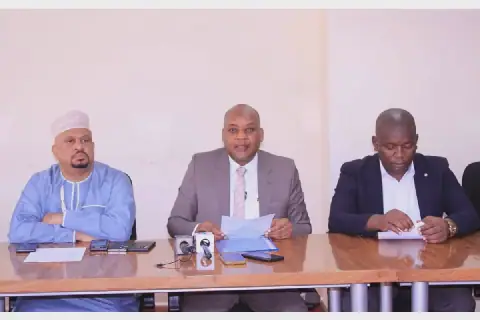
The patients, who gathered at a recent conference organized by the Rwanda Diabetes Association (RDA) and the Rwanda Network of People Living with HIV (RRP+), emphasized the importance of self-management in controlling their conditions. They highlighted that diseases like diabetes and HIV require patients to take an active role in their care, rather than relying solely on healthcare providers.
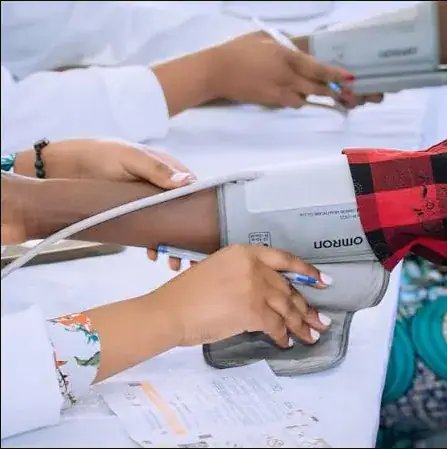
One patient, Ntakirutimana, a 23-year-old who has been living with diabetes for 10 years, stressed the need for patients to have the necessary knowledge to manage their conditions. He noted that patients should be able to monitor their blood sugar levels, adjust their medication, and make lifestyle changes to maintain their health.
Patients also highlighted the challenges they face, including stigma and discrimination, which can worsen their mental health. Some patients reported being shunned by their communities, losing their jobs, or being abandoned by their partners due to their conditions.
Etienne Uwingabire, Executive Director of the RDA, emphasized that patients need to be empowered with knowledge to manage their conditions effectively. He suggested that involving family members and caregivers in patient education can help ensure that patients receive the support they need.
Jean Claude Habineza, a health expert at the National Health Service, noted that basic health education is essential for patients to manage their conditions. He emphasized that patients do not need to be highly educated to understand their conditions and that simple education can enable them to make informed decisions about their health.
According to recent reports, Rwanda has a significant burden of diabetes and HIV. The 2025 Rwanda Demographic and Health Survey (RDHS) reported that 2.2% of people aged 15-49 live with HIV, while the International Diabetes Federation (IDF) estimated that 130,800 adults aged 20-79 live with diabetes, with 85.6% of them being undiagnosed.
Key points
- Patients with diabetes and HIV in Rwanda are calling for increased health education to empower them to manage their conditions effectively.
- The lack of adequate information on how to cope with these illnesses can exacerbate health problems.
- Patients need to be equipped with the knowledge and skills to take care of their health, including self-management and lifestyle changes.
Reporting sources
- Abarwaye Diyabete, SIDA barasaba kongererwa ubumenyi bwo kwiyitaho · https://www.kigalitoday.com/