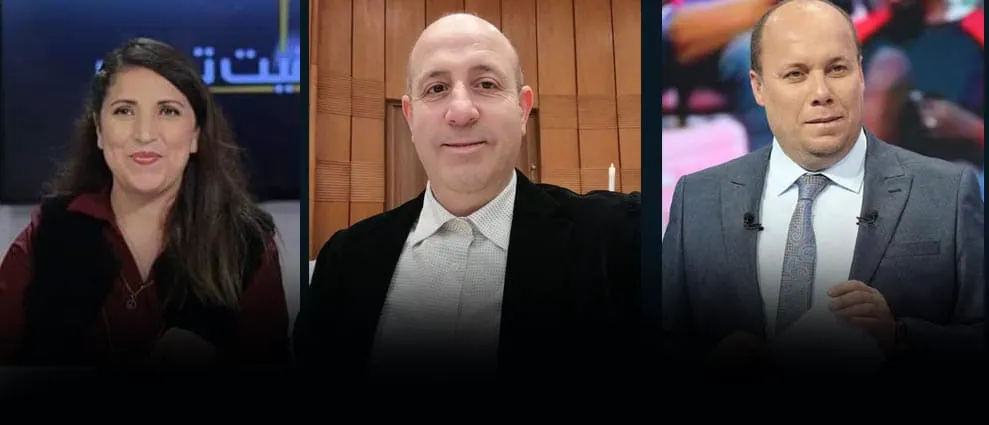
In a move aimed at revamping Tunisia's public broadcasting landscape, three new leaders have been appointed to head the country's public TV channels. Wahida Gharbi has been named to lead Wataniya 1, the flagship channel of the Tunisian Television Establishment, while Lassaad Saker will head Wataniya 2, and Eskander Hajjam will lead the sports channel. These appointments come at a time when the public's viewing habits are shifting, with more people turning to private channels, digital platforms, and new media.
Wahida Gharbi, a veteran of Tunisian television, takes the helm of Wataniya 1, which is seen as the face of public television in Tunisia. With a background in journalism and editorial production, Gharbi will oversee a diverse range of programming, including news, cultural shows, and entertainment programs, as well as coverage of major national events. Her experience in preparing several TV shows, including "Chokran ala Alhoudhour," has equipped her to lead the channel's editorial content.
Lassaad Saker, a journalist by training, has been tasked with giving Wataniya 2 a distinct identity that complements its sister channel. With experience in managing sports programming and serving as deputy director of programming at Wataniya 1, Saker is well-positioned to develop a coherent programming strategy and manage content for the channel. His goal is to create a unique offering that sets Wataniya 2 apart from other channels.
Eskander Hajjam, a well-known sports journalist, has been appointed to lead the sports channel, which began experimental broadcasting on March 29, 2026. With experience in negotiating rights for national and international competitions, Hajjam is poised to drive the channel's content strategy and build its reputation as a leading sports broadcaster in Tunisia.
The appointments of Gharbi, Saker, and Hajjam reflect a broader effort to revamp Tunisia's public broadcasting sector, which has faced challenges in recent years. The new leadership team will need to navigate a rapidly changing media landscape, where public broadcasters face increasing competition from private channels and digital platforms.
The Tunisian Television Establishment, which oversees the public TV channels, has been working to adapt to these changes. The new leadership team will need to balance the need to maintain a strong public presence with the demands of a rapidly evolving media market. With their combined experience and expertise, Gharbi, Saker, and Hajjam are well-positioned to drive the channels forward.
As the new leadership team takes the reins, they will face challenges in building and maintaining audience engagement, as well as navigating the complex regulatory landscape of Tunisia's broadcasting sector. However, with a deep understanding of the local media market and a commitment to quality programming, they may be able to restore public TV's relevance and appeal to Tunisian audiences.
Key points
- The appointments of Wahida Gharbi, Lassaad Saker, and Eskander Hajjam mark a significant change in Tunisia's public broadcasting landscape.
- The new leaders will need to navigate a rapidly changing media market, where public broadcasters face increasing competition from private channels and digital platforms.
- The success of the public TV channels will depend on their ability to build and maintain audience engagement, as well as navigate the complex regulatory landscape of Tunisia's broadcasting sector.