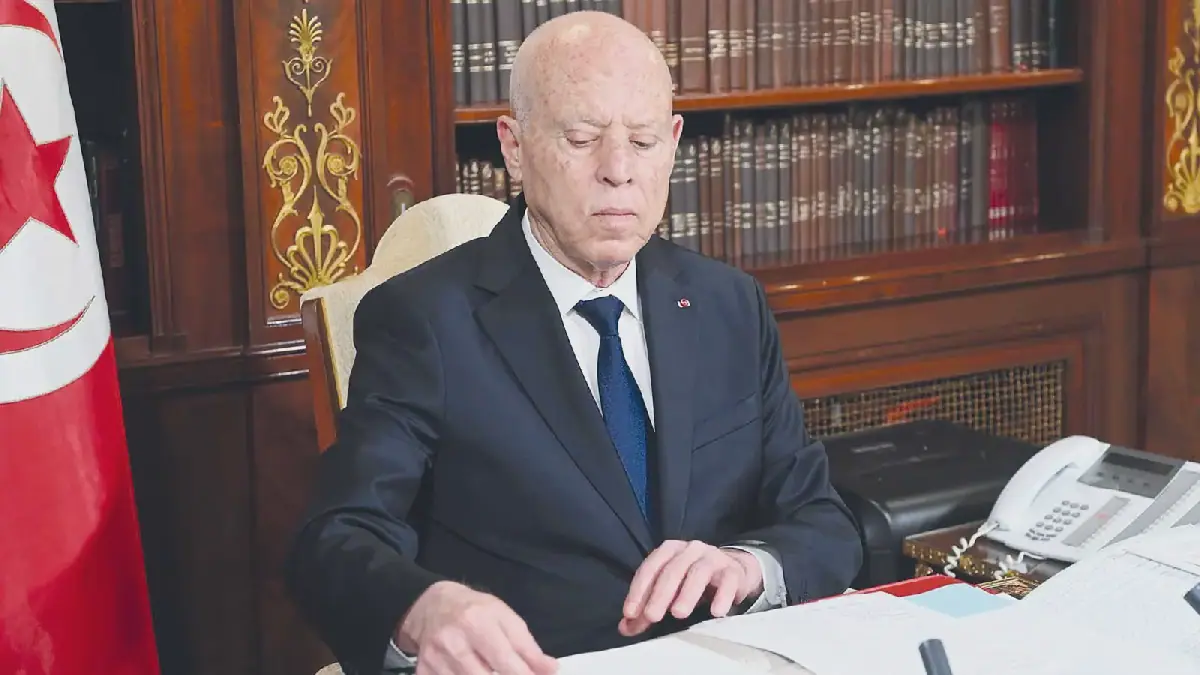
Tunisia's President has reiterated the urgency of finalizing penal reconciliation, a process that has been ongoing for several years. The President stated that this process is crucial in recovering funds that belong to the Tunisian people, without any concessions. The country's economy is expected to face significant challenges in 2027, including a projected budget deficit of over 15 billion dinars and financing needs of around 28 billion dinars.
The penal reconciliation process aims to encourage individuals who have committed errors to rectify their situations and reinvest in the country's development. This process is seen as an opportunity for these individuals to rejoin the national development effort by injecting their capital into the formal economy. The government has adopted a flexible approach to conclude agreements, which is considered a significant advantage.
The context is favorable for finalizing the penal reconciliation process, as all necessary legal and regulatory procedures have been completed. The process is expected to generate substantial financial injections, which can be allocated to strategic development projects, such as reviving underdeveloped regions, reactivating investments, and expanding social actions.
The penal reconciliation process is viewed as a sovereign option for injecting new liquidity into the real economy, particularly in the face of international financial constraints. The funds recovered could support entrepreneurship, especially community-based initiatives, which would stimulate job creation, promote financial inclusion, and support social and solidarity-based economies.
According to observers, penal reconciliation represents a form of collective well-being repair. It seeks to alleviate the public's sense of injustice related to corruption impunity and offers a form of restorative justice. The process is expected to provide compensation through local development projects.
The President's emphasis on penal reconciliation comes amid concerns about the country's economic prospects. Tunisia's economy is expected to face significant challenges, including a high debt-to-GDP ratio of 85% and ambitious economic objectives, such as achieving an average growth rate of 3.1% and a productive investment rate of 16.4%.
The successful completion of the penal reconciliation process could provide a much-needed boost to Tunisia's finances and support the country's development efforts. The process is seen as a critical step towards addressing the country's economic challenges and promoting sustainable growth.
Key points
- The Tunisian government aims to recover funds that belong to the people through penal reconciliation.
- The process is expected to generate substantial financial injections for strategic development projects.
- Penal reconciliation is viewed as a sovereign option for injecting new liquidity into the real economy.