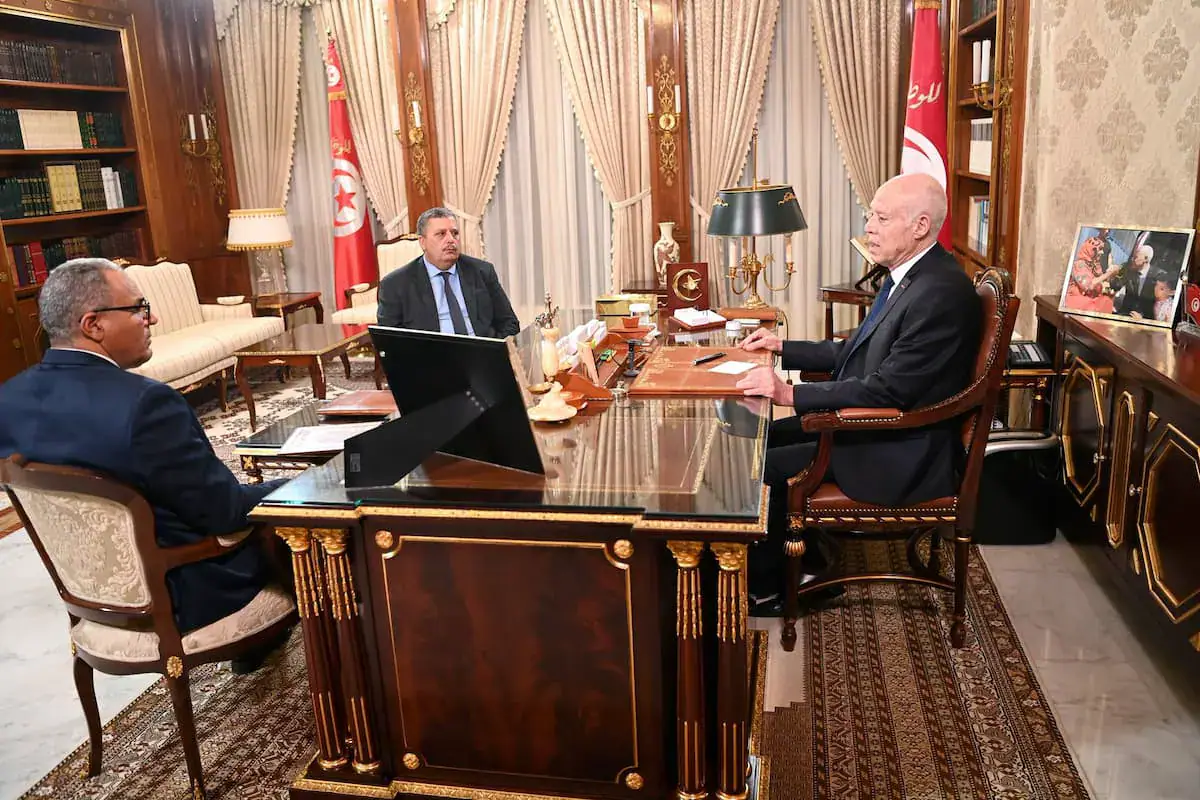
On November 6, Tunisian President Kaïs Saïed met with Minister of Education Noureddine Nouri and President of the Higher Education Council Mohamed Ali Boughdiri to discuss the country's education system. He emphasized the need for a national, equal, and accessible education system for all students, including those in rural areas. The President stressed that without such a system, the future of Tunisia's youth is at risk. He criticized previous reforms for being driven by foreign influences rather than the needs and expectations of Tunisians.
President Saïed expressed concern over the "tarissement des sources" phenomenon, which he believes has led to the suppression of critical thinking. He argued that this issue persists through certain online content and emphasized the need for new teaching methods and open debates. The President encouraged the adoption of successful foreign experiences but insisted that solutions must be grounded in Tunisia's realities and proposed by its citizens. He expressed confidence in the country's ability to develop a model that could serve as a reference for others.
A key aspect of President Saïed's vision is prioritizing the needs of students in remote regions. He called for improved support, adapted school transportation, and necessary resources to ensure these students can pursue their education without hindrance. The goal is to reduce territorial disparities and provide equal opportunities for all students, regardless of their location or social status. The President reaffirmed that education is a fundamental right that must be guaranteed without discrimination.
President Saïed criticized individuals who claim to possess knowledge without the necessary qualifications. He advocated for a merit-based approach to education and expertise. The President's vision for education reform emphasizes inclusivity, equity, and the development of a homegrown model that can be a source of national pride.
The Tunisian education system has faced criticism for being influenced by external factors rather than being tailored to the country's specific needs. President Saïed's push for reform aims to address these concerns and create a more responsive and effective education system. By engaging with various stakeholders and encouraging open dialogue, the President hopes to build a consensus around the necessary changes.
The proposed reforms have the potential to significantly impact Tunisia's education landscape. By focusing on equal access, improved teaching methods, and a more inclusive approach, the government aims to provide students with the skills and knowledge needed to succeed. The President's emphasis on leveraging local expertise and experiences could help create a more sustainable and context-specific education model.
As the government begins to implement these reforms, it will be essential to monitor progress and address any challenges that arise. President Saïed's commitment to creating a more equitable and effective education system is clear, and the success of these efforts will depend on the government's ability to engage with stakeholders, allocate resources effectively, and prioritize the needs of all students.
Key points
- President Saïed emphasizes equal access to education nationwide.
Reporting sources
- Éducation : Kaïs Saïed veut une réforme en profondeur du système éducatif · L'Économiste maghrébin