A recent analysis by three top AI models - Gemini, Meta.ai, and ChatGPT - suggests that Tunisian President Kais Saïed is likely to win the 2029 presidential election, with probabilities ranging from 65% to 85%. The models attribute this prediction to Saïed's control of state resources, the absence of strong opposition leaders, and the restrictive nature of the 2022 constitution he introduced. This forecast has sparked concerns about the potential for a life presidency in Tunisia.
The analysis has been met with worry from Sadok Zerelli, a Tunisian academic and democracy advocate. Zerelli emphasizes that a life presidency would undermine Tunisia's democratic progress and potentially lead to a return to authoritarianism. He notes that Saïed's seven-year tenure has been marked by a decline in economic and social indicators, including rising unemployment and inflation. Zerelli also highlights the president's failure to tackle corruption, a key campaign promise.
Zerelli's concerns extend beyond the economic sphere, as he fears that a prolonged Saïed presidency would erode democratic institutions and restrict individual freedoms. He draws parallels with Tunisia's past experiences under presidents Habib Bourguiba and Zine El Abidine Ben Ali, who ruled the country with an iron fist. While acknowledging Saïed's integrity and dedication to the nation, Zerelli stresses that his performance in office has been disappointing.
The potential for a life presidency in Tunisia raises questions about the country's democratic culture and the population's willingness to accept authoritarian leadership. Zerelli wonders why Tunisians, who are largely educated and aware of their rights, seem to be resigned to a system that restricts their freedoms. He cites a quote often attributed to François Mitterrand, suggesting that "each people has the president it merits."
Zerelli identifies several factors contributing to the Tunisian people's apparent resignation, including a lack of trust in institutions and a fear of instability. He also notes that the current constitution, introduced in 2022, has been criticized for concentrating power in the hands of the president. This has led to concerns about the independence of the judiciary and the freedom of the press.
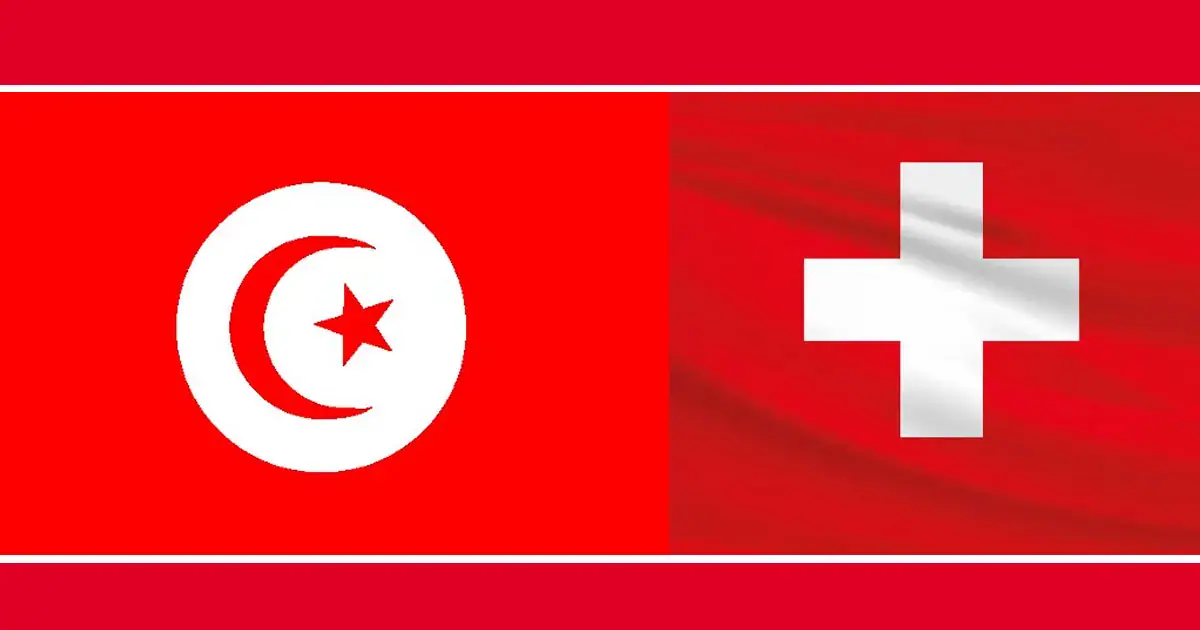
In an attempt to address these concerns, Zerelli suggests that Tunisia could draw inspiration from the Swiss system of government. He proposes the introduction of measures such as direct democracy, an independent judiciary, and transparent public procurement processes. These reforms, he argues, could help prevent the concentration of power and promote accountability.
As Tunisia looks to the future, the debate about the country's democratic trajectory is set to continue. While President Saïed's supporters argue that he has brought stability and integrity to the presidency, his critics warn that his prolonged rule could undermine the country's democratic foundations. The international community is watching closely, as Tunisia's experience could have implications for democratic development in the region.
Key points
- Analysts warn of a possible life presidency in Tunisia, citing the incumbent's control of state resources and restrictive constitution.
- Concerns have been raised about the potential erosion of democratic institutions and individual freedoms under a prolonged Saïed presidency.
- Some argue that Tunisia could draw inspiration from the Swiss system of government to promote accountability and prevent the concentration of power.