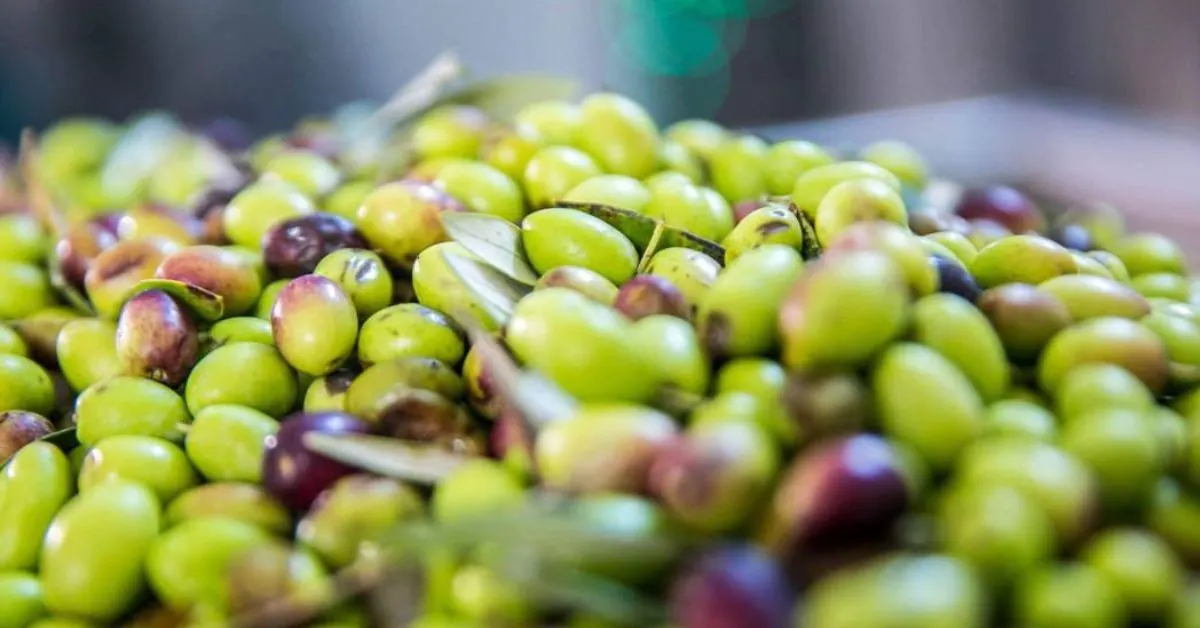
The Tunisian governorate of Zaghouan is expecting an olive oil production of around 13,000 tons for the current season, based on an estimated 65,000 tons of olives. This represents a slight decrease compared to the previous season. According to Fathi Al-Abyad, head of the Zaghouan Regional Union of Agriculture and Maritime Fishing, the production levels are influenced by a severe shortage of skilled labor in the harvesting process.
The shortage of skilled labor is attributed to many workers moving to industrial areas and factories in search of better opportunities. This has led farmers to call for increased subsidies and incentives to purchase modern harvesting machinery and equipment at affordable prices. Al-Abyad emphasized the need for early preparation for the season and concerted efforts from all stakeholders to address these challenges.
In the previous season, some farmers in Zaghouan adopted automated harvesting machines, which helped them overcome the labor shortage. The olive sector provides significant income for many farmers in the region, which has approximately nine million olive trees. The industry plays a vital role in supporting the local economy.
To support the sector's growth and development, a program in collaboration with the African Development Bank will provide and distribute nearly 100,000 olive tree seedlings to farmers. The goal is to expand the olive grove area in the region and enhance its production capacity over the coming years.
Zaghouan is one of Tunisia's key olive-producing regions, and the sector provides a significant source of income for local farmers. The production of olive oil is not only an essential part of the region's economy but also a vital component of Tunisia's agricultural industry.
Farmers and stakeholders are working together to address the challenges facing the sector, including the shortage of skilled labor and the need for modern equipment. The upcoming season's production levels will depend on various factors, including weather conditions and the effectiveness of measures implemented to support farmers.
The olive oil production in Zaghouan is expected to contribute significantly to Tunisia's overall production levels. The country's olive oil sector faces challenges, but with the support of initiatives like the one with the African Development Bank, there is potential for growth and development.
Key points
- Tunisia's Zaghouan governorate expects to produce 13,000 tons of olive oil this season.
- The production is influenced by a severe shortage of skilled labor in the harvesting process.
- A program with the African Development Bank will provide nearly 100,000 olive tree seedlings to farmers to expand the olive grove area.