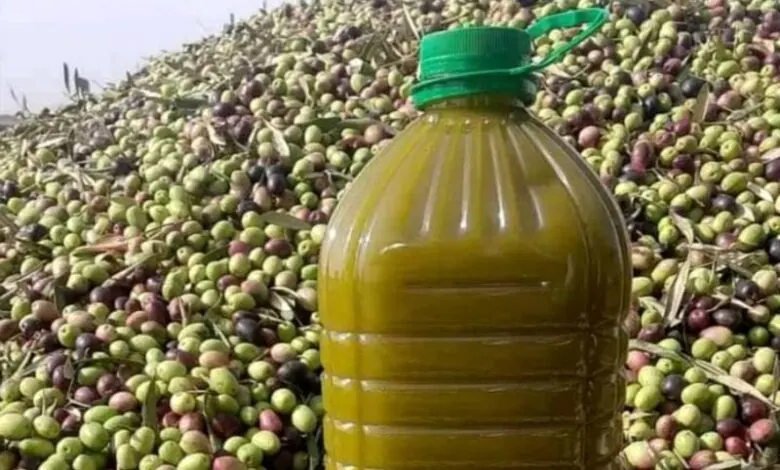
Tunisia's olive oil sector has shown significant growth in the 2025-2026 season, with production reaching approximately 500,000 tons. This represents a substantial increase of 47% compared to the previous season's 340,000 tons. The surge in production is a notable development for the country's agricultural economy. According to the Ministry of Agriculture, the olive tree covers over 2.1 million hectares, accounting for about 42% of the country's arable land.
The olive oil sector plays a vital role in Tunisia's agricultural economy, with around 309,000 farms relying on it as a source of income. The sector contributes about 10% to the country's agricultural production value and approximately 44% to its agricultural exports. In the past five years, Tunisia's annual olive oil exports have averaged around 212,000 tons. The growth in production and exports has been accompanied by an increase in organic olive oil exports, which reached 53,000 tons.
The Ministry of Agriculture attributes the growth in olive oil production to various initiatives and policies aimed at supporting farmers and promoting investment in the sector. These efforts include presidential decrees issued in November 2024 and the outcomes of the National Olive Council. The ministry has also prepared a plan to develop the olive oil sector within the 2026-2030 agricultural development plan.
Minister of Agriculture emphasized the importance of continued efforts to increase the value-added of Tunisian olive oil and enhance its competitiveness in global markets. This can be achieved through quality improvement, market diversification, and the promotion of packaged products with added value. The minister also stressed the need to address the challenges posed by climate change and to develop sustainable production systems.
A national workshop was held to discuss the development and sustainability of Tunisia's olive oil sector. The event brought together various stakeholders, including government officials, farmers, and industry experts. The discussions focused on four main areas: olive tree production and resilience to climate change, processing and valorizing by-products, markets and value-added products, and governance and partnerships.
The workshop aimed to establish a participatory dialogue among stakeholders to identify challenges, prioritize actions, and develop practical proposals to support the sector's sustainability and competitiveness. The minister emphasized that the development of the olive oil sector requires a collaborative effort from all stakeholders, including the government, farmers, and industry players.
The growth of Tunisia's olive oil sector has significant implications for the country's economy and food security. The sector provides a vital source of income for thousands of farmers and contributes substantially to the country's exports. With the right strategies and investments, Tunisia's olive oil sector is poised to continue its growth trajectory and consolidate its position in global markets.
Key points
- Tunisia's olive oil production reached 500,000 tons in the 2025-2026 season, a 47% increase from the previous season.
- Organic olive oil exports hit 53,000 tons, with total olive oil exports reaching 381,200 tons.
- The sector contributes about 10% to Tunisia's agricultural production value and approximately 44% to its agricultural exports.