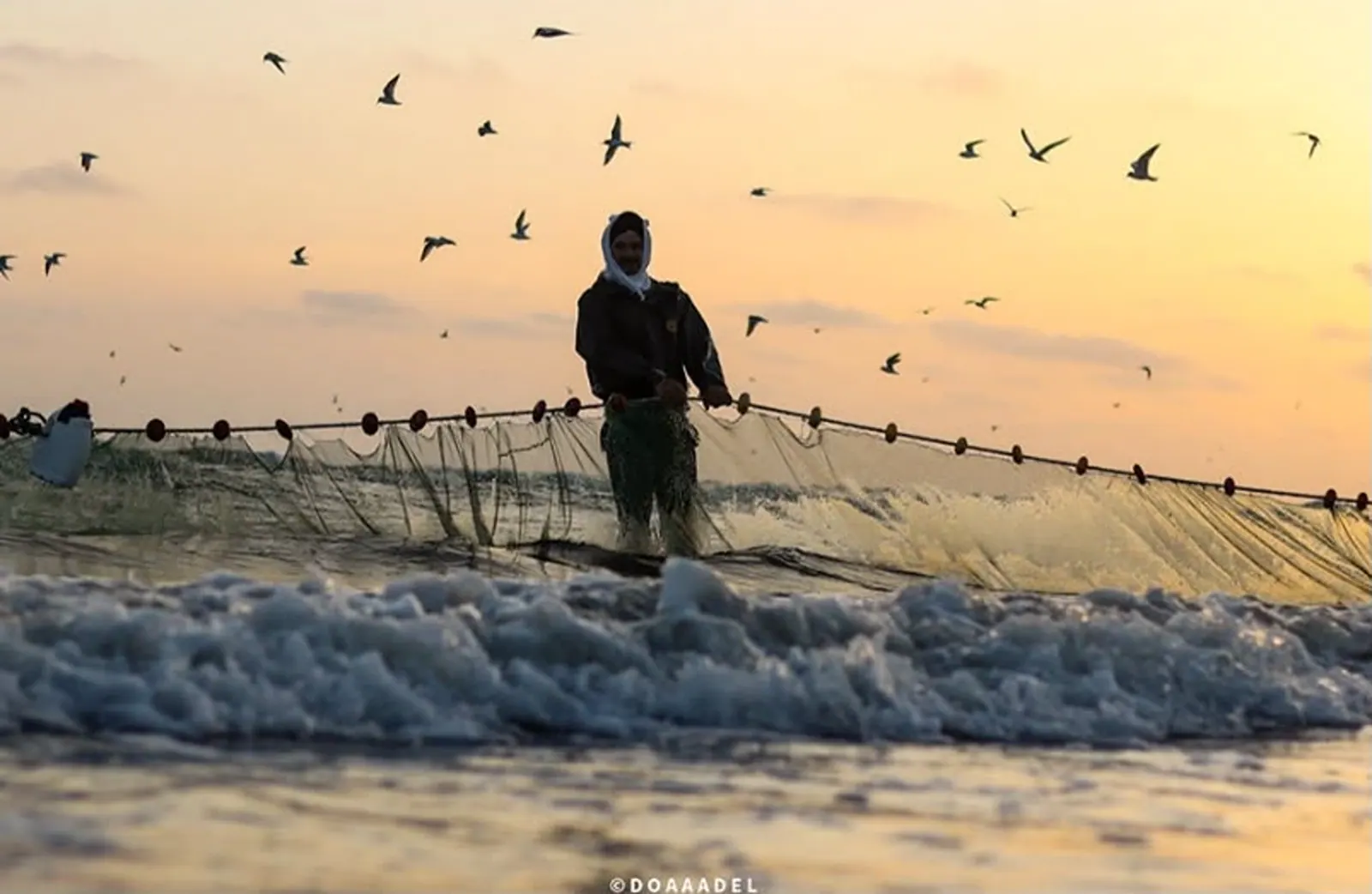
In Port Said, Egypt, two industries coexist: fishing and fashion. Moemen Sobh, founder of Visenleer, a social enterprise, has bridged these worlds by turning ocean waste into sustainable textiles. Born into a family of fishermen and fashion designers, Sobh's project brings together 1,800 local fisherfolk to transform discarded fish skin into textile material. With support from the Swarovski Foundation's Creatives for Our Future programme, Visenleer has upcycled 60,000 fish skins and diverted 20 tonnes of ocean-bound plastic.
Port Said is renowned for its seafood, with the city's unique location at the crossroads of the Mediterranean Sea and the Suez Canal offering an incredible variety of fish. The bolti fish, found in the region, has a distinct flavor profile due to the nutrient-rich waters of Lake Manzala. However, climate change is affecting the fish population, with fishermen reporting a decline in catches and changes in species. Sobh began engaging with fishermen in 2022, building relationships and understanding the challenges they face.
Fishermen in Port Said are witnessing a dramatic decline in catches, with a significant decrease in the quality and quantity of fish. In 2017, fishermen could catch 100 kilograms of fish, but now they only catch 20 kilograms. Some species have disappeared, and overfishing has reduced fish populations. Sobh notes that at least 12 native species have disappeared, and intensive fishing by large companies has further depleted fish stocks.
Pollution, including oil spills and marine pollution, is another threat to the marine environment and the communities that depend on it. In 2022 and 2023, there were at least three oil spills in Port Said, with one incident leaving children covered in oil. Industrial waste from fashion and textile manufacturing also contributes to the ecological problem, with some manufacturers dumping waste in Manzala Lake.
Visenleer aims to address these environmental pressures by transforming ocean waste into sustainable textiles. The brand is set to unveil its first full fashion collection this October. Sobh's project not only promotes sustainable fashion but also supports the local fishing community. By working with 1,800 fisherfolk, Visenleer is helping to reduce the environmental impact of the fishing industry and provide a new source of income for local communities.
The convergence of fishing and fashion in Port Said has led to innovative solutions to environmental challenges. Sobh's work with Visenleer demonstrates the potential for sustainable fashion to drive positive change in local communities. By transforming ocean waste into textiles, Visenleer is reducing waste and promoting eco-friendly practices in the fashion industry.
As the fashion industry continues to evolve, initiatives like Visenleer are crucial in promoting sustainable practices. With its unique approach to transforming ocean waste into textiles, Visenleer is setting an example for other fashion brands to follow. The brand's commitment to sustainability and community engagement has the potential to make a lasting impact on the fashion industry and the environment.
Key points
- Visenleer has upcycled 60,000 fish skins and diverted 20 tonnes of ocean-bound plastic.