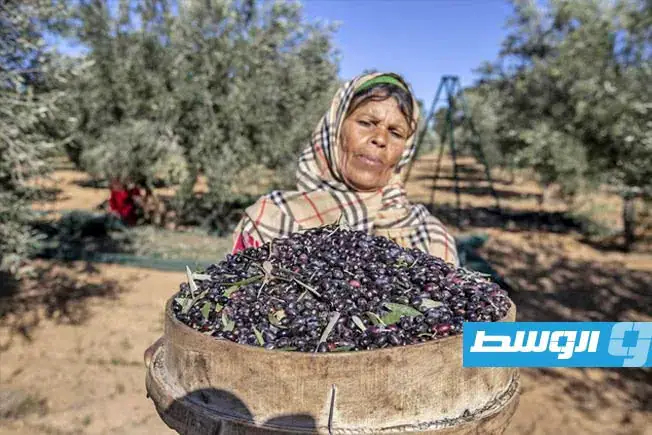
Tunisia, the world's second-largest olive oil producer, has seen a significant increase in its olive oil export revenues. According to the National Observatory of Agriculture, the country's olive oil exports rose by 39% to $1.7 billion during the 2025-2026 season. This growth is a welcome boost to Tunisia's economy, with the agricultural sector contributing around 10% to the country's GDP.
The increase in export revenues is attributed to a rise in the quantity of olive oil exported, which grew by 47.7% compared to the previous season. Tunisia exported 413,100 tons of olive oil during the 2025-2026 season. The country's olive oil production also reached a record high of 500,000 tons, surpassing the average of 303,000 tons over the past five seasons.
The majority of Tunisia's olive oil exports go to the European Union, which accounts for 54.8% of the country's total exports. North America is the second-largest market, accounting for 25.9% of exports. Tunisia's olive oil has been exported to over 98 countries worldwide. The country's agricultural sector is a significant source of foreign currency earnings.
Experts believe that Tunisia can increase its export earnings further if it provides support to investors in the canning and export of olive oil under branded labels. The country's olive oil sector has the potential to generate more revenue if it can tap into new markets and improve its production and export infrastructure.
The Tunisian government has been urged to provide financial support to farmers, particularly in light of the challenges posed by climate change. The country's agricultural sector is vulnerable to changes in weather patterns, which can impact crop yields and quality. The government has been working to improve the sector's resilience and competitiveness.
The growth in Tunisia's olive oil exports is a positive development for the country's economy. The sector provides employment and income opportunities for thousands of people, particularly in rural areas. The government's efforts to support the sector and improve its competitiveness are crucial to sustaining this growth and ensuring the long-term viability of the industry.
The increase in olive oil exports has also highlighted the need for Tunisia to diversify its economy and reduce its dependence on a few key sectors. The government has been working to promote economic diversification and attract investment in new sectors, such as manufacturing and tourism. The growth in olive oil exports provides a solid foundation for the country's economic development.
Key points
- Tunisia's olive oil exports rose by 39% to $1.7 billion in the 2025-2026 season.
- The country's olive oil production reached a record high of 500,000 tons during the 2025-2026 season.
- The European Union is the largest market for Tunisia's olive oil exports, accounting for 54.8% of the country's total exports.