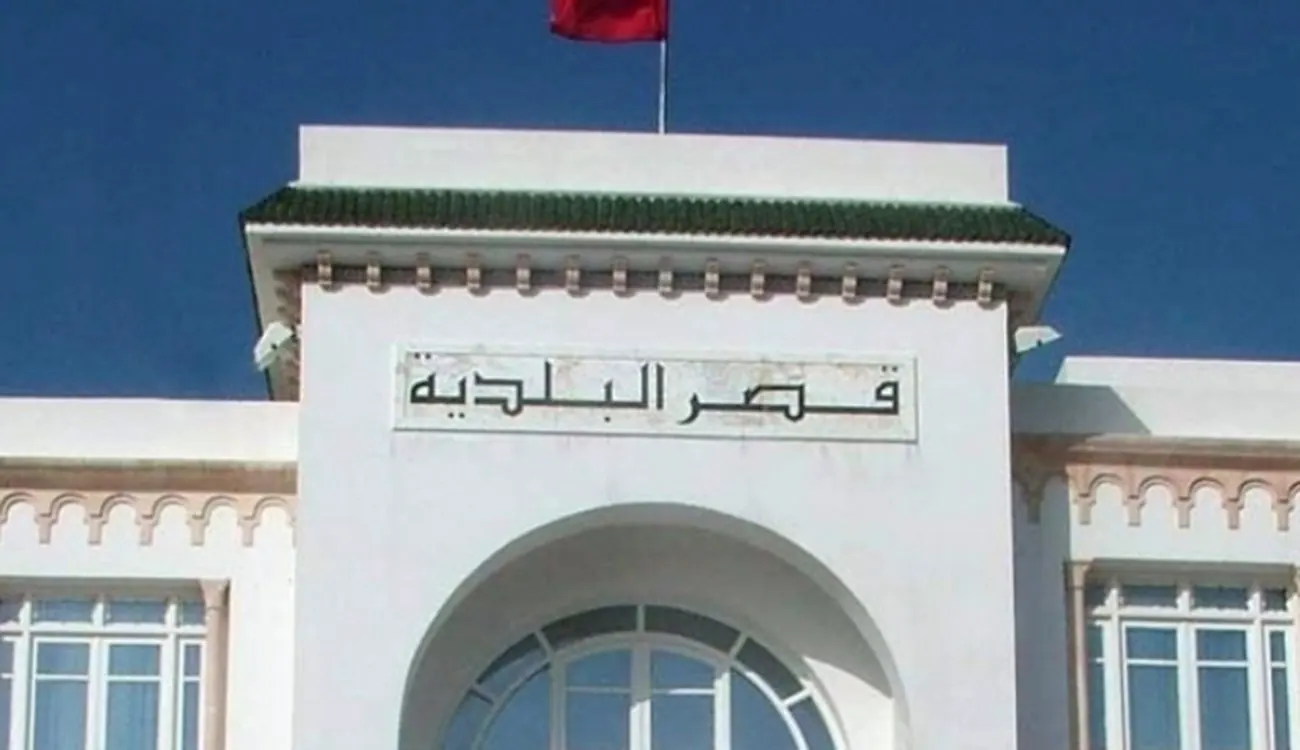
Tunisia has introduced a new decree governing municipal councils, marking the fifth legislative text since 1952. The decree, according to expert Mohamed Dhifi, strengthens the governor's control over municipal councils. Deliberations by councils are now subject to prior approval by the governor. This change has raised concerns about the autonomy of local councils. The decree aims to ensure coherence with the state's general policy and national development plans.
The new decree introduces significant changes to the mechanisms of control, with a greater emphasis on prior control. The governor's approval is now required for council deliberations. However, the decree also maintains the oversight powers of competent bodies, including the Court of Accounts. The changes aim to ensure better coordination between local and national levels. The decree also clarifies the role of municipal councils in managing local affairs.
The decree grants more importance to municipal councils in managing local affairs, while reducing the role of the mayor. Council members are required to declare their assets, but concerns have been raised about the body responsible for receiving and monitoring these declarations. The decree also introduces sanctions for absenteeism, including the possible revocation of council members who fail to attend meetings. This aims to ensure the regular functioning of councils.
The decree provides for indemnities for mayors, council members, and their deputies, including in municipalities where the mayor does not work full-time. The amount and allocation of these indemnities will be determined by regulatory texts. However, expert Mohamed Dhifi notes that municipal functioning in Tunisia still faces significant challenges. These challenges are not only related to the performance of officials but also to the vulnerability of the legal framework governing municipal action.
According to Mohamed Dhifi, the new decree constitutes an important evolution in the framework governing municipal action. However, its impact on the effectiveness of local services will depend on several factors. These include the clarity of competencies, the availability of necessary resources, and improved coordination between municipal and local councils. The decree also addresses the relationships between municipal councils and local councils, clarifying their respective roles.
The decree provides for the reorganization of the municipal police force, with a new status for agents. This will require time to finalize regulatory aspects and training programs. The agents will work under the authority of the municipal council, responsible for ensuring the application of decisions related to health, hygiene, and environmental protection. The decree also clarifies the status of secretaries general of municipalities, with changes to their administrative and financial remuneration.
Expert Mohamed Dhifi has called for the acceleration of municipal elections and the reconstitution of municipal councils. This will enable citizens to choose their representatives and ensure that councils have the necessary competencies and financial resources to implement their programs. The decree has sparked debate over its impact on local governance and the autonomy of municipal councils. Its implementation will be closely watched to assess its effectiveness in improving local services.
Key points
- The new decree strengthens the governor's control over municipal councils, requiring prior approval for council deliberations.
- The decree aims to ensure coherence with the state's general policy and national development plans.
- The decree introduces sanctions for absenteeism and provides for indemnities for mayors and council members.