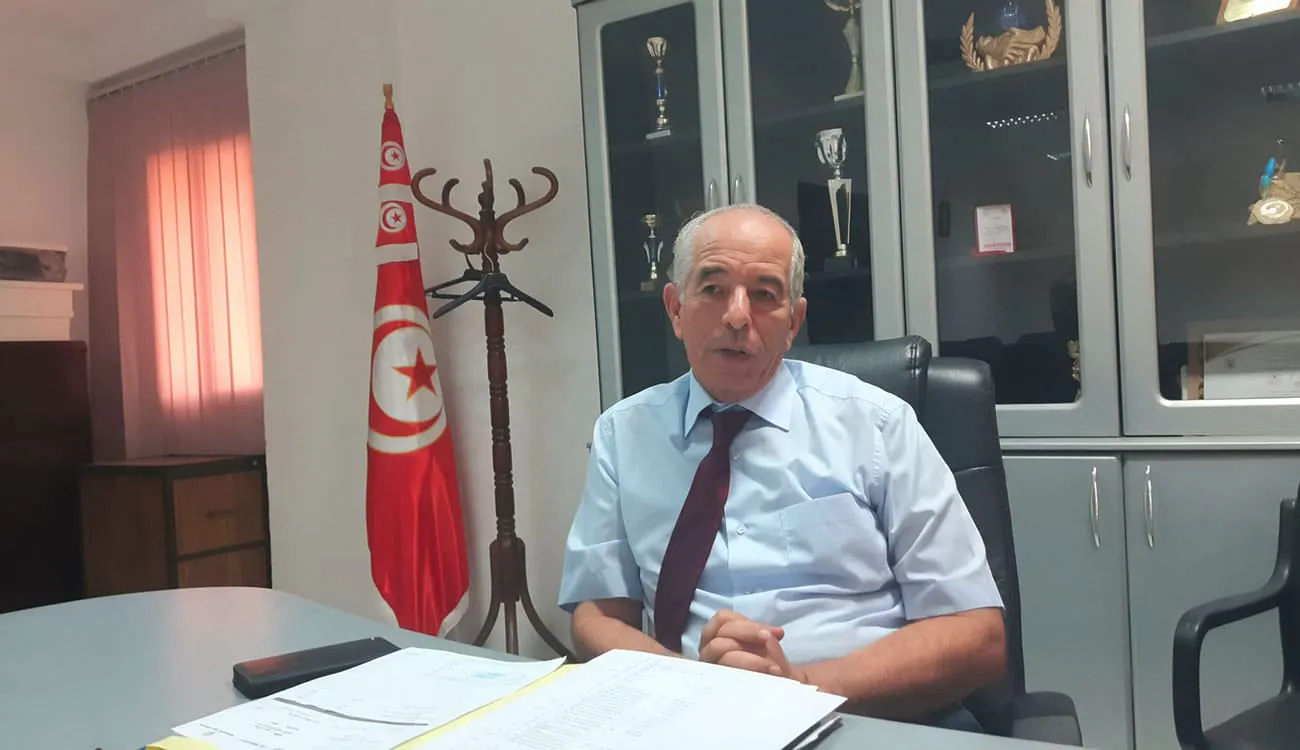
The healthcare sector in Tunisia's Nabeul region has experienced substantial growth in 2025 and 2026, with numerous projects completed, underway, or planned in infrastructure, equipment, and human resources. These initiatives focus on bringing healthcare services closer to citizens, ensuring access to specialized care, and optimizing the management of public health establishments. According to Sami Boudaouara, director regional de la santé de Nabeul, these efforts aim to promote solidarity and complementarity in healthcare.
One notable development is the expansion of intensive care services in the region. The number of intensive care beds has increased from 13 to 25 across the governate. A new intensive care unit with six beds opened at El Maamouri Hospital in May 2026, with plans for four additional beds. Furthermore, Tlatli Hospital is being equipped with an anesthesia-resuscitation service and two intensive care beds for pregnant women.
The pediatric and neonatology services at Tlatli Hospital have also been enhanced with new equipment and the establishment of a university surgical unit for children, staffed by four medical professionals. This development will improve medical services at the hospital and reduce pressure on the general surgery department at El Maamouri Hospital.
Emergency services in the region have received significant attention, with the implementation of the "Essentielle" (Saha Assiza) program in 2025. The program has provided equipment for emergency departments in all hospitals and laboratories, aiming to bring services closer to patients and better manage critical situations. A new emergency service was opened in Takelsa in May, staffed by three doctors, with plans to add two more.
The region has also seen advancements in dental care, with an increase in dental panoramic radiography units from three in 2024 to seven in 2025. Two more units are expected to be installed in Beni Khalled and Kelibia. Additionally, the region received six new dental chairs in 2025, with plans for further installations.
Infrastructure development has been a key focus, with the renovation of heating systems in El Maamouri and Menzel Temime hospitals, as well as the expansion of the Dar Chaâbane El Fehri health center. These projects aim to improve healthcare services and reduce the need for patients to travel to Nabeul.
Ongoing projects include the renovation of elevators at El Maamouri Hospital and the reorganization of internal circulation at Tlatli Hospital. The region's healthcare infrastructure is also being strengthened with new water reservoirs and electrical generators, ensuring a reliable supply of essential services.
Key points
- The Nabeul region's healthcare sector has seen significant investments in infrastructure, equipment, and human resources.
- New intensive care units and emergency services have been established to improve access to specialized care.
- Dental care services have been expanded, with increased availability of dental panoramic radiography units and dental chairs.