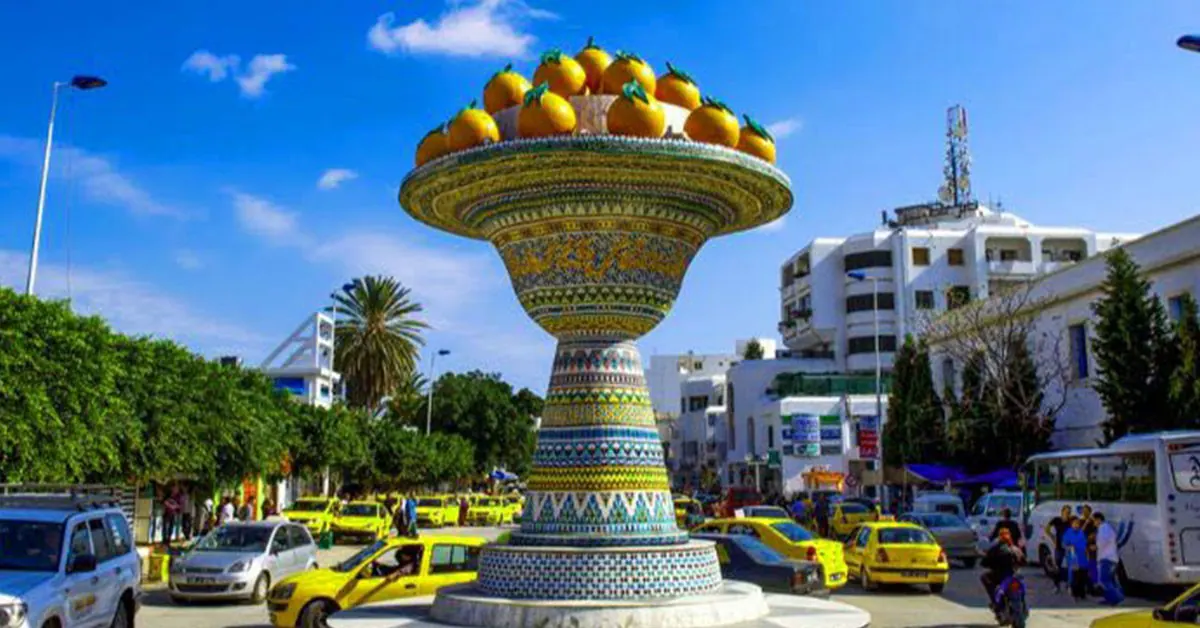
The handicraft village project in Nabel, Tunisia, has achieved significant progress, with 92% of the work completed. The project, which has a total cost of around 5.35 billion dinars, is a partnership between the National Office for Traditional Industries and the Nabel Governorate Council. The project aims to develop the traditional industries sector and create new job opportunities.
The project includes several facilities, such as the headquarters of the Regional Delegation for Traditional Industries, exhibition and conference halls, research and development workshops, and an experimental laboratory for ceramics. Additionally, the project features spaces for training and collaborative work, as well as permanent and temporary exhibition halls to showcase the region's handicraft specialties.
The handicraft village project in Nabel is designed to promote the development of traditional industries in the region, with a focus on ceramics, fibers, embroidery, and artistic metalwork. The project also aims to link artisans with designers and encourage young people to innovate and invest in this sector.
According to Sanaa Ben Mansour, the Regional Delegate for Traditional Industries in Nabel, the project is a significant step towards promoting traditional industries and creating new job opportunities in the region. The project is expected to have a positive impact on the local economy and help to preserve Tunisia's rich cultural heritage.
The Nabel governorate is known for its rich cultural heritage and traditional industries, including ceramics, textiles, and metalwork. The handicraft village project is part of a broader effort to promote and develop these industries, and to create new economic opportunities for local artisans and entrepreneurs.
The project's progress was announced recently, and it is expected to be completed soon. Once finished, the handicraft village will provide a platform for local artisans to showcase and sell their products, and will help to promote Tunisia's traditional industries both locally and internationally.
The project's success is expected to have a positive impact on the local community, and will help to promote economic development and job creation in the region. The handicraft village project is a significant initiative that will help to preserve Tunisia's cultural heritage and promote its traditional industries.
Key points
- The project has a total cost of approximately 5.35 billion dinars and aims to develop the traditional industries sector in Nabel governorate.
- The project includes several facilities, such as exhibition halls, workshops, and an experimental laboratory for ceramics.
- The project aims to create new job opportunities and promote economic development in the region.