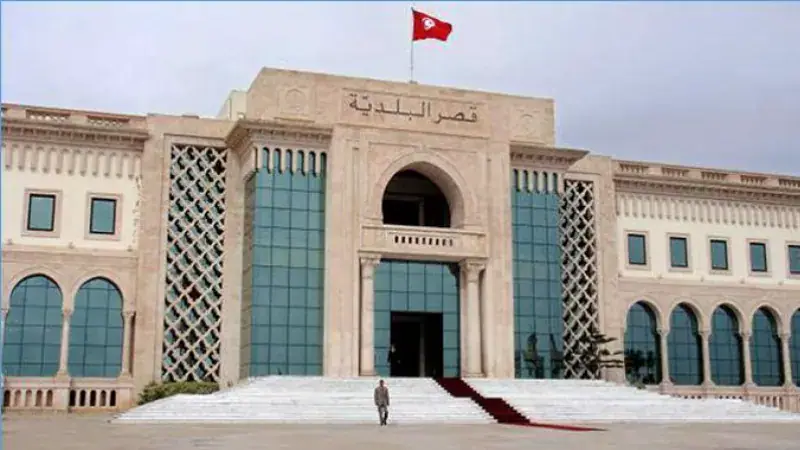
Tunisia's municipal council, specifically the city of Tunis, has organized a two-day training session on strategies for sensitizing and communicating with citizens about selective waste sorting. The training, which began on Monday, targets members of local councils, municipal officials, and civil society representatives from the neighborhoods of Menzah and Sijoumi. This initiative is part of preparations for implementing a pilot project on selective waste sorting at source, in partnership with the Mediterranean Cities Network, MedCities.
The pilot project, set to be implemented in the Menzah and Sijoumi neighborhoods in its first phase, aims to promote environmental and developmental goals by encouraging citizens to sort waste at source. The training session seeks to enhance the capacities of local officials and stakeholders, develop their communication and environmental awareness skills, and unify their vision on implementing the project. This, in turn, will ensure effective coordination among concerned parties and promote responsible environmental behavior among citizens.
The training session covers various topics related to communication and awareness-raising strategies for successful selective waste sorting. These include defining effective communication methods with citizens, selecting the most suitable channels for disseminating information, and utilizing traditional and digital media to reach different target groups. The importance of developing a comprehensive communication strategy based on good planning, unified awareness messages, and the use of conventional and digital communication tools was emphasized.
A key focus of the training is on adopting participatory and field-based approaches that are close to citizens, which can help simplify the concept of selective waste sorting and explain its environmental, health, and economic benefits. The role of municipal officials and local council members in guiding, accompanying, and encouraging citizens to actively engage in this system was also highlighted. Changing daily behaviors and instilling a culture of sorting waste at source require continuous awareness-raising efforts and direct, effective communication with residents.
The selective waste sorting project is being implemented in partnership with MedCities, a network of Mediterranean cities. This partnership aims to support the development of sustainable urban services and promote environmental protection in the region. By engaging citizens in the process of waste sorting, the project seeks to promote a culture of environmental responsibility and contribute to a cleaner, healthier environment.
The training session is part of a broader effort to enhance environmental governance and promote sustainable development in Tunisia. By building the capacities of local officials and stakeholders, the project aims to ensure the effective implementation of selective waste sorting and promote long-term environmental benefits. The project also seeks to raise awareness about the importance of waste management and encourage citizens to take an active role in protecting the environment.
The implementation of selective waste sorting in the Menzah and Sijoumi neighborhoods marks an important step towards improving environmental management in Tunisia. The project's success will depend on the active engagement of citizens and the effective coordination of concerned parties. With the support of MedCities and other partners, the municipal council is working to promote a culture of environmental responsibility and contribute to a more sustainable future for the city of Tunis.
Key points
- The training session aims to enhance the capacities of local officials and stakeholders to implement selective waste sorting effectively.
- The pilot project is being implemented in partnership with the Mediterranean Cities Network, MedCities.
- The project seeks to promote environmental and developmental goals by encouraging citizens to sort waste at source.