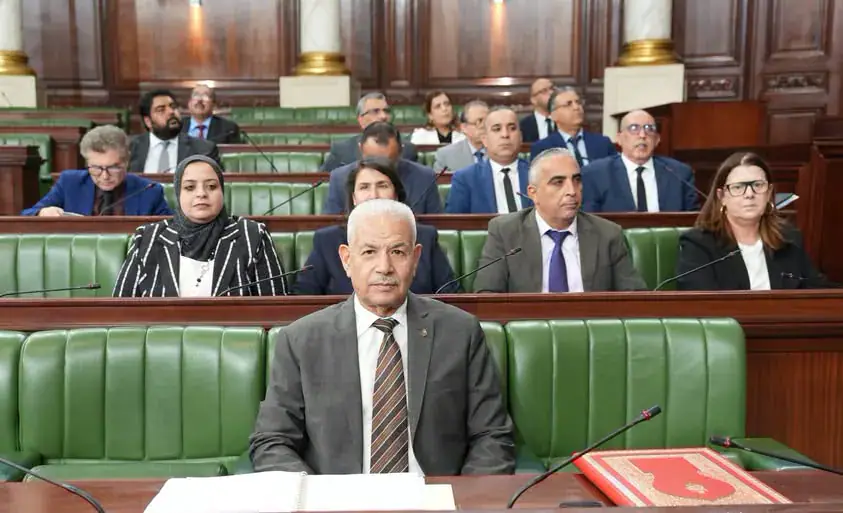
The Ministry of Trade and Export Development in Tunisia is set to restructure public institutions under its supervision and complete the digitalization of administrative services by 2027. This initiative is part of the ministry's 2027 work program, which also includes developing human resources and improving the performance of central and regional services. The program aims to enhance the governance of institutions under the ministry's supervision and improve their performance and productivity.
The restructuring of public institutions will be carried out to improve their performance and productivity, according to Minister of Trade and Export Development, Samir Obaid. The ministry will also continue to implement a program to modernize and digitalize administrative services, aiming to improve their quality and facilitate administrative and economic transactions. This effort is part of a broader initiative to develop the performance of the commercial administration.
The Ministry of Trade and Export Development is prioritizing the development of human resources, particularly the training and capacity-building of new employees. The first batch of new employees is set to complete their training program by the beginning of December 2026. The ministry is also working to improve the human and material capabilities of its various services, including the Economic Monitoring Device, to support its interventions and help it carry out its tasks in regulating the market and monitoring distribution channels.
The ministry's efforts are part of its five priorities for 2027, which include ensuring the regularity of supplies, protecting purchasing power, managing the support system, developing exports, and protecting national institutions. The ministry is working to implement these priorities, which are aimed at improving the performance of institutions under its supervision and enhancing the country's commercial sector.
The digitalization of administrative services is expected to improve the quality of services and facilitate transactions. The ministry is also working to develop programs to promote exports of olive oil, dates, and traditional industries, as well as protect national production. These initiatives are part of the ministry's efforts to support the country's economic development and improve its competitiveness.
The Ministry of Trade and Export Development is also working on creating a national plan to establish production markets and developing the commercial zone in Ben Qardan. The ministry is committed to working with various stakeholders to implement its 2027 work program and achieve its goals. The program's success is expected to have a positive impact on the country's economy and commercial sector.
The ministry's initiatives are expected to contribute to the country's economic growth and development. The completion of the digitalization of administrative services and the restructuring of public institutions are key components of the ministry's efforts to improve the business environment and support economic development. The ministry will continue to work towards achieving its goals and priorities for 2027.
Key points
- The Ministry of Trade and Export Development plans to complete the digitalization of administrative services by 2027.
- The ministry will restructure public institutions under its supervision to improve their performance and productivity.
- The ministry is prioritizing the development of human resources, particularly the training and capacity-building of new employees.