Tunisia's Minister of Equipment, Housing, and Industry, Ashraf Salah Al-Zawari, recently launched a study day focused on construction waste management and circular economy opportunities. The event, titled "Construction Waste between Valorization and Circular Economy: New Horizons for Sustainable Infrastructure," aimed to assess the country's progress in recycling construction materials and explore new avenues for sustainable development. Al-Zawari emphasized the need for a thorough evaluation of the current experience and its potential for expansion.
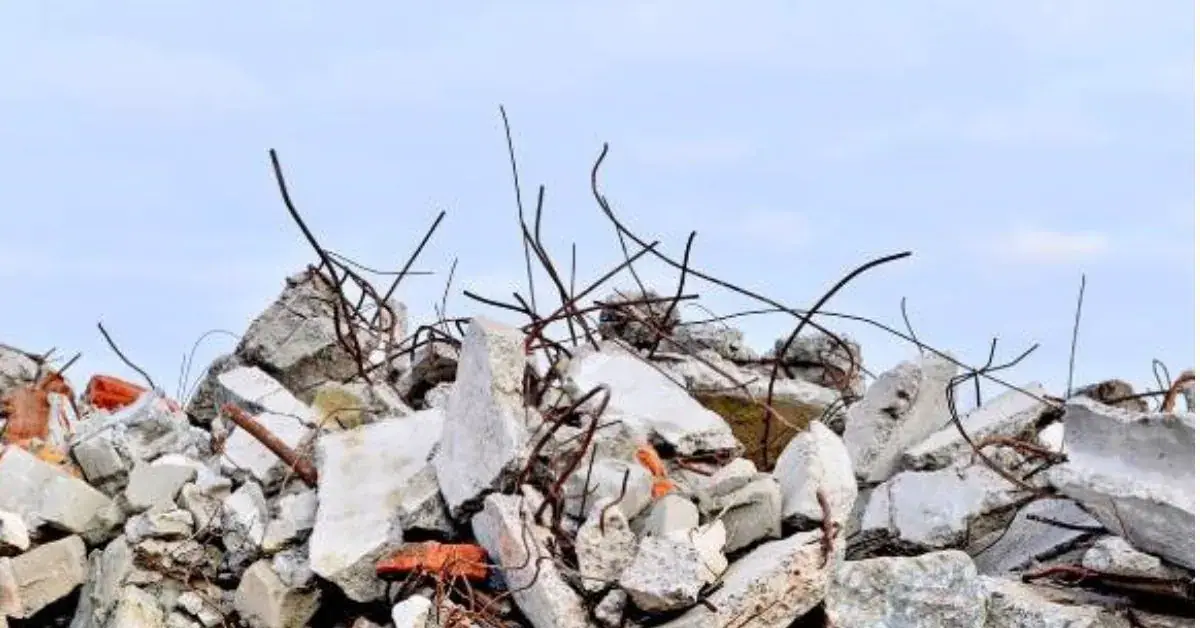
The minister highlighted the significant environmental and safety concerns posed by the disposal of construction waste, which often ends up on roadsides, blocking water drains, and causing urban landscape degradation. Studies have shown that the volume of construction waste in Tunisia amounts to around 14 million tons. By valorizing these materials, the ministry aims to reduce the consumption of natural resources and mitigate the environmental impact of construction activities.
To achieve this goal, the Ministry of Equipment has started incorporating the use of recycled construction materials into project requirements. Al-Zawari stressed that successful implementation will depend on effective coordination and engagement from all stakeholders in the sector. The ministry is exploring mechanisms to support this approach and encourages collaboration between public and private entities to promote sustainable infrastructure development.
The study day concluded with an open discussion on the prospects for developing the use of recycled materials in road and infrastructure projects. Participants exchanged views on the legal, technical, and economic requirements necessary for sector growth and emphasized the need for improved coordination among stakeholders. A roadmap for future action was proposed, focusing on shared vision and actionable recommendations.
Key stakeholders agreed on the importance of establishing a comprehensive framework for collecting, sorting, processing, and valorizing construction waste. This framework should provide the necessary conditions for expanding the use of recycled materials in public and private sector projects. By adopting this approach, Tunisia aims to promote sustainable development, reduce waste, and conserve natural resources.
The Ministry of Equipment's initiative aligns with Tunisia's efforts to enhance environmental protection and promote sustainable development. By incorporating recycled materials into infrastructure projects, the country can reduce its environmental footprint, conserve natural resources, and create new economic opportunities. The success of this initiative will depend on effective collaboration between stakeholders and a commitment to sustainable development.
Moving forward, the Ministry of Equipment will work closely with stakeholders to develop a comprehensive strategy for construction waste management and valorization. This strategy will aim to establish a circular economy approach, promoting the reuse and recycling of materials, and minimizing waste. By adopting this approach, Tunisia can create a more sustainable future for its infrastructure development and environmental protection.
Key points
- The Ministry of Equipment has started incorporating the use of recycled construction materials into project requirements to promote sustainable infrastructure development.