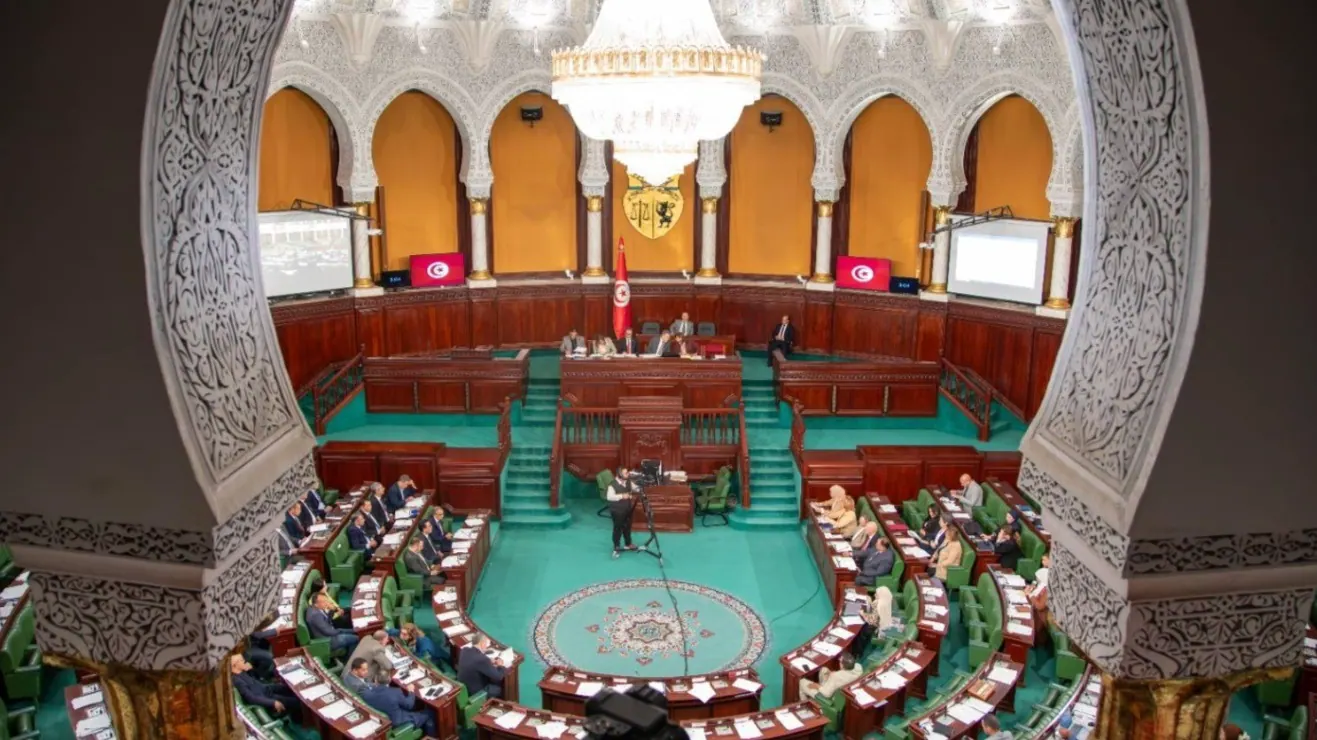
Tunisia's Legislative Committee has completed the approval of chapters for a draft law regulating the tax consultant profession. The committee, part of the country's parliament, held a session on Wednesday to review and approve the remaining chapters of the draft law. The approved chapters cover disciplinary procedures and related structures for individuals and professional companies. The committee's work was attended by its deputy chairman and several members.
The draft law, numbered 13/2023, aims to establish a regulatory framework for tax consultants in Tunisia. The approved chapters, numbered 54 to 74, focus on disciplinary procedures and transitional provisions. These provisions relate to the registration of tax consultants and the conditions for new registrants. The committee's decisions were made in accordance with existing laws, including Law No. 34 of 1960.
The Legislative Committee's work on the draft law involved reviewing various provisions and making amendments. The committee decided to postpone the vote on the entire draft law until all chapters have been finalized and any necessary adjustments made. The committee plans to continue its work on Thursday to address remaining issues related to the draft law.
The draft law on regulating the tax consultant profession is a significant development in Tunisia's efforts to improve its tax system. The law aims to establish clear guidelines and standards for tax consultants, enhancing the professionalism and accountability of this group. By regulating the profession, the government hopes to increase transparency and efficiency in tax collection.
Key aspects of the draft law include provisions for disciplinary procedures and transitional arrangements for existing tax consultants. The law will also establish a framework for the registration of new tax consultants. The committee's work on the draft law has involved careful consideration of various stakeholders' interests and concerns.
The Legislative Committee's approval of the draft law's chapters marks an important step towards the law's implementation. Once enacted, the law is expected to have a positive impact on Tunisia's tax system and economy. The government has been working to improve the business environment and attract investment, and this law is part of these efforts.
The committee's work on the draft law will continue on Thursday, with a focus on addressing any remaining issues. The law's implementation will depend on the finalization of its provisions and the approval of the parliament. The government and parliament are working together to ensure the law's effective implementation.
Key points
- The Legislative Committee has completed the approval of chapters for a draft law regulating the tax consultant profession in Tunisia.
- The draft law aims to establish a regulatory framework for tax consultants, enhancing professionalism and accountability.
- The law's implementation is expected to improve transparency and efficiency in tax collection, contributing to Tunisia's economic development.