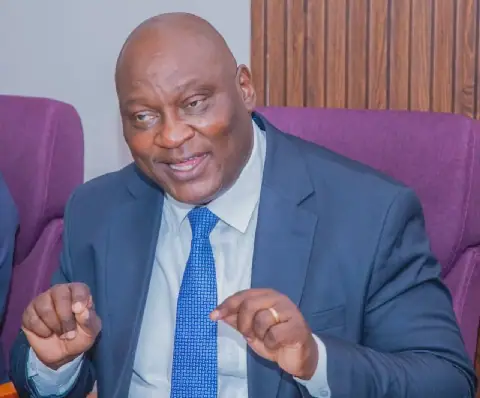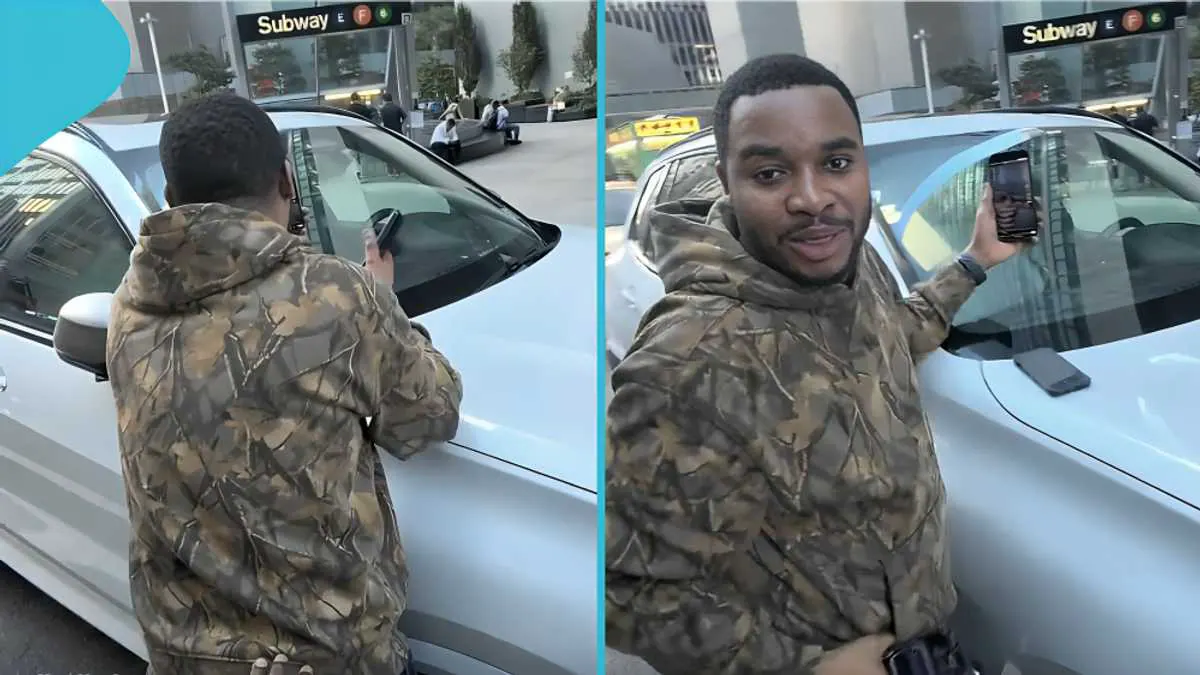
A video circulating online shows a Ghanaian man residing in the US confronting Twene Jonas, a US-based socialite, during a live video session. The man challenged Twene Jonas over his conduct on social media, specifically his habit of targeting government officials and groups with insults. The confrontation was sparked by Twene Jonas' recent remarks on the demolition of structures and a hotel along the Labadi Beach Front in Ghana.
The Ghanaian man approached Twene Jonas in a calm manner but was pointed in his criticism, arguing that such an approach was unacceptable regardless of the message being communicated. He also referenced a prior exchange between the two, during which he had already raised concerns with Twene Jonas about his habit of directing insults at Northerners specifically.
Twene Jonas is known for his outspoken commentary on Ghanaian politics and social affairs, often delivered in a blunt style that attracts both a loyal following and sharp criticism. His videos frequently target elected officials and institutions, drawing praise from some viewers who share his frustrations but condemnation from others who object to his language and tone.
The confrontation abroad adds to the debate around how Ghanaians in the diaspora engage with issues back home, and whether the manner of that engagement matters as much as the substance. The video of the confrontation was posted by TikTok user @alhaji6192 and has sparked a heated discussion online.
Twene Jonas had earlier challenged the Ghana Police Service to declare him wanted, following the service's move to issue a wanted declaration against a woman identified as Barbara Asantewaa Kodua, widely known as Ghana Jollof. This development has raised questions about the limits of free speech and the role of social media influencers in Ghanaian society.
The incident has sparked a wider conversation about the impact of social media on Ghanaian society and the responsibilities of online influencers. Many Ghanaians have taken to social media to share their thoughts on the confrontation and Twene Jonas' online style, with some calling for greater accountability and others defending his right to free speech.
The confrontation between the Ghanaian man and Twene Jonas highlights the complexities of online engagement and the challenges of navigating cultural and national identity in the digital age. As social media continues to play a growing role in Ghanaian society, incidents like this are likely to become more frequent, sparking important discussions about the limits of free speech and the responsibilities of online influencers.
Key points
- The confrontation between the Ghanaian man and Twene Jonas was sparked by Twene Jonas' habit of targeting government officials and groups with insults on social media.
- Twene Jonas is known for his outspoken commentary on Ghanaian politics and social affairs, often delivered in a blunt style that attracts both a loyal following and sharp criticism.
- The incident has sparked a wider conversation about the impact of social media on Ghanaian society and the responsibilities of online influencers.