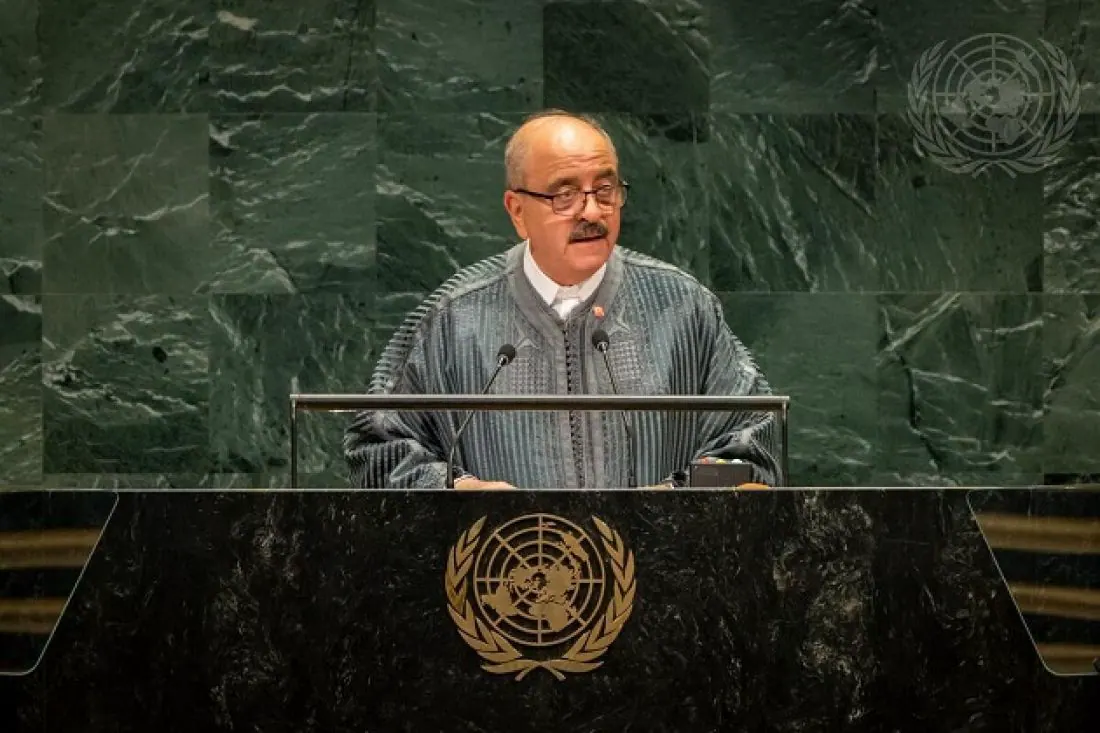
On September 26, 2026, Tunisian Foreign Minister Mohamed Ali al-Nafsi delivered a statement at the 81st session of the United Nations General Assembly. He emphasized Tunisia's stance on the ongoing Israeli settlement policies in the West Bank and the blockade of Gaza, urging the international community to assume its legal, moral, and humanitarian responsibilities. Al-Nafsi called for an end to these policies, which he described as a "historic injustice."
The situation in Palestine was a major concern for al-Nafsi, who described the humanitarian crisis in Gaza as "catastrophic." He stressed the need for safe, urgent, and sustained access to humanitarian aid and for the UN and its specialized agencies, including the UN Relief and Works Agency for Palestine Refugees (UNRWA), to carry out their duties fully. Al-Nafsi also expressed Tunisia's concern about the escalation of tensions in the Middle East and called for an immediate ceasefire and a return to dialogue and negotiation.
Turning to the situation in Libya, al-Nafsi stated that Tunisia supports any genuine Libyan effort and any serious UN initiative aimed at resolving the crisis through dialogue and consensus among all parties. This approach, he said, should preserve Libya's unity, sovereignty, and territorial integrity. On Sudan, al-Nafsi expressed Tunisia's deep concern about the ongoing war and reiterated its solidarity with the Sudanese people.
Al-Nafsi also emphasized Tunisia's commitment to the principle of African solutions to African problems, which he believes will strengthen the ownership of African countries and peoples in resolving their crises. He highlighted the importance of African mechanisms and institutions in maintaining peace and security. Furthermore, al-Nafsi called for a comprehensive and balanced approach to addressing irregular migration.
The Tunisian Foreign Minister pointed out that this approach should address the root causes of migration, including conflicts, poverty, economic and social disparities, and the absence of job opportunities and development. He stressed that this requires shared responsibility, solidarity, and cooperation among countries of origin, transit, and destination. Al-Nafsi also highlighted Tunisia's efforts to rescue and care for irregular migrants.
In addition to these issues, al-Nafsi reaffirmed Tunisia's rejection of being a transit or settlement country for irregular migrants who are victims of human trafficking networks. He emphasized Tunisia's commitment to protecting their dignity and rights and combating human trafficking and migrant smuggling. Furthermore, al-Nafsi expressed Tunisia's determination to continue its reform process.
The goal of this process, he said, is to consolidate a genuine democracy that guarantees the rights and freedoms of all citizens. Al-Nafsi also highlighted Tunisia's commitment to promoting the role of women in public life and decision-making and to combating all forms of violence and discrimination against them.
Key points
- Tunisia calls for an end to Israeli settlement policies in the West Bank and the blockade of Gaza.
- Tunisia supports a comprehensive and balanced approach to addressing irregular migration.
- Tunisia reaffirms its commitment to consolidating a genuine democracy and promoting the role of women in public life.