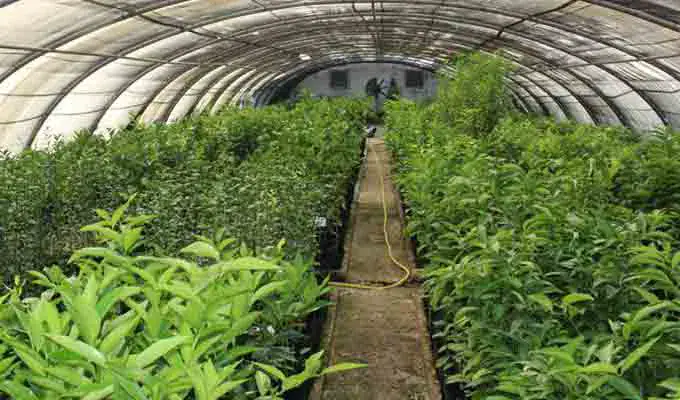
A regional seminar focused on protected and geothermal crops, as well as methods for combating insect vectors of viruses, was held in Kébili, Tunisia. The event was organized by the Technical Center for Protected and Geothermal Crops in partnership with the Regional Agricultural Development Commission. The seminar brought together representatives from relevant administrations, farmers, and stakeholders from the banking and insurance sectors to discuss the development of these crops and protection of agricultural production.
Mabrouk Ghiloufi, Director General of the Technical Center for Protected and Geothermal Crops, stated that the area dedicated to these crops in the Kébili governorate currently stands at approximately 90 hectares. He emphasized that the sector, primarily composed of small producers, requires better collective organization, such as cooperative or community-based societies, to facilitate access to plants and phytosanitary products.
Ghiloufi also highlighted the challenges faced by the sector, including the impact of climate change, damage from strong winds and hail, the spread of pests and diseases, rising production costs, and marketing difficulties. He called on farmers to establish a common platform for collecting and exporting their produce, stressing the importance of external markets in improving their income.
The export potential of protected and geothermal crops was also emphasized by Naïma Mahfoudhi, Director General of Plant Health and Control of Agricultural Inputs at the Ministry of Agriculture. She noted that these crops enable the market to be supplied outside of seasonal production periods and present significant export opportunities. Mahfoudhi also stressed the need to address farmers' concerns and seek solutions within an integrated national strategy.
Farmers in attendance called for increased support for the sector, particularly in the face of losses caused by natural disasters, debt, rising production costs, and issues related to water salinization and the shutdown of certain geothermal wells. The seminar also featured presentations on compensation mechanisms for agricultural calamities, insurance systems, and new developments in agricultural credits and subsidies.
The event included discussions on methods for controlling insect vectors of viruses in the context of climate change. The seminar concluded with on-site visits to several geothermal crop projects and the distribution of phytosanitary products to farmers. The initiative aims to promote the development of protected and geothermal crops in the region.
Key points from the seminar include the current 90-hectare area dedicated to protected and geothermal crops in Kébili, the need for better collective organization among small producers, and the importance of external markets and integrated national strategies for the sector's growth.
Key points
- The seminar highlighted the potential of protected and geothermal crops for export and the need for collective organization among small producers.
- The sector faces challenges such as climate change, rising production costs, and marketing difficulties.
- The event promoted increased support for farmers, including compensation mechanisms for agricultural calamities and insurance systems.