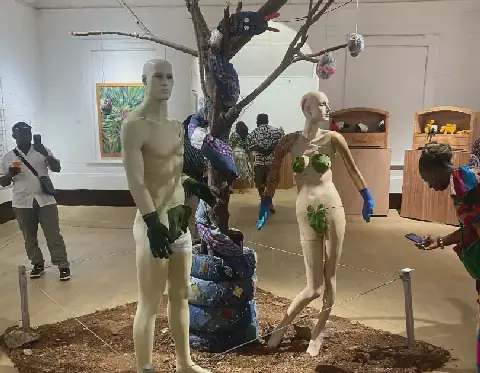
The House of Novel in Tunisia has concluded its fifth edition of the Tunisian Novel Festival, which was held in the city of Gabes from October 23 to 25. The festival, titled "The Green Novel," aimed to explore the relationship between literature and the environment. This theme has gained significant attention globally, as it is considered a pressing human issue that requires collective action. The festival was organized under the supervision of the Ministry of Cultural Affairs, in collaboration with the Regional Library of Gabes and the cultural institution "Comar."
The festival featured various sessions with renowned writers, critics, and academics, who presented studies and testimonies on the green novel and environmental issues. The sessions covered topics such as the concept of the green novel, its relationship with identity formation, and the aesthetics of writing in green narrative. Other sessions explored the green novel's relevance to contemporary global challenges. The festival's program included twenty presentations, which were compiled into a collective book distributed during the opening ceremony.
According to Yunes Al-Sultani, director of the House of Novel, the organization chose to focus on the green novel to contribute to raising awareness about environmental risks and promoting sustainable practices. Al-Sultani emphasized that everyone has a role to play in addressing environmental challenges, including politicians, economists, scientists, artists, and writers. He highlighted the need for collective action to mitigate the impact of natural disasters, climate change, water scarcity, and the depletion of natural resources.
The festival provided a platform for participants to engage in discussions and debates about the green novel and its significance in contemporary literature. Al-Sultani noted that the festival's outcomes would be built upon in future events, aiming to find solutions to the pressing environmental issues. The House of Novel has established itself as a hub for literary and cultural activities in Tunisia, promoting innovative ideas and fostering dialogue among intellectuals and artists.
The green novel has emerged as a significant literary genre, reflecting the growing concern about environmental degradation and its impact on human societies. The festival's focus on this theme underscored the importance of literature in shaping public awareness and promoting environmental stewardship. By engaging writers, critics, and academics in discussions about the green novel, the festival contributed to a deeper understanding of the complex relationships between literature, culture, and the environment.
The House of Novel's initiative to explore the green novel has resonated with the broader cultural and intellectual community in Tunisia. The festival's collaboration with various cultural institutions and stakeholders demonstrated the potential for collective action in promoting environmental awareness and sustainable practices. As the environmental challenges facing Tunisia and the world continue to grow, the House of Novel's efforts to raise awareness and inspire action through literature and cultural events are likely to gain increasing significance.
The conclusion of the fifth edition of the Tunisian Novel Festival marked a significant milestone in the House of Novel's ongoing efforts to promote literary and cultural innovation in Tunisia. By focusing on the green novel and environmental issues, the festival has contributed to a growing body of work that seeks to address the complex challenges facing human societies in the 21st century. As the House of Novel looks to future events and initiatives, its commitment to exploring the intersections between literature, culture, and the environment is likely to remain a key aspect of its programming.
Key points
- The House of Novel in Tunisia has concluded its fifth edition of the Tunisian Novel Festival, focusing on the green novel to raise awareness about environmental risks.