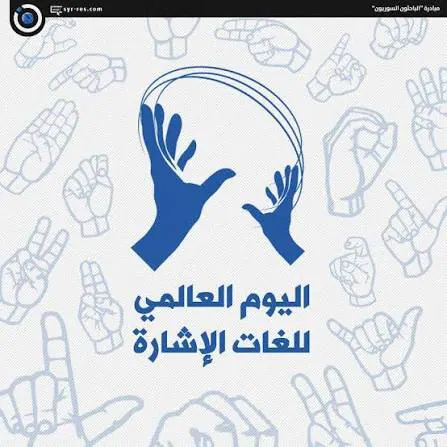
The High Commission for Human Rights in Tunisia, on Wednesday, emphasized that recognizing sign languages, facilitating access to them, and promoting their use is a fundamental step towards ensuring equality and respect for the rights of deaf individuals. This statement was made on the occasion of the International Day of Sign Languages, which falls on September 23rd every year. The commission highlighted the importance of guaranteeing everyone's right to communicate, express themselves, and participate fully and effectively in society without discrimination.
The International Day of Sign Languages, which was first celebrated in 2018, serves as an opportunity to remind people of the significance of sign languages as a primary means of communication for deaf individuals and an essential element of their cultural and linguistic identity. The theme for 2026, "Declaration of Human Rights for Deaf People," calls for action to make human rights for deaf individuals a reality in all areas of life, emphasizing the importance of recognizing, protecting, and promoting these rights.
According to the United Nations, there are over 300 national sign languages used by deaf communities worldwide, which are considered equal to spoken languages. Although "International Sign" is sometimes used in global meetings and events, these national sign languages are unique to their respective countries. The United Nations recognizes the importance of these languages and encourages their use.
Tunisia has recognized sign languages and encourages their use, as stated in the Convention on the Rights of Persons with Disabilities, which the country ratified on February 11, 2008. The convention emphasizes that sign languages have equal status to spoken languages and obliges states to facilitate the learning of sign languages and promote the linguistic identity of the deaf community.
The recognition of sign languages is crucial for the social and economic integration of deaf individuals. By facilitating communication, deaf people can participate fully in education, employment, and other aspects of life. This, in turn, can help to reduce the disparities faced by deaf communities and promote a more inclusive society.
The High Commission for Human Rights in Tunisia reiterated its commitment to promoting and protecting the rights of deaf individuals, including their right to communicate and participate fully in society. The commission's statement highlights the importance of raising awareness about sign languages and promoting their use in all areas of life.
The International Day of Sign Languages serves as a reminder of the challenges faced by deaf individuals and the importance of promoting their rights and inclusion. By recognizing and promoting sign languages, governments and societies can help to create a more inclusive and equitable environment for all individuals, regardless of their abilities.
Key points
- Recognizing sign languages is crucial for ensuring equality and respect for the rights of deaf individuals.
- The International Day of Sign Languages serves as an opportunity to promote awareness and inclusion.
- Tunisia has recognized sign languages and encourages their use, as stated in the Convention on the Rights of Persons with Disabilities.