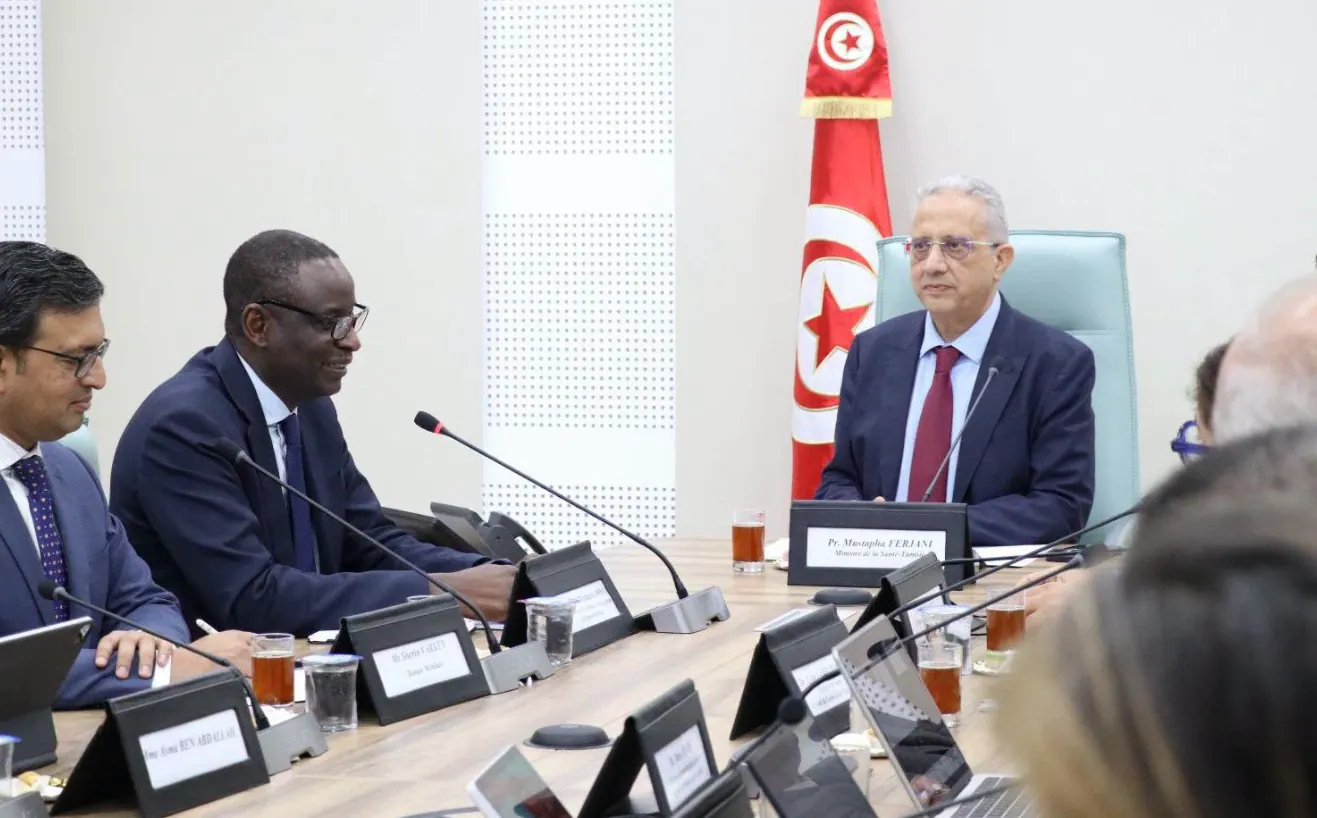
Tunisia's Minister of Health, Mustafa Al-Ferjani, has stated that the country's health sector plays a crucial role in driving economic growth. The sector not only ensures the sustainability of human capital and improves productivity but also generates significant economic returns through pharmaceuticals and medical tourism. According to Al-Ferjani, Tunisia exports pharmaceuticals to over 25 countries worldwide.
The country's medical tourism industry is another significant contributor to its economy. Tunisia's expertise in medicine and surgery, as well as its wellness and spa facilities, attract thousands of visitors each year. The minister cited previous estimates that suggest Tunisia receives over 500,000 individuals for medical procedures and more than 2 million visitors annually. This makes the health sector one of the key areas with significant economic returns and potential for job creation.
In addition to traditional healthcare services, Tunisia is also investing in digital health technologies. Al-Ferjani emphasized that this sector is part of a comprehensive policy aimed at developing healthcare infrastructure, supported by strong political will. The recent International Conference on Digital Health, held in Tunisia from September 29 to October 1, 2026, provided a platform for collaboration with international organizations, countries, and companies.
The conference, which drew participation from over 35 countries and global experts, including ministers, resulted in several cooperation agreements between Tunisian institutions and foreign partners. Al-Ferjani highlighted that Tunisia is one of only five countries worldwide that has entered the digital hospital space, alongside Britain, Saudi Arabia, Singapore, and Jordan. This underscores the significance of Tunisia's experience in digital health transformation.
The Tunisian government has also taken steps to enhance its healthcare system. Al-Ferjani noted that designating certain hospital sections as university hospital departments aims to create dynamism within healthcare institutions. This move is expected to attract resident doctors and interns, supporting education, training, and practical supervision.
Furthermore, the minister emphasized that these efforts are part of a broader strategy to improve healthcare services. By investing in healthcare infrastructure and digital technologies, Tunisia aims to strengthen its position as a regional hub for medical tourism and pharmaceuticals. The country's expertise in these areas is expected to drive economic growth and create new opportunities.
Overall, Tunisia's health sector is poised for significant growth, driven by its expertise in pharmaceuticals, medical tourism, and digital health technologies. With continued investment in healthcare infrastructure and international cooperation, the sector is expected to make a substantial contribution to the country's economy.
Key points
- Tunisia exports pharmaceuticals to over 25 countries worldwide.
- The country receives over 500,000 individuals for medical procedures and more than 2 million visitors annually.
- Tunisia is one of only five countries worldwide that has entered the digital hospital space.