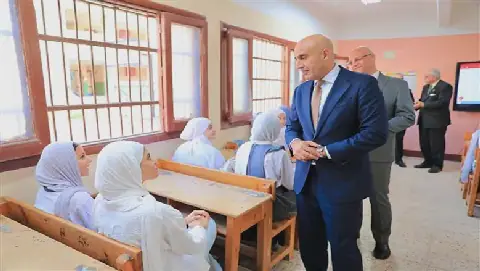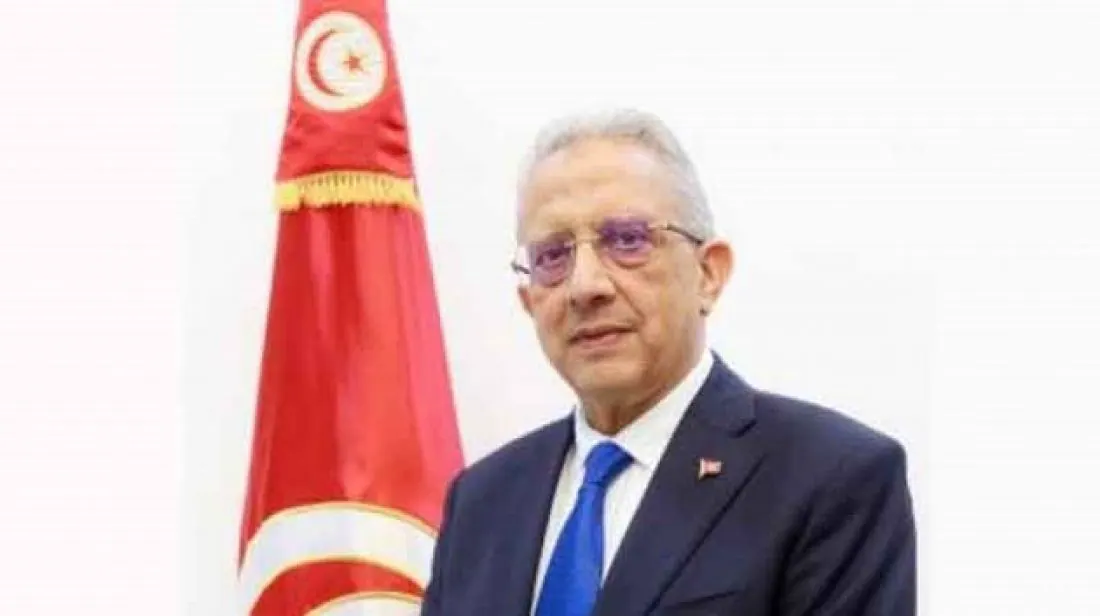
On September 29, 2026, the Minister of Health, Mustafa Al-Ferjani, attended the opening of the International Conference on Digital Health, "Telehealth Connect 2026." He stated that digitalization is an essential tool for achieving equity in access to healthcare services, particularly for specialized medicine. The conference brought together over 35 countries, international organizations, and Tunisia's partners to exchange experiences and strengthen cooperation.
The conference aimed to promote the exchange of experiences, share Tunisia's expertise, and foster African, Arab, Mediterranean, and international cooperation, with a focus on supporting disadvantaged groups in accessing healthcare services. Minister Al-Ferjani emphasized that digitalization can help bridge the healthcare gap, ensuring that everyone has access to quality healthcare, regardless of their geographical location or socio-economic status.
Since its inception, the Digital Hospital has enabled over 120,000 remote radiology examinations. This achievement demonstrates the potential of digitalization in improving healthcare services, particularly in remote or underserved areas. The Minister highlighted the importance of digitalization in enhancing healthcare outcomes and reducing disparities in access to healthcare.
Minister Al-Ferjani outlined three key requirements for the successful implementation of digital health solutions. Firstly, equity is crucial, ensuring that the benefits of digitalization are inclusive and accessible to all, including those in remote areas, the elderly, and people with disabilities. Secondly, trust is essential, requiring the protection of health data and ensuring the security of healthcare institutions.
The Minister emphasized the need for human accompaniment to be available to all, ensuring that digitalization complements, rather than replaces, human care. He also stressed the importance of evaluating artificial intelligence in real-world settings, under human supervision, with clear accountability and respect for patient dignity.
The third requirement highlighted by Minister Al-Ferjani is sustainability, which involves establishing systems that can securely exchange information, having qualified professionals, and securing funding for service maintenance and development. This ensures that digital health solutions are not only implemented but also maintained and improved over time.
The International Conference on Digital Health, "Telehealth Connect 2026," provided a platform for stakeholders to discuss the opportunities and challenges of digitalization in healthcare. The Minister's emphasis on equity, trust, and sustainability underscores the importance of a comprehensive approach to digital health, one that prioritizes the needs of all individuals and communities.
Key points
- Digitalization is a crucial tool for achieving equity in access to healthcare services in Tunisia.
- The Digital Hospital has enabled over 120,000 remote radiology examinations since its inception.
- Minister Al-Ferjani emphasized three key requirements for digital health solutions: equity, trust, and sustainability.