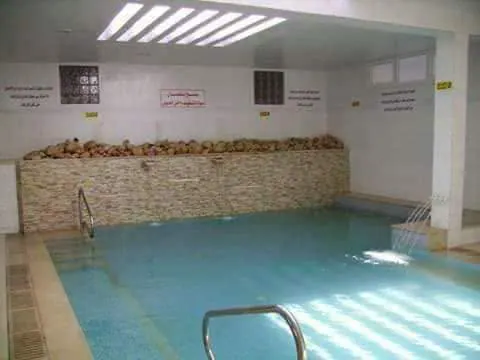
Tunisia's Hammamet city is renowned for its mineral water therapy, attracting nearly 3 million visitors annually. According to Muhammad Sakhiri, Director of Investment at the National Office of Mineral Waters and Water Therapy, Hammamet boasts approximately 25% of the country's spas dedicated to mineral water therapy. This significant influx of visitors highlights the city's importance in the country's healthcare and tourism sectors.
The city's popularity can be attributed to its rich mineral water resources, which are believed to possess healing properties. The Tunisian government is committed to developing the region's infrastructure to accommodate the growing number of visitors. Plans are underway to construct a new hospital in Mlawiya and revive the Ain Al-Zarat spa, further enhancing Hammamet's reputation as a premier destination for mineral water therapy.
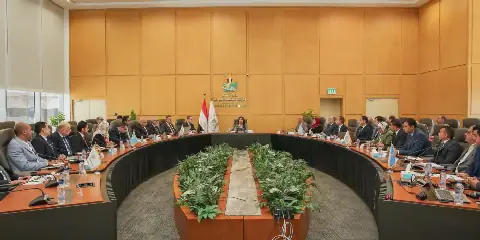
As part of the Partnership and Investment Days in Gabes, stakeholders gathered to discuss opportunities for growth and development in the region. The events aim to promote sustainable investment and financial inclusion, aligning with the goals of the United Nations Development Programme. The regional meeting focused on strategies to boost economic growth and create new opportunities for local communities.
The Hammamet region is set to benefit from a new tourism project, which includes the development of a medical tourism city in Khabayat, a western delegation of Hammamet. This ambitious project aims to diversify the region's economy and provide new services for visitors. By investing in infrastructure and services, the government hopes to increase the city's appeal to tourists and medical tourists alike.
In line with these efforts, the government is working to improve the overall visitor experience in Hammamet. This includes upgrading existing facilities and developing new ones to cater to the growing demand for mineral water therapy. By providing high-quality services and amenities, the city aims to maintain its position as a leading destination for those seeking therapy and relaxation.
The significance of Hammamet's mineral water therapy extends beyond its economic benefits, as it also contributes to the country's healthcare system. The city's spas and hospitals offer a range of treatments for various health conditions, making it an attractive destination for those seeking alternative therapies. As the city continues to develop, it is likely to play an increasingly important role in Tunisia's healthcare and tourism sectors.
The Partnership and Investment Days in Gabes have provided a platform for stakeholders to discuss the potential for growth and development in the region. With a focus on sustainable investment and financial inclusion, the events aim to promote economic growth and create new opportunities for local communities. As Hammamet continues to attract visitors from around the world, its reputation as a premier destination for mineral water therapy is set to endure.
Key points
- Hammamet attracts 3 million visitors annually for mineral water therapy.
- The city boasts approximately 25% of Tunisia's spas dedicated to mineral water therapy.
- A new medical tourism city is set to be developed in Khabayat, Hammamet.