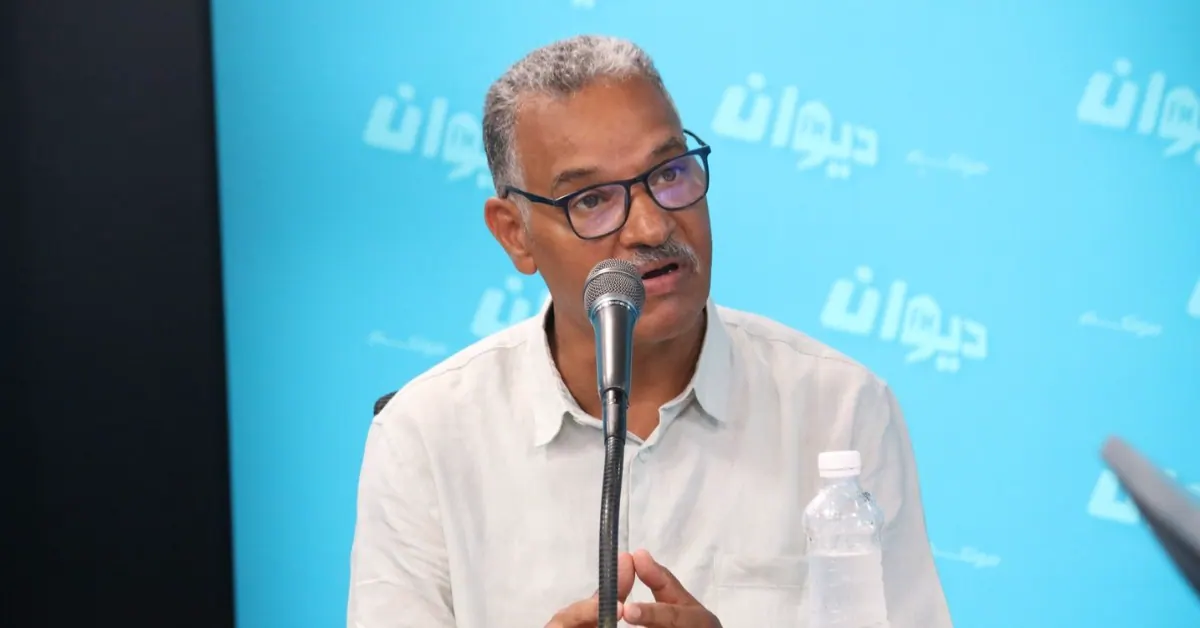
Tunisia's water crisis has evolved into a permanent issue, driven by factors such as climate change and reduced rainfall. According to Hussein Rahili, a specialist in water resource development and management, the country's water scarcity problem is no longer limited to the summer season or high temperatures. Rahili made these remarks during a press conference on the sidelines of a recent event.
The per capita share of water resources in Tunisia has decreased to less than 400 cubic meters per year, which is less than half the global average. Rahili warned of growing pressure on water resources, citing the widespread presence of random wells that pose a threat to water security. There are over 33,000 random wells in the country, contributing to the over-exploitation of groundwater.
Rahili highlighted that the exploitation of groundwater resources has exceeded 133%. He also noted that water waste is a significant issue, with around 30% of water used for irrigation being lost. Furthermore, 41% of the water used by the National Company for Water Exploitation and Distribution (SONDE) remains unmetered.
The specialist emphasized the need to reassess Tunisia's water policy and strengthen resource governance. He also stressed the importance of prioritizing investment in the water sector to reduce waste and ensure the sustainability of water resources. Rahili advocated for improving the quality of drinking water to encourage Tunisians to consume it and reduce their reliance on bottled water.
The issue of water scarcity has significant implications for Tunisia's food security and small farmers. A recent press conference organized by the Nomad 08 association and the Tunisian Water Observatory highlighted the worrying indicators of the country's water situation during the 2026 summer season. The event aimed to shed light on the "map of thirst" and the frequency of drinking water outages.
Rahili's warnings underscore the urgent need for a comprehensive approach to address Tunisia's water crisis. The country's water resources are under strain, and the situation is likely to worsen if no action is taken. The government and relevant stakeholders must work together to develop effective solutions to this pressing issue.
The Tunisian government has made progress in the health sector, according to a UN coordinator. However, the country's water crisis requires immediate attention and action. Investing in the water sector and promoting water conservation practices can help mitigate the effects of water scarcity and ensure a more sustainable future for Tunisia.
Key points
- Groundwater exploitation in Tunisia has exceeded 133%.
- The country's per capita share of water resources has decreased to less than 400 cubic meters per year.
- Water waste is a significant issue in Tunisia, with around 30% of water used for irrigation being lost.