Tunisia has been investing heavily in grand road infrastructure projects for decades, with little consideration for their impact on the economy or regional balance. The latest project, announced by the Minister of Equipment and Housing, is estimated to cost around 7 billion dinars and aims to connect regions and stimulate economic growth. However, critics argue that such projects are not only costly but also ineffective in addressing the country's transportation needs.
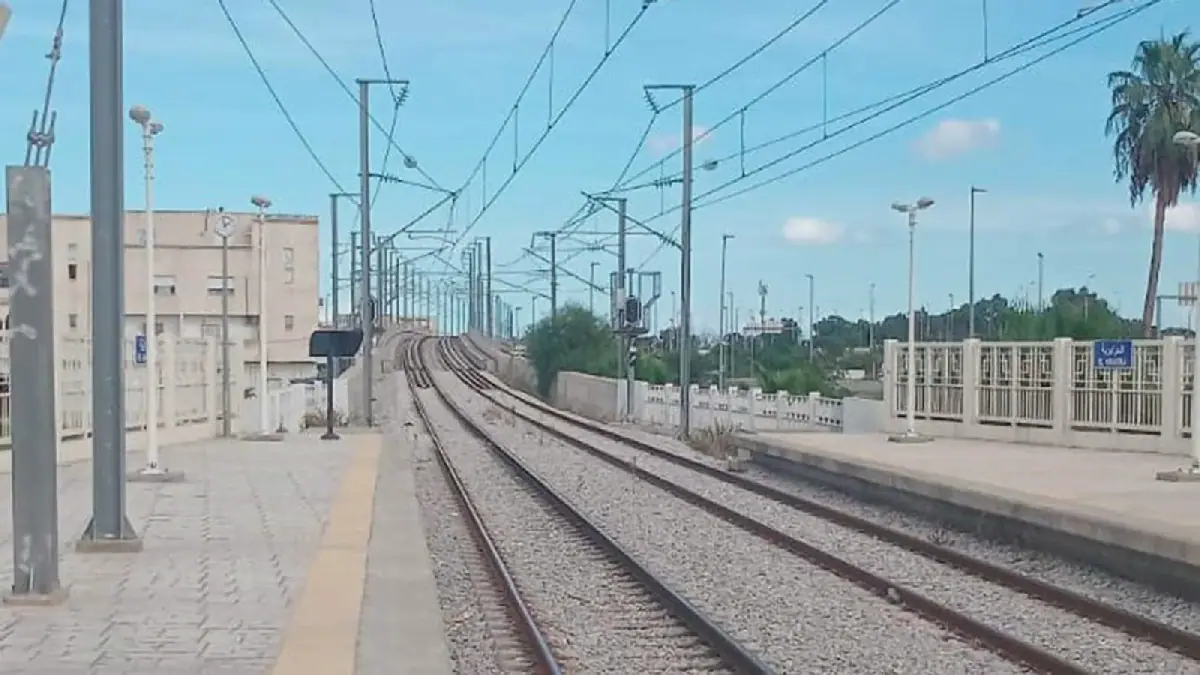
The country's rail network, which once connected most regions, has been largely neglected. The Société Nationale des Chemins de Fer Tunisiens (SNCFT) operates 2,177 km of tracks, but only 1,803 km are in use. The network's potential is hindered by outdated infrastructure, with only 232 km of double tracks and 1,571 km of single tracks. Many railway stations and gares are in a state of disrepair, and kilometers of tracks are overgrown with weeds and wild plants.
The rail sector is not limited to SNCFT, as other companies like Transtu, the Société du métro léger de Sfax, and the métro du Sahel operate in different parts of the country. The métro du Sahel, for example, connects three governorates over a 70 km stretch. However, many projects, such as the métro léger de Sfax, have stalled due to bureaucratic delays and lack of funding. The Sfax project, first proposed over a decade ago, aims to build two lines of 70 km each.
Experts attribute the slow progress of these projects to a lack of strategic vision, anticipatory approaches, and excessive administrative hurdles. The issue of financing is also a significant challenge, as large sums have been allocated to road infrastructure projects, but little to none for rail development. The recent call for tenders by SNCFT to study a high-performance North-South railway corridor is a step in the right direction, but more needs to be done to prioritize rail development.
Prioritizing rail development, even if only for a five-year plan, could have numerous benefits for Tunisians. Shifting funds allocated to road infrastructure to support rail projects could make a significant difference. Additionally, exploring alternative funding sources, such as redirecting toll fees, could help achieve the country's transportation goals. The idea of introducing a high-speed rail network, similar to the TGV, has been floated, but its feasibility and implementation remain uncertain.
The transport sector is in dire need of a strategic overhaul, with a focus on urban and railway development. By prioritizing rail and investing in modern infrastructure, Tunisia can reduce congestion, promote economic growth, and improve the quality of life for its citizens. It remains to be seen whether authorities will heed the call to reassess their priorities and allocate resources more effectively to address the country's transportation needs.
As the country looks to the future, it is essential to recognize the importance of a well-planned and efficient transportation system. With the right investments and strategic vision, Tunisia can create a modern, sustainable, and effective transportation network that benefits its citizens and supports economic growth. The ball is now in the court of policymakers to make the necessary decisions to prioritize rail development and create a better future for Tunisia.
Key points
- Critics argue that Tunisia's focus on road infrastructure projects has come at the expense of rail development, with millions of dinars spent on projects that often stall or fail to deliver.
- The country's rail network has been largely neglected, with many railway stations and tracks in a state of disrepair.
- Prioritizing rail development and investing in modern infrastructure could reduce congestion, promote economic growth, and improve the quality of life for Tunisians.