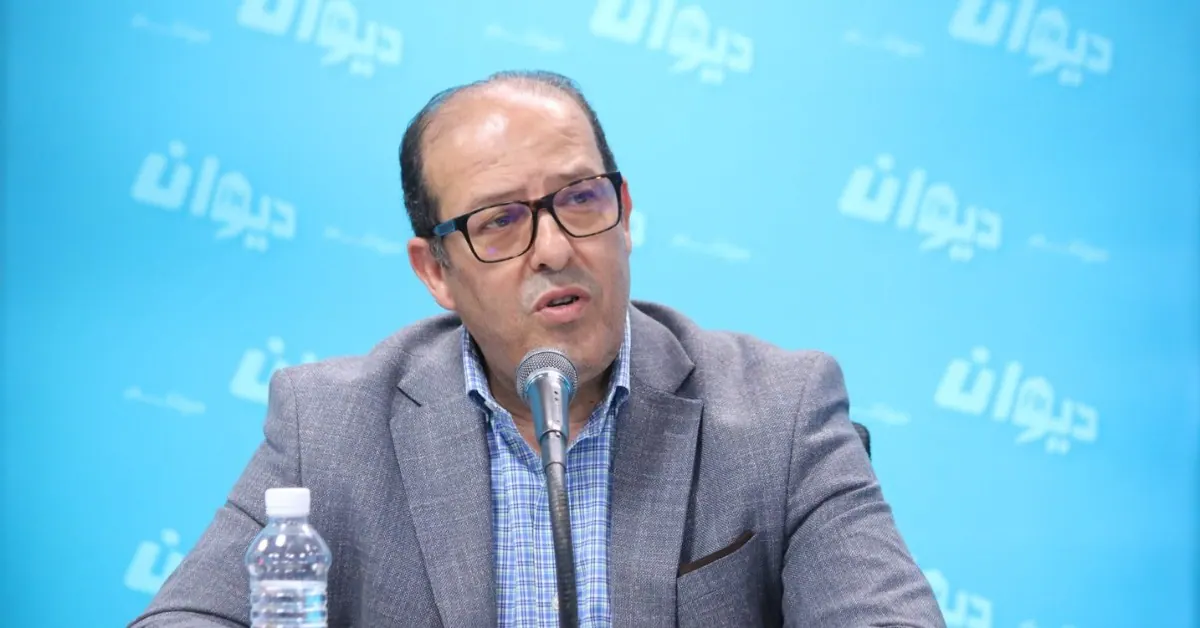
According to economist Moez Soussi, Tunisia's fuel subsidy bill is projected to reach approximately 11.2 billion dinars in 2026. This significant increase is attributed to the impact of global geopolitical tensions and rising oil prices. The government's budget for 2026 had allocated around 5 billion dinars for fuel subsidies, based on an oil price assumption of 63.3 dollars per barrel.
Soussi explained that the current oil price of 95 dollars per barrel will incur additional expenses of around 6.288 billion dinars to cover the difference. He noted that fuel prices in Tunisia have remained unchanged since 2021, and the periodic adjustment mechanism for prices has not been activated. The economist emphasized that the government has absorbed this substantial difference in costs to maintain social stability.
The government's decision to maintain fuel prices has been driven by its social commitments. Soussi pointed out that the 63.3 dollars per barrel assumption in the 2026 finance law was based on a downward trend in oil prices, which dropped from 80.8 dollars in 2024 to 69 dollars in 2025. However, the recent escalation of conflict in the Middle East has pushed oil prices above 104 dollars at times.
Soussi discussed the possibility of revising the 2026 finance law to ensure the availability of resources and adjust expenditures accordingly. He stressed that the current economic priority is to manage the state's affairs effectively and guarantee the continued supply of essential goods, given the unpredictable global situation.
The Tunisian government has been working to attract investments and create jobs. According to the Investment Authority, over 600 jobs are expected to be created from investment projects worth over 100 million dinars. This initiative aims to boost economic growth and development.
The country's economic minister recently participated in Asian Infrastructure Investment Bank meetings to discuss financing for an urban transportation project. This project is expected to improve the country's infrastructure and support economic growth.
The rising fuel subsidy bill and global economic uncertainty pose significant challenges to Tunisia's economy. The government will need to carefully manage its finances and explore strategies to mitigate the impact of these external factors on the country's economic stability.
Key points
- Tunisia's fuel subsidy bill is expected to increase by over 6 billion dinars in 2026 due to rising global oil prices.
- The government's budget for 2026 had allocated around 5 billion dinars for fuel subsidies, based on an oil price assumption of 63.3 dollars per barrel.
- The country's economic minister is exploring financing options for an urban transportation project to support economic growth.