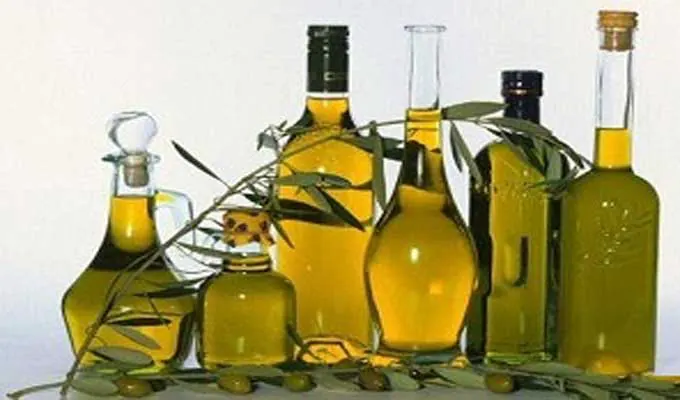
The Tunisian food balance has recorded a surplus of 983.1 million dinars for the first eight months of 2026, according to the National Institute of Statistics (INS). This represents a 43.7% increase from the same period last year, when the surplus was 684.1 million dinars. The improvement in the food balance is primarily attributed to a significant increase in olive oil exports.
Olive oil exports have been a major contributor to the surplus, with sales abroad increasing by 39.5% to 3,769.7 million dinars. The volume of olive oil exported has risen by 43% to 301.4 thousand tons, while the average price has decreased by 2.5% to 12.51 dinars per kilogram. This indicates that the increase in export earnings is largely due to the higher volume of olive oil exported, rather than a rise in prices.
However, when the contribution of olive oil exports is excluded, the food balance picture changes significantly. By subtracting the 3,769.7 million dinars in olive oil sales from the total food surplus of 983.1 million dinars, a proxy deficit of -2,786.6 million dinars emerges. This suggests that the food balance is heavily reliant on olive oil exports, and that the underlying trend is more complex.
In contrast, cereal imports continue to increase, rising by 13.2% in the first eight months of 2026. Despite a decline in import prices for certain cereals, the overall import bill has increased. The volume and composition of cereal imports are likely to be contributing factors, although precise quantification is not possible with the available data.
The reliance on olive oil exports is a concern, as it masks underlying vulnerabilities in the food balance. The INS data shows that food imports have increased by 17.1% over the same period, highlighting the need for diversification in the country's agricultural sector. The government may need to consider strategies to support other export-oriented industries and reduce dependence on a single commodity.
The olive oil sector has been a significant performer for Tunisia, with the country's producers benefiting from favorable weather conditions and global demand. However, the volatility of global commodity prices and the impact of climate change on agricultural production highlight the need for sustainable and diversified growth.
In conclusion, Tunisia's food balance surplus is largely driven by olive oil exports, which have increased significantly in volume and value. However, the underlying trend is more complex, and the country's reliance on cereal imports and vulnerability to global commodity prices remain concerns. The government and stakeholders will need to address these challenges to ensure a sustainable and diversified food sector.
Key points
- Olive oil exports account for the majority of Tunisia's food balance surplus.
- Cereal imports continue to increase, despite a decline in import prices.
- The food balance surplus is largely driven by volume growth in olive oil exports, rather than price increases.