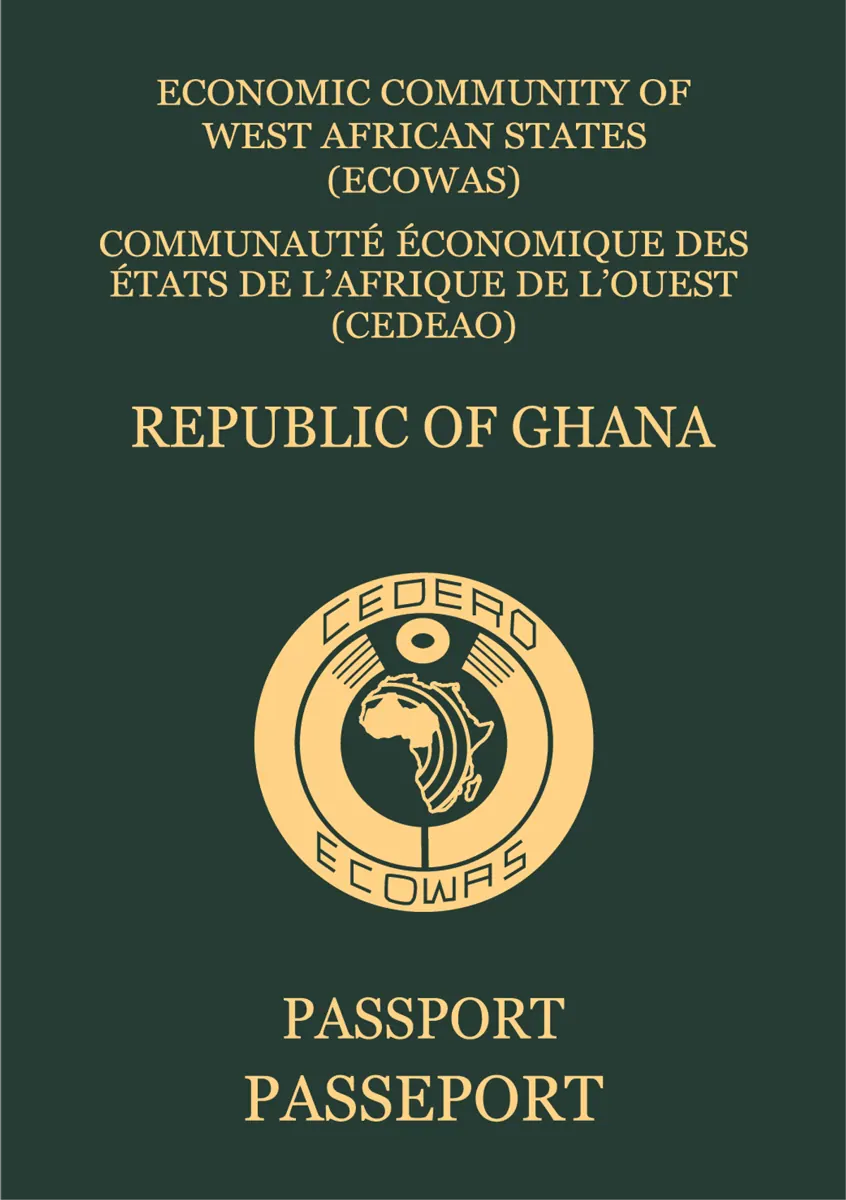
Ghana's passport has been ranked 13th among 54 African countries in terms of visa-free access to other destinations on the continent. According to the latest Passport Reports data, holders of Ghanaian passports can access 71.7 percent of destinations in Africa without obtaining a visa in advance. This ranking provides insight into the relative ease of travel for Ghanaian citizens within the African continent.
The Passport Reports data provides a comprehensive assessment of the visa requirements for passports from different countries. Ghana's ranking of 13th in Africa suggests that its passport offers relatively good access to other countries on the continent. The 71.7 percent access rate indicates that Ghanaian citizens can travel to a significant proportion of African countries without the need for prior visa arrangements.
In comparison to other countries, Ghana's passport is considered to be relatively strong. However, the report does not provide a global ranking of passports. It is worth noting that the strength of a passport can depend on various factors, including the country's diplomatic relationships, economic status, and security record.
The ranking of Ghana's passport is likely to be of interest to citizens who travel frequently, as well as to the government, which may use this information to inform its foreign policy and diplomatic efforts. The data may also be useful for businesses and investors who need to travel to different countries for work or investment purposes.
Ghana's economy has been growing steadily in recent years, and the country's passport ranking may be seen as a reflection of its increasing global influence. The government has been implementing various initiatives to strengthen the economy and improve the country's international relationships.
In other news, Ghana's government has set a target of increasing its non-oil tax-to-GDP ratio to between 18 and 20 percent by 2027. This target is part of a broader effort to broaden the tax base, improve compliance, and strengthen domestic revenue mobilisation. The target is seen as a key component of the government's strategy to promote economic growth and development.
The performance of Ghana's economy has been influenced by various factors, including the mining sector. According to recent data, producer price inflation in Ghana rose to 4.4 percent in August 2026, from 4 percent in July. The mining and quarrying sector recorded the largest contribution to the overall rate, highlighting the sector's significant impact on the economy.
Key points
- Ghana's passport ranks 13th in Africa, with visa-free access to 71.7% of destinations on the continent.
- Ghana aims to increase its non-oil tax-to-GDP ratio to 18-20% by 2027.
- Producer price inflation in Ghana rose to 4.4% in August 2026, driven by the mining sector.