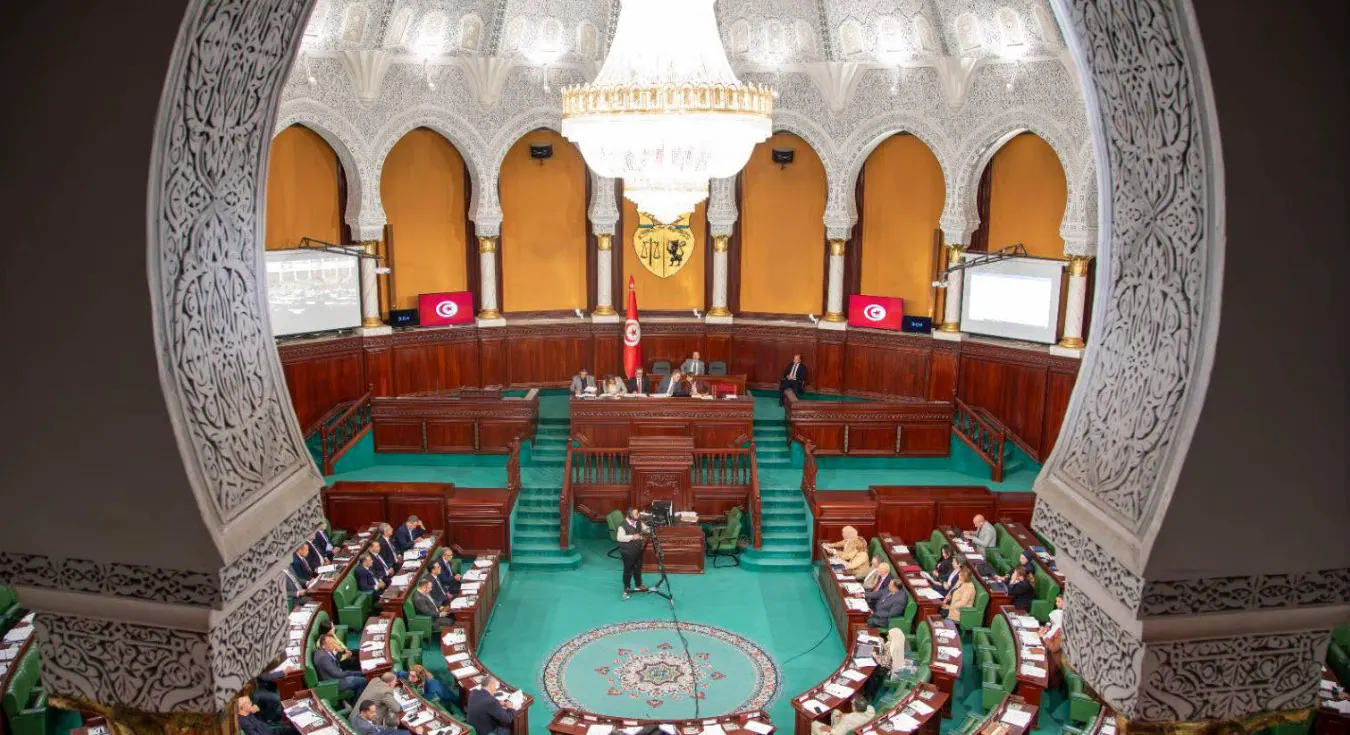
Tunisia's Finance Committee has decided to hold a hearing with Finance Minister to discuss the delay in providing reports on the state's budget implementation, particularly for the first half of 2026. The committee also aims to discuss the assumptions used to prepare the 2027 finance bill and the adherence to legal deadlines and procedures for submitting necessary documents.
The committee expressed concern over the lack of data on the state's budget implementation for the first half of 2026 and the assumptions used to prepare the 2027 finance bill. The committee's chairman, Maher Ktari, emphasized that the committee's oversight and legislative duties require access to information on budget implementation and finance bill preparation within legal deadlines.
The Finance Committee also discussed the suspension of two draft laws on closing the state's budget for 2022 and 2023 due to accounting issues. Committee members stressed the need to address this issue to ensure a clear legal framework and smooth procedures. The committee also discussed the delay in issuing regulatory texts related to the implementation of the 2026 finance law.
The committee examined the impact of rising oil prices on the state's budget assumptions and called for an assessment of its effects on budget resources, expenditures, and overall balances. Committee members urged the government to control and rationalize state expenses without increasing the tax burden on individuals and companies.
The committee also decided to hold hearings with the CEOs of the Tunisian Electricity and Gas Company and the National Company for Water Exploitation and Distribution. These hearings will focus on the country's energy situation, energy costs, and issues related to power outages and water supply disruptions.
Committee members called for realistic and well-studied assumptions in preparing the 2027 finance bill, based on available economic data and updated indicators. They also emphasized the need for early preparation and coordination of proposals to ensure their feasibility and implementation.
The Finance Committee's decisions aim to enhance its oversight and legislative roles, ensuring that the state's budget and finance bills are prepared and implemented transparently and efficiently. The committee's actions will help to address the country's economic challenges and promote sustainable development.
Key points
- The Finance Committee will discuss the delay in providing reports on the state's budget implementation and the assumptions used to prepare the 2027 finance bill.
- The committee will also examine the impact of rising oil prices on the state's budget assumptions and call for an assessment of its effects on budget resources and expenditures.
- The committee decided to hold hearings with the CEOs of the Tunisian Electricity and Gas Company and the National Company for Water Exploitation and Distribution.