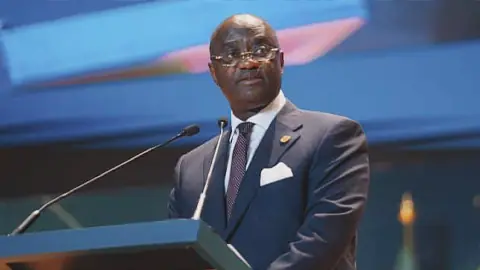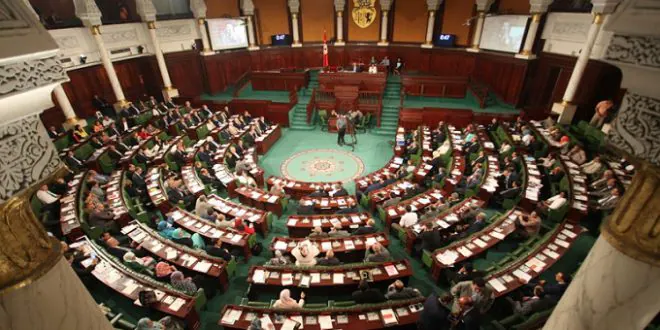
Tunisia's Finance and Budget Committee, part of the country's parliament, has started examining the overall directions of the 2027 state budget plan and the implementation of the 2026 budget. This process began on October 7, 2026, as reported by a local news source. The committee received two documents: one detailing the execution of the budget up to June 2026 and the other outlining the major orientations of the 2027 budget plan.
According to Maher Kattari, head of the Finance and Budget Committee, the committee is seeking more information on certain aspects of the budget execution. Specifically, they require details about the facilities provided by the Central Bank to the state's treasury, which amounted to 11 billion dinars. The committee also wants to understand the implications of state guarantees for public enterprises on public finances and the impact of rising oil prices on the budget.
The committee's review of the 2027 budget plan is taking place alongside the development of Tunisia's 2026-2030 development plan. This development plan aims to achieve a growth rate of around 4%. Kattari emphasized that achieving this goal requires, among other things, promoting industry, which he considers the backbone of the economy. He noted that industry's contribution to the GDP has declined from about 26% at the beginning of the current millennium to approximately 15%.
Kattari highlighted that the committee is interested in restoring industry's previous contribution to the GDP, which would help achieve the desired growth. He also pointed out that the value of the Tunisian dinar, which has been declining against foreign currencies since 2011, is another factor to consider. Restoring the dinar's value to its previous levels requires a clear vision for the medium and long terms.
The Finance and Budget Committee has invited the Minister of Finance to attend its meetings to discuss the contents of the two documents and provide her observations. This invitation is seen as an important step towards dispelling fears of a disconnect between the two authorities. Kattari stressed the importance of this exchange, which will take place before the discussion of the finance bill.
The committee's examination of the budget plan and its implementation is a critical process that will inform the country's financial decisions for the coming year. By scrutinizing the budget's execution and planning for the future, the committee aims to ensure that the country's financial resources are managed effectively and efficiently.
The 2027 budget plan is expected to be influenced by various factors, including the country's economic growth targets and its efforts to maintain the purchasing power of citizens. The committee's work will be crucial in shaping the country's financial policies and ensuring that they align with the country's development goals.
Key points
- The committee is seeking more information on the facilities provided by the Central Bank to the state's treasury.
- The 2027 budget plan aims to achieve a growth rate of around 4%.
- The committee has invited the Minister of Finance to attend its meetings to discuss the budget plan.