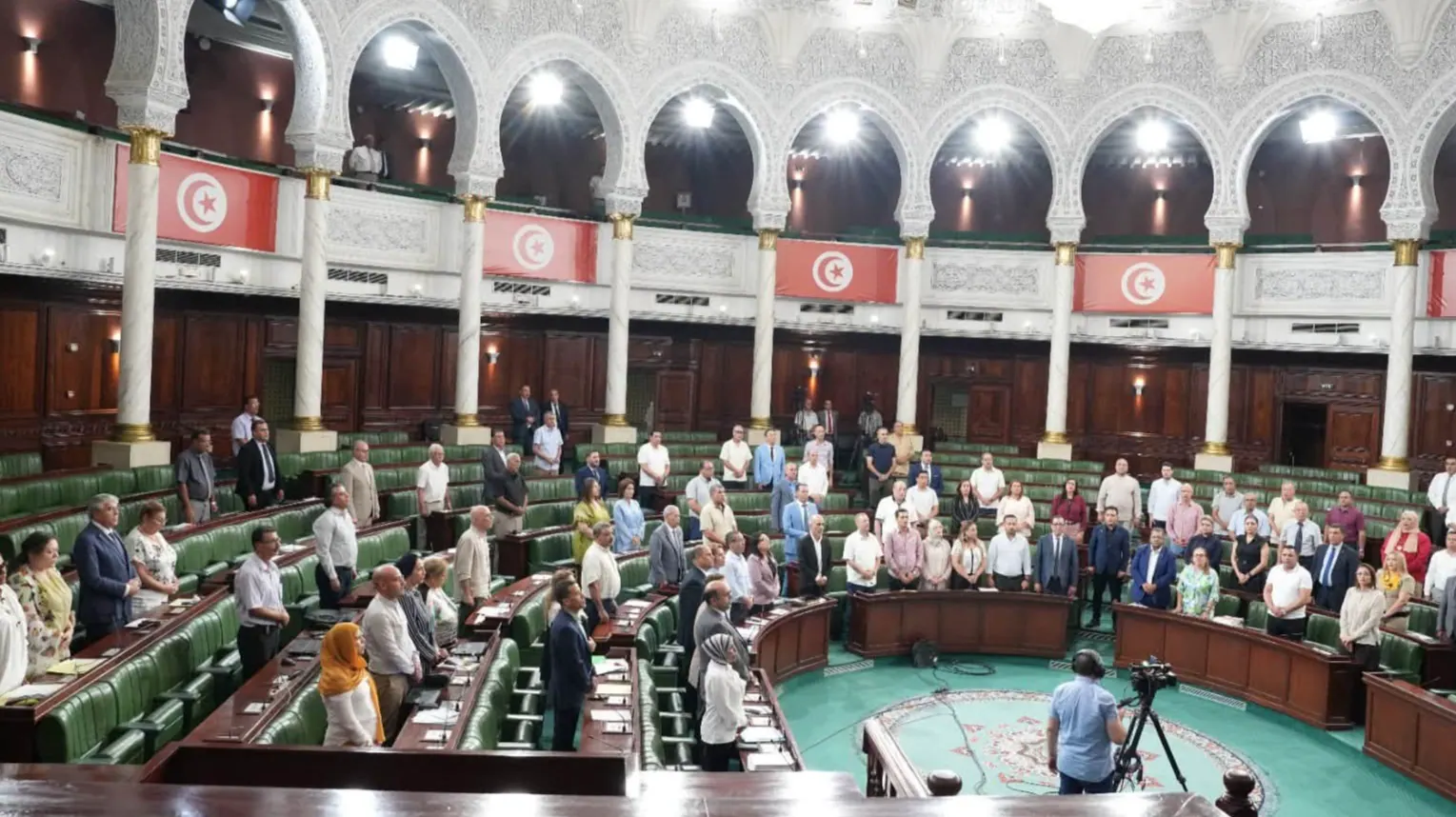
Tunisia's Finance and Budget Committee, chaired by Maher Kattari, has started reviewing the major directions of the 2027 state budget and the execution of the 2026 state budget. The committee received two documents: one on the execution of the 2026 budget up to June and the other on the key directions of the 2027 budget project.
According to Kattari, the committee's office requested additional details on the 2026 budget execution, particularly regarding the facilities provided by the Central Bank to the state's treasury, which totaled 11 billion dinars. The committee also sought information on state guarantees for public institutions' loans and the impact of rising oil prices on public finances.
The committee's review of the 2026 budget execution highlighted that not increasing gasoline prices is a positive step in preserving citizens' purchasing power. Kattari noted that the 2027 budget's key directions coincide with the 2026-2030 development plan, aiming for a 4% growth rate. Achieving this goal requires, among other things, promoting industry as the backbone of the economy.
The industry's contribution to the GDP has declined from around 26% at the beginning of the current millennium to approximately 15% currently. Kattari emphasized that restoring the industry's previous contribution levels would support achieving the desired growth. He also pointed out that the decline of the dinar against foreign currencies since 2011 is a factor to consider.
Kattari stated that restoring the dinar to its previous levels requires a clear vision in the medium and long term. The Finance and Budget Committee has invited the Minister of Finance to attend its meetings to discuss the contents of the two documents and provide her observations before debating the finance bill.
The committee's move is seen as an important step in dispelling concerns about a rift between the two authorities. Kattari highlighted that the committee is working to thoroughly examine the 2027 budget's key directions and the 2026 budget execution.
The committee's discussions will focus on the implications of the 2027 budget on the country's economic growth and financial stability. The 2027 budget's directions are expected to prioritize promoting industry and addressing the challenges posed by the decline of the dinar.
Key points
- The committee's review of the 2027 budget focuses on promoting industry to achieve a 4% growth rate.
- The committee requested additional details on the 2026 budget execution, including information on state guarantees for public institutions' loans.
- Not increasing gasoline prices is seen as a positive step in preserving citizens' purchasing power.