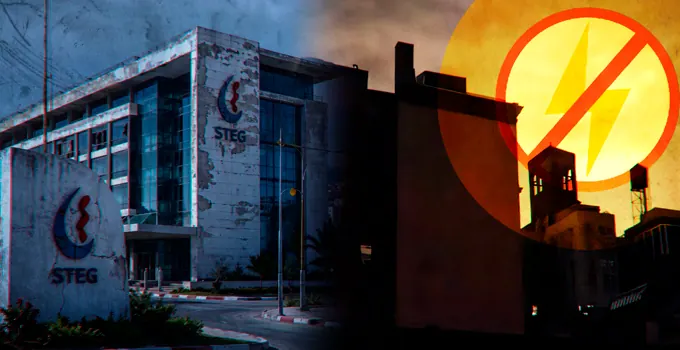
The summer of 2026 will be remembered as a particularly challenging time for Tunisians, who faced extreme heatwaves and frequent power outages. The crisis exposed deep-seated flaws in the country's energy sector and crisis management. Despite the government's claims of conspiracy, facts suggest a more nuanced reality. The electricity sector, in particular, showed signs of strain, with a significant gap between the state's forecasts and its investment plans.
The story of Chokri Bayahi, a 62-year-old man who died due to a power outage that stopped his oxygen machine, shocked the nation. His family had been struggling with repeated outages for five days, which worsened his health condition. The incident sparked outrage, and a local deputy intervened to demand that the electricity be restored. However, it was too late, and Chokri passed away. His family is determined to hold those responsible accountable for his death.
The Bayahi family's ordeal is just one of many that went unreported. The incident highlights the human cost of the energy crisis and the inability of the system to cope with the increased demand. Tunisia's energy sector has been under strain, with a significant increase in electricity demand, particularly during peak summer months. The country's power grid has struggled to keep up, leading to widespread outages.
According to data from the "Famma Dhaw?" platform, which tracks power outages, 2,665 outages were recorded in 376 regions across 24 governorates between July 22 and August 3, 2026. The outages reached their peak on July 23, with 122 regions affected simultaneously. The platform's data suggests that the situation was more severe than official reports indicated.
The Tunisian electricity and gas company, Steg, has attributed the outages to the increased demand, which reached 6,400 megawatts during peak hours, a 30% increase from usual levels. However, Steg's production capacity is estimated to be around 4,630 megawatts, leaving a significant gap. The company has resorted to load shedding to prevent a complete collapse of the grid.
Experts point to the lack of investment in the energy sector and the failure to anticipate the increased demand as key factors contributing to the crisis. Chekib Ben Mustapha, a consultant in public policies, notes that the production of electricity has not kept pace with consumption, which has been increasing annually. He also highlights the need for the government to revise tariffs and address the financial imbalance in the sector.
The crisis has also raised questions about the government's handling of the situation. The official narrative of conspiracy has been disputed by facts, and critics argue that the government's policies have exacerbated the problem. As Tunisia faces the challenges of climate change and increasing energy demands, the government must develop a comprehensive strategy to address the energy crisis and prevent similar incidents in the future.
Key points
- The Tunisian government's inability to manage the energy crisis has led to widespread suffering and criticism.
- The energy sector's deep-seated flaws, including a lack of investment and poor planning, have contributed to the crisis.
- The government's narrative of conspiracy has been disputed by facts, and critics argue that the government's policies have exacerbated the problem.