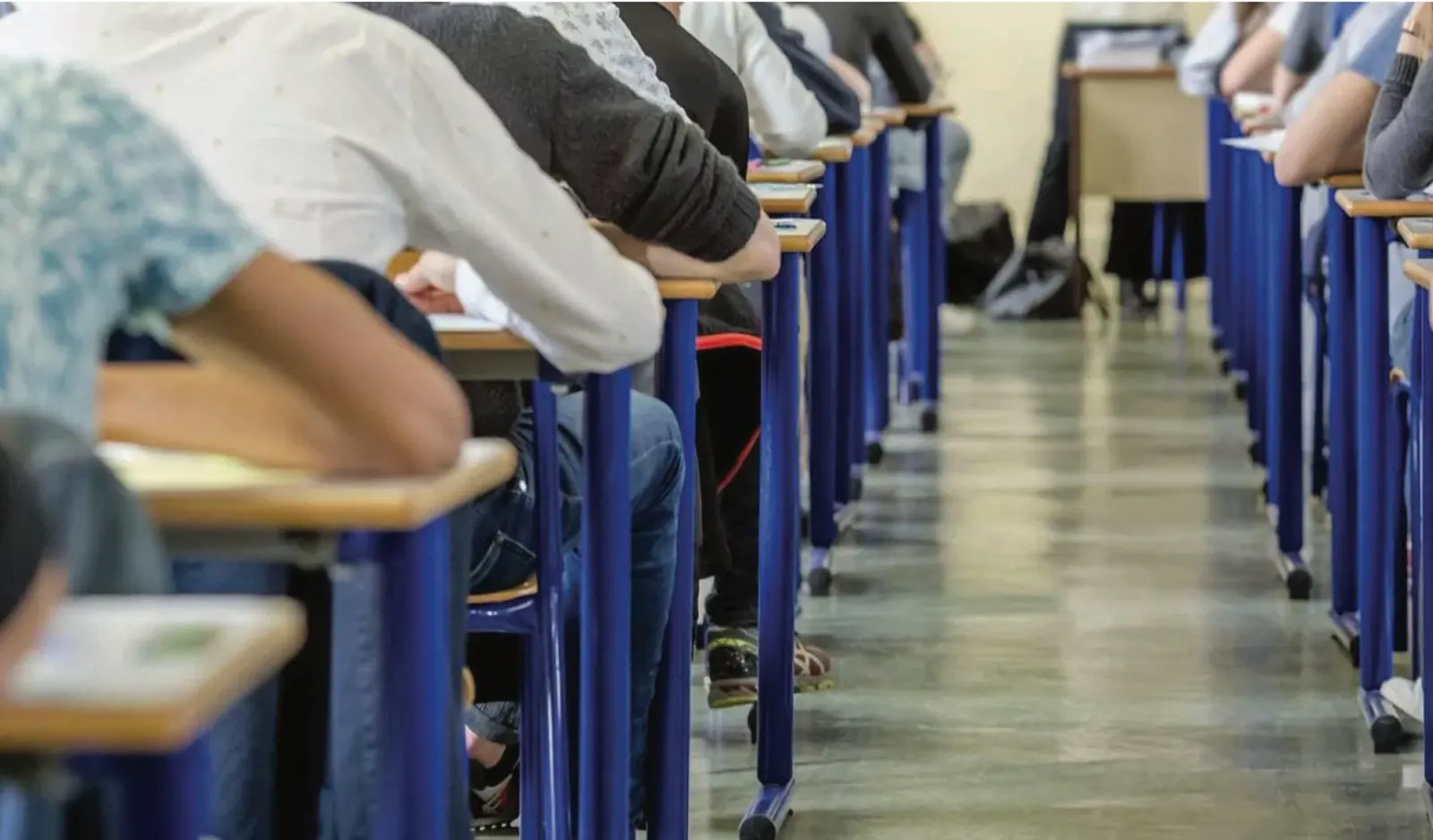
As the new school year begins in Tunisia, families are faced with a difficult decision: whether to enroll their children in a public or private school. While public schools are free and widespread, private schools have become increasingly popular due to their reputation for discipline and rigor. Despite being more expensive, private schools have seen a significant increase in enrollment, with the number of students rising from 21,500 in 2009 to 136,422 in 2025.
The growth of private schools in Tunisia has been remarkable, with the number of establishments doubling in just ten years. Today, there are over 1,400 private schools across the country, not just limited to affluent areas but also present in historically marginalized regions. However, despite this growth, private schools still only account for 10% of the total student population. The majority of students in Tunisia continue to attend public schools, which have a long history of producing the country's elite.
One of the main reasons for the popularity of private schools is the perceived better quality of education they offer. Private schools have smaller class sizes, with an average of 19 students per class in primary school and 7 in secondary school. Additionally, private schools do not have the same issues with teacher strikes, which have become a recurring problem in public schools. These factors have contributed to the attractiveness of private schools, which are seen as a safer and more reliable option for parents.
The Tunisian government has also played a role in promoting the growth of private schools. A decree issued in 2008 introduced fiscal and financial incentives to encourage private investment in education. These incentives include subsidies of up to 25% of the project cost, partial coverage of teacher salaries, and exemption from certain taxes. This support has helped to create a favorable environment for private schools to expand.
Despite the growth of private schools, public schools continue to produce the majority of Tunisia's top students. According to data from the Ministry of Education, in 2025, 41.63% of students who passed the baccalauréat exam attended public schools, compared to 13.05% who attended private schools. This trend is not unique to 2025, as similar patterns have been observed in previous years.
The divide between public and private schools in Tunisia has raised concerns about the future of the country's education system. While private schools offer a more attractive option for some families, public schools continue to play a vital role in producing the country's elite. The government's support for private schools has been seen as a way to reduce its financial burden, but critics argue that this approach may ultimately harm the quality of education in public schools.
As Tunisia continues to navigate the challenges of its education system, it remains to be seen how the country will balance the needs of its public and private schools. With the majority of students still attending public schools, it is essential that the government prioritizes investment in these institutions to ensure that they can continue to provide high-quality education to all students, regardless of their background or financial means.
Key points
- The growth of private schools in Tunisia has been driven by their reputation for discipline and rigor, as well as government incentives to encourage private investment in education.
- Despite the popularity of private schools, public schools continue to produce the majority of Tunisia's top students, with 41.63% of students who passed the baccalauréat exam in 2025 attending public schools.
- The divide between public and private schools in Tunisia has raised concerns about the future of the country's education system and the potential for unequal access to quality education.