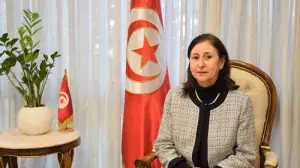
Tunisia's Prime Minister, Sarah Zahafri Zanzri, has stated that the country's economy is continuing its gradual recovery path in 2026, despite encountering significant economic and financial hurdles. These challenges are largely attributed to global economic fluctuations and rising geopolitical tensions, particularly in the Middle East. The current climate of uncertainty, slowing growth, and increasing inflationary pressures have all impacted Tunisia's economy.
The global economic landscape has presented several challenges for Tunisia, including volatile energy and raw material markets. Prices of essential goods, fuels, and basic materials have experienced sharp fluctuations. These developments have not only affected trade exchanges and supply chains but have also led to increased production, transportation, and insurance costs. Consequently, the national economy, public finances, and economic institutions have faced heightened pressures.
In addition to external factors, Tunisia's economy has also been influenced by domestic challenges. The country has faced adverse climatic and water conditions, as well as difficulties in the energy sector. The occurrence of exceptional heatwaves during the current summer has resulted in increased energy demand and added pressure on the electricity grid. These internal and external factors have cumulatively tested the resilience of Tunisia's economy.
Despite these multifaceted challenges, Prime Minister Zahafri Zanzri emphasized that Tunisia's economy has demonstrated its capacity to withstand both internal and external pressures. The country has continued on its path of gradual recovery, witnessing a resurgence in economic activity in 2026. This resilience underscores the economy's ability to navigate complex global and domestic conditions.
The implementation of the 2026 budget has been particularly affected by these global and domestic dynamics. The budget's execution has had to contend with a rapidly changing international environment, marked by protectionist trade tensions that threaten international economic cooperation. These factors have influenced Tunisia's economic outlook and fiscal planning.
The government's ongoing efforts to mitigate these challenges and sustain economic recovery are critical. The focus on navigating the complexities of the global economy while addressing domestic issues will be essential for Tunisia's continued economic stability. The Prime Minister's assessment highlights the need for vigilance and strategic planning in the face of an uncertain global economic environment.
Moving forward, Tunisia's economic trajectory will likely be shaped by its ability to adapt to both global trends and internal challenges. The government's strategies will play a crucial role in determining the country's economic prospects. Key to this will be managing the impacts of external shocks while fostering a stable and conducive environment for economic growth.
Key points
- Tunisia's economy is continuing its gradual recovery in 2026 despite facing significant global and domestic challenges.