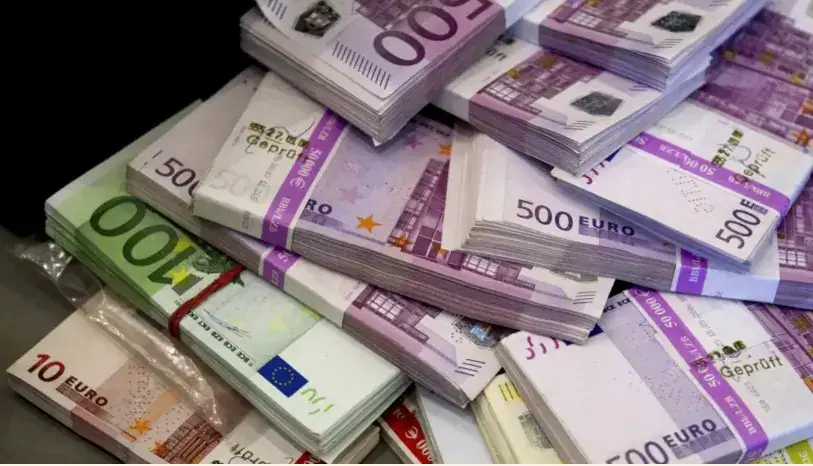
The "Tunisia Economic Stimulus" line, supported by the European Union and the European Investment Bank, has provided €59.67 million (approximately 199 million dinars) to 457 Tunisian businesses across 23 governorates out of 24. This represents 56.4% of the total available funding, with 581 applications received. The stimulus line has a total budget of €170 million (approximately 566 million dinars).
Small and medium-sized enterprises account for 89.45% of the granted funding, with 250 businesses (54.7% of the total) located in regional development areas. The industrial sector received the largest share of funding at 33.3%, followed by healthcare at 13.5%, and energy at 12%. The funding also prioritizes youth, women, and businesses in priority regions, with 56.5% of the total funding benefiting these groups.
The economic stimulus line, managed by the Central Bank of Tunisia in collaboration with six partner financial institutions, aims to facilitate access to medium- and long-term funding for small and medium-sized enterprises at preferential conditions. This will enable them to carry out investment projects, financial leasing operations, or cover working capital needs.
The initiative is supported by the European Union under the "Team Europe" program, combining long-term funding, investment portfolio guarantees, and technical assistance. Businesses can also benefit from investment grants of up to 10% of the funding obtained, capped at €50,000, under the "Rouafed+" program implemented by Expertise France.
The funding is still available to Tunisian businesses looking to invest or develop their activities. Interested businesses can find more information on the eligibility criteria on the Central Bank of Tunisia's website. Minister of Economy and Planning Samir Abdel Hafiz emphasized the importance of this line in supporting the private sector, particularly small and medium-sized enterprises.
EU cooperation plays a significant role in facilitating access to funding for Tunisian businesses. Emmanuel Amaral, head of cooperation at the EU mission in Tunisia, highlighted the partnership's contribution to stimulating productive investment, enhancing business competitiveness, and creating sustainable jobs. The initiative prioritizes youth, women, and regions with high development needs.
The European Investment Bank's Richard Amour considered the initial results of the stimulus line encouraging, expressing hope for accelerating the mobilization of available funding and converting it into impactful investments for businesses, employment, and regions. The stimulus line supports Tunisia's national development strategy and 2026-2030 development plan.
Key points
- The "Tunisia Economic Stimulus" line provides €59.67 million to 457 businesses across 23 governorates.
- Small and medium-sized enterprises account for 89.45% of the granted funding.
- The stimulus line supports Tunisia's national development strategy and 2026-2030 development plan.