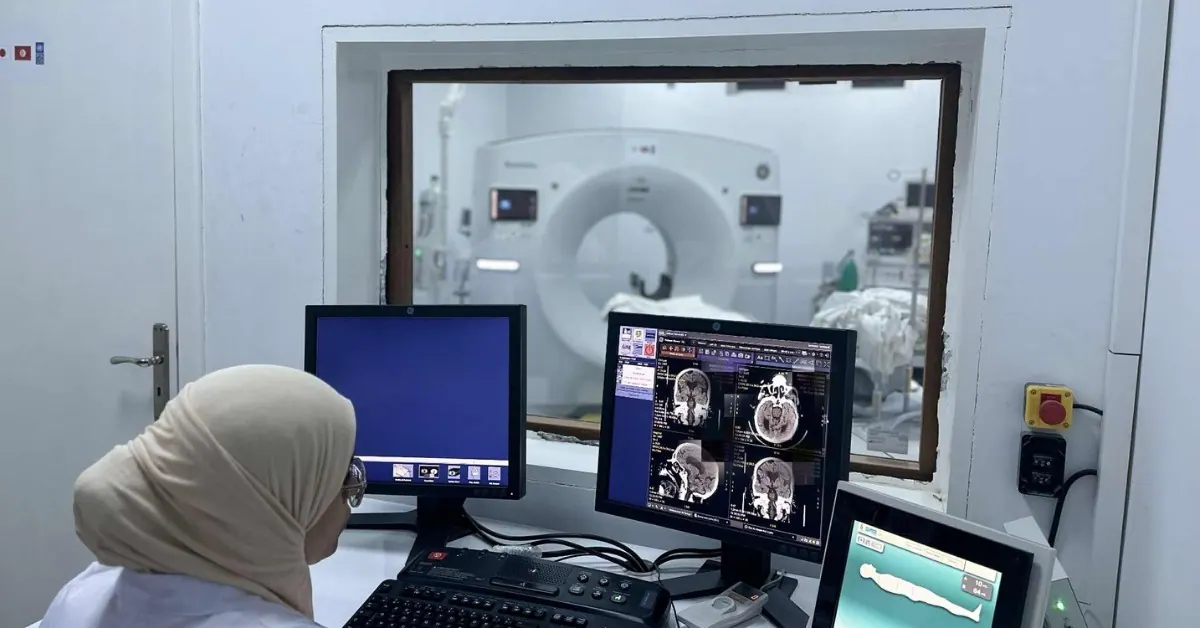
Tunisia's Digital Hospital, under the Ministry of Health, has successfully conducted over 100,000 remote medical imaging exams across 32 hospitals nationwide in its first year of operation. These exams include X-rays, CT scans, and MRI scans, available 24/7, and cover emergency cases and scheduled appointments. The hospital's remote medical imaging department, led by Dr. Seif Eddine Boukriba, provides these services to improve healthcare access, particularly in remote areas.
The remote medical imaging services have significantly reduced waiting times for patients. Reports for emergency cases are delivered within minutes to a few hours, while routine exams are now scheduled in under 7 days, and in some hospitals, on the same day. This acceleration aims to enhance patient care, especially for those in internal regions. By reducing waiting times, the hospital improves the overall efficiency of healthcare services.
Dr. Boukriba announced the launch of new projects to expand remote medical imaging services. One project focuses on remote breast imaging for early breast cancer detection in women in remote areas. Another project aims to facilitate early diagnosis of cerebral strokes through collaboration between emergency doctors, radiologists, and neurologists. These initiatives demonstrate Tunisia's commitment to leveraging technology to enhance healthcare.
The Digital Hospital continues to develop its telemedicine services beyond medical imaging. The hospital is working to extend these services to other medical specialties, increasing access to specialized care for patients in various regions. New medical equipment is being installed in several areas to support this expansion.
The Ministry of Health's efforts to integrate technology into healthcare are part of a broader strategy to improve healthcare services. By investing in digital health technologies, Tunisia aims to bridge the gap in healthcare access between urban and rural areas. This approach enables more patients to receive timely and effective medical care.
The International Conference on Digital Health in Tunisia provided a platform for stakeholders to discuss the future of digital health in the country. The conference explored opportunities for partnerships and agreements to further develop Tunisia's digital health ecosystem. Such collaborations are expected to drive innovation and improve healthcare outcomes.
Tunisia's Digital Hospital has made significant strides in its first year, with over 100,000 remote medical imaging exams completed. The hospital's expansion of telemedicine services and new projects demonstrate its commitment to enhancing healthcare access and quality. As the country continues to invest in digital health technologies, patients are likely to benefit from improved healthcare services.
Key points
- Tunisia's Digital Hospital has completed 100,000 remote medical imaging exams across 32 hospitals in its first year.
- The hospital's services have reduced waiting times for patients, with emergency reports delivered within minutes to hours.
- New projects focus on remote breast imaging and early diagnosis of cerebral strokes.