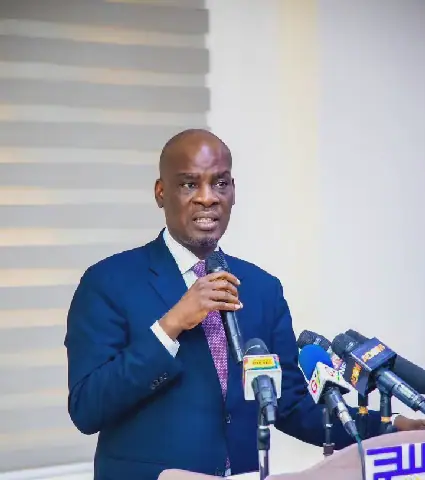
The 'DIEM' project, which stands for Developing Inclusive and Sustainable Education in the Mediterranean, was launched in October 2025 and will run until September 2028. The project is funded by the European Union under the Interreg NEXT MED program and involves partners from several countries in the Mediterranean region, including Tunisia, Spain, Italy, Germany, Jordan, Palestine, and Egypt. The project's goal is to support the cultural heritage sector by developing training programs and expertise.
The project's first phase involved a study on the current state of education and training in the cultural heritage sector in Tunisia. The study aimed to identify the gaps between the current education system and international standards, as well as determine the skills and competencies required for professionals in the sector. The study's findings were used to develop a training program that targets three main groups: leaders in the cultural heritage sector, holders of advanced degrees in related fields, and local communities.
The training program consists of three main levels. The first level targets leaders in the cultural heritage sector, including site managers, museum curators, and university professors. The program aims to develop their skills and make them more compatible with international standards. The second level targets holders of advanced degrees in related fields, with the goal of enhancing their employability and enabling them to acquire additional skills. The third level targets local communities, who play a crucial role in managing and preserving cultural heritage.
The project's coordinator, Bouthaina Gharghi, emphasized the importance of involving local communities in the management and preservation of cultural heritage. She noted that the project's goal is not only to provide training but also to ensure the sustainability of the results and outputs. The project has already selected 30 trainees who will participate in the first training program, which is set to begin on October 6.
The training program will be led by experts and trainers from participating countries, providing participants with a unique opportunity to learn from diverse experiences in the field of cultural heritage management. The program's focus on sustainability and community involvement aims to ensure that the results and outputs of the project are long-lasting and beneficial to the sector.
Fatma Nait Irel, a researcher at the National Heritage Institute, highlighted the importance of the 'DIEM' project in addressing the challenges facing the cultural heritage sector in Tunisia. She noted that the sector is facing a shortage of skilled professionals, particularly in areas such as restoration and conservation. The project aims to address this shortage by providing training and expertise to a new generation of professionals.
The 'DIEM' project is expected to contribute to the development of Tunisia's cultural heritage sector and promote sustainable tourism. The project's focus on community involvement and capacity building aims to ensure that the results and outputs are long-lasting and beneficial to the sector. The project's partners hope that the 'DIEM' project will serve as a model for future initiatives in the region.
Key points
- The 'DIEM' project aims to develop training programs and expertise in the cultural heritage sector in Tunisia.
- The project targets three main groups: leaders in the cultural heritage sector, holders of advanced degrees in related fields, and local communities.
- The project's goal is to support the cultural heritage sector by developing training programs and expertise, with a focus on sustainability and community involvement.