Tunisia's transportation sector is a vital component of the country's economy, with commercial seaports playing a crucial role in facilitating foreign trade. According to Minister of Transport Rashid Ammari, these ports handle 98% of Tunisia's external trade, equivalent to approximately 30 million tons of goods per year. The country's coastline is dotted with 7 commercial seaports, which are strategically important for the nation's economic development.
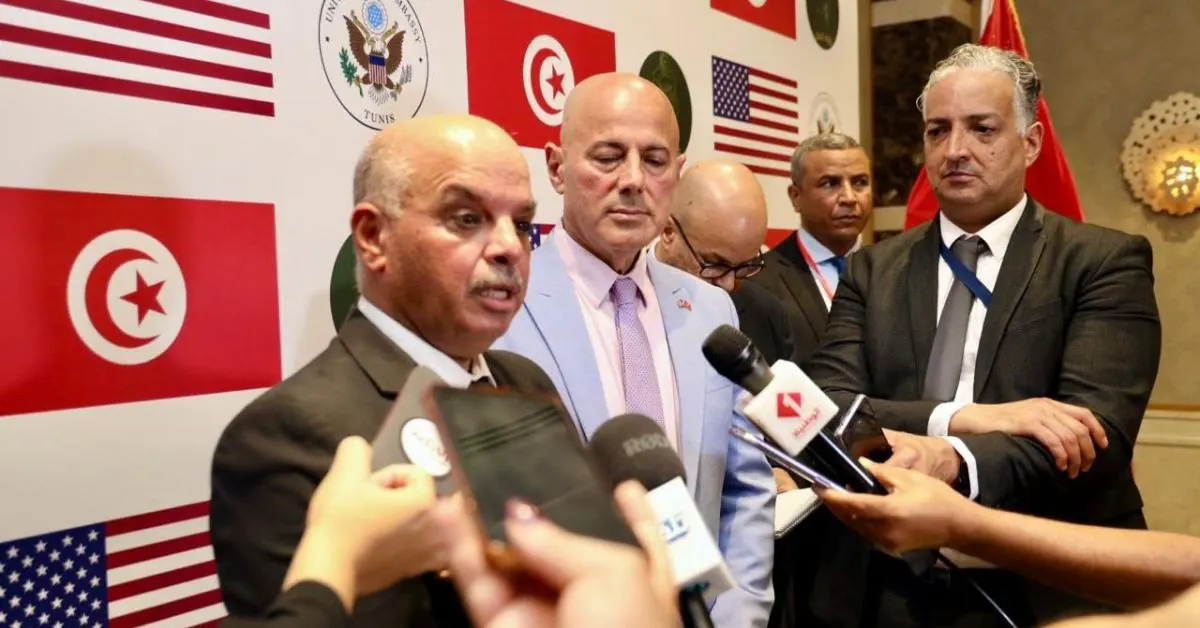
Minister Ammari made these remarks at the opening of a workshop on "Port Days," held in collaboration with the US Embassy in Tunis on September 22-23, 2026. The event aims to promote international cooperation and investment in the maritime transport sector. Ammari emphasized the importance of strengthening partnerships with foreign countries, particularly the United States, to leverage expertise and best practices in port management and development.
The Tunisian government prioritizes the development of the maritime transport sector, recognizing its critical role in driving sustainable economic growth and integrating the country into the global economy. The sector has witnessed significant improvements and investment in recent years, with a focus on meeting international standards set by the International Maritime Organization. Ammari highlighted the need for continued investment in infrastructure, technology, and human resources to enhance the sector's competitiveness.
A key component of Tunisia's port development strategy is the creation of a logistics hub in the country. The government aims to establish Tunisia as a regional logistics hub in the Mediterranean, with a focus on connecting ports to rail and road networks. This initiative involves the development of a 2000-hectare logistics zone, which will provide a range of services and facilities for businesses. The goal is to make Tunisia a gateway to the African continent and a major player in regional trade.
To achieve these objectives, the Tunisian government is investing in modernizing the national shipping fleet. This involves refurbishing existing vessels and acquiring new ships that meet international standards for clean shipping, also known as "green shipping." The government is also working to improve the efficiency of the logistics system, with a focus on developing the necessary legal and institutional frameworks to support the growth of the sector.
The maritime transport sector is undergoing rapid changes, driven by technological advancements and shifts in global trade patterns. Minister Ammari noted that these changes present both opportunities and challenges for Tunisia's ports, which must adapt to remain competitive. Key priorities include promoting sustainable development, accelerating digitalization, and enhancing security and resilience in the face of emerging risks.
As Tunisia continues to develop its maritime transport sector, the government is focused on building partnerships with international partners and leveraging expertise to drive growth and investment. The country's goal is to create a world-class logistics system that supports the development of the national economy and enhances Tunisia's position as a major player in regional trade. With a focus on innovation, sustainability, and cooperation, Tunisia is poised to take advantage of emerging opportunities in the maritime transport sector.
Key points
- Tunisia's commercial seaports handle 98% of the country's foreign trade, with 7 ports along the coast processing around 30 million tons of goods annually.